Automated Sales Funnel Mastery
Understanding Sales Funnels
What Is a Sales Funnel?
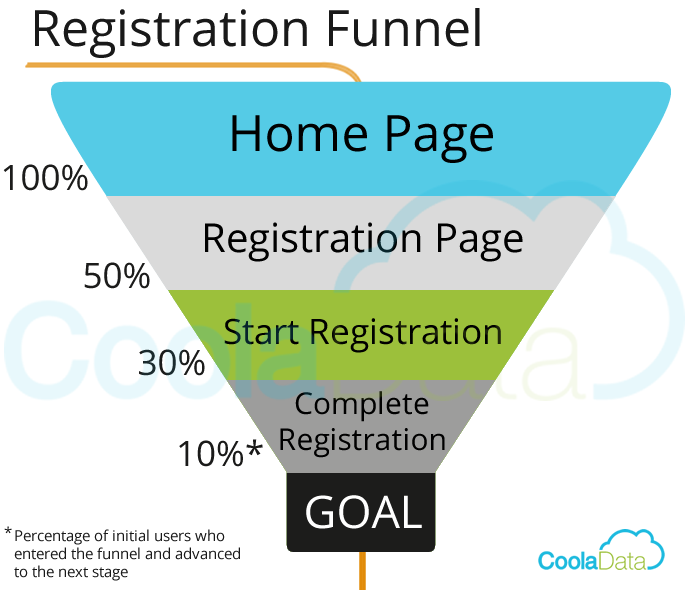
A sales funnel is a model that shows the path a potential customer takes on their way to making a purchase. Think of it like a real-world funnel. At the top, you have a wide opening where many people can enter. As they move down, the funnel narrows, and only the most interested people make it to the bottom to become customers.
A sales funnel is a visual representation of the customer journey, outlining the steps prospects take from initial awareness to final conversion.
This model helps businesses understand and visualize the sales process from the customer's perspective. By breaking down the journey into distinct stages, a company can see where they're succeeding and where potential customers are dropping off. It's a map that guides marketing and sales efforts to be more effective.
The Four Stages of a Funnel
A standard sales funnel has four main stages. Each one represents a different mindset the customer is in and requires a different approach from the business.
1. Awareness This is the top of the funnel. At this stage, potential customers have just become aware of a problem they have and are also discovering your business as a potential solution. They might find you through a blog post, a social media ad, or a Google search. The goal here is to attract attention and make a good first impression, not to make a hard sell.
2. Interest Once someone enters the funnel, they move into the interest stage. Here, they are actively researching and comparing different solutions to their problem. They're trying to figure out which option is best for them. Your business's job is to provide helpful information that builds trust and positions you as an expert. This could be through detailed product pages, case studies, or helpful guides.
3. Decision At this point, the potential customer is ready to buy. They've narrowed down their options and are likely comparing your offer against a few competitors. They might be looking at pricing, features, and customer reviews. The goal is to give them that final nudge with a compelling offer, like a free trial, a discount code, or a live demo.
4. Action This is the bottom of the funnel, where the magic happens. The prospect decides to become a customer and takes action, such as clicking the "buy now" button or signing a contract. But the funnel doesn't necessarily end here. The action stage also includes retaining that customer and turning them into a loyal fan of your brand.
Why Funnels Matter
Sales funnels are important because they provide a clear framework for marketing. Instead of guessing what customers want, you can create specific messages and content for people at each stage of their journey. This targeted approach leads to better communication and stronger relationships.
By understanding the funnel, a business can pinpoint where they are losing customers and focus on fixing that specific stage.
This process directly impacts conversion rates. A conversion happens when a person completes a desired action, like making a purchase or signing up for a newsletter. By guiding people smoothly through each stage and addressing their needs, you increase the likelihood that they'll reach the final action stage. More people making it to the bottom of the funnel means a higher conversion rate and more business.
conversion rate
noun
The percentage of users or potential customers who take a desired action, such as making a purchase or filling out a form.
Ultimately, a well-managed sales funnel helps a business spend its marketing budget more wisely. Instead of casting a wide, expensive net, you can focus resources on the strategies that work best for moving people from one stage to the next.
Ready to check your understanding?
What is the primary purpose of a sales funnel?
A potential customer is actively researching and comparing your product against several competitors. Which stage of the sales funnel are they in?
By breaking down the customer journey into these clear stages, businesses can turn strangers into customers in a structured and repeatable way.