Automated Sales Funnel Design
Understanding Sales Funnels
What Is a Sales Funnel?
Think of a physical funnel, wide at the top and narrow at the bottom. A sales funnel works the same way. At the top, you have many people who might be interested in what you're selling. As they move down, some people drop off, and only the most interested prospects make it to the bottom to become customers.
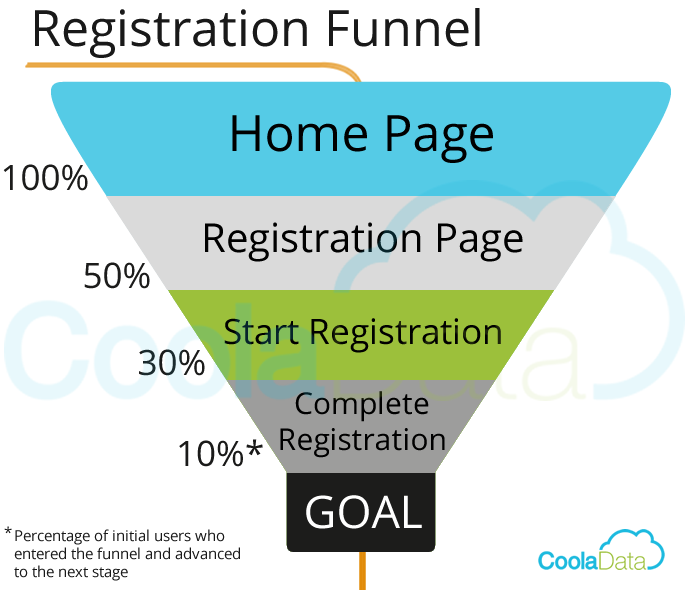
A sales funnel is a visual representation of the customer journey, outlining the steps prospects take from initial awareness to final conversion.
This process isn't random. It's a structured path designed to guide potential customers from their first interaction with your brand to the final purchase. Each step is a micro-commitment, bringing them closer to a decision. By understanding this journey, businesses can better meet the needs of their potential customers at every stage.
The Four Stages of the Funnel
A classic sales funnel has four distinct stages. This model helps businesses understand what a potential customer is thinking and what they need to see next. Let's walk through them.
This diagram shows the journey from top to bottom.
Stage 1: Awareness This is the very top of the funnel. A person has a problem and becomes aware that you might have a solution. They might find you through a social media post, a blog article that ranks on Google, an online ad, or by hearing a friend mention your company. At this stage, the goal isn't to make a sale, but simply to get on their radar.
Stage 2: Interest Once someone is aware of you, they enter the interest stage. They're now actively researching to see if your product or service is a good fit. They might sign up for your newsletter, download a guide, or follow you on social media. They are looking for more information, and your job is to provide it in a helpful, non-pushy way. This is where you build trust.
Stage 3: Decision The prospect is now convinced they want to make a purchase. The question is, from whom? They are comparing your offer to your competitors'. They might be looking at pricing pages, reading customer reviews, or watching a product demonstration. This is your chance to show them why you're the best choice with compelling offers, case studies, or free trials.
Stage 4: Action This is the final step, the narrowest part of the funnel. The customer is ready to buy. They add your product to their cart and pull out their credit card. Your goal here is to make this process as easy and seamless as possible. A complicated checkout process can cause people to abandon their purchase at the very last moment.
Why It Matters
A sales funnel provides a framework for understanding your customers. It helps you see the world from their perspective. By mapping out this journey, you can identify areas where you're losing potential customers and figure out how to improve.
For example, if you see that many people visit your website but few sign up for your newsletter, you might need to make your sign-up offer more compelling. If many add a product to their cart but don't complete the purchase, perhaps your shipping costs are too high or the checkout form is too long.
A well-structured funnel helps ensure you're sending the right message to the right person at the right time. This not only increases sales but also builds stronger, more loyal customer relationships.
What is the primary purpose of a sales funnel in a business context?
A company notices that many visitors add items to their online shopping cart but never complete the purchase. In the context of a sales funnel, what does this problem represent?
Understanding the sales funnel is the first step toward creating a predictable and scalable way to grow a business.