Automated Inventory Tracking with Computer Vision
Introduction to Computer Vision
Giving Computers the Gift of Sight
Humans use their eyes and brains to make sense of the world. We can instantly recognize a friend in a crowd, read a street sign, or tell the difference between a cat and a dog. Computer vision is the field of science that tries to teach computers to do the same thing: to see, process, and understand visual information from images and videos.
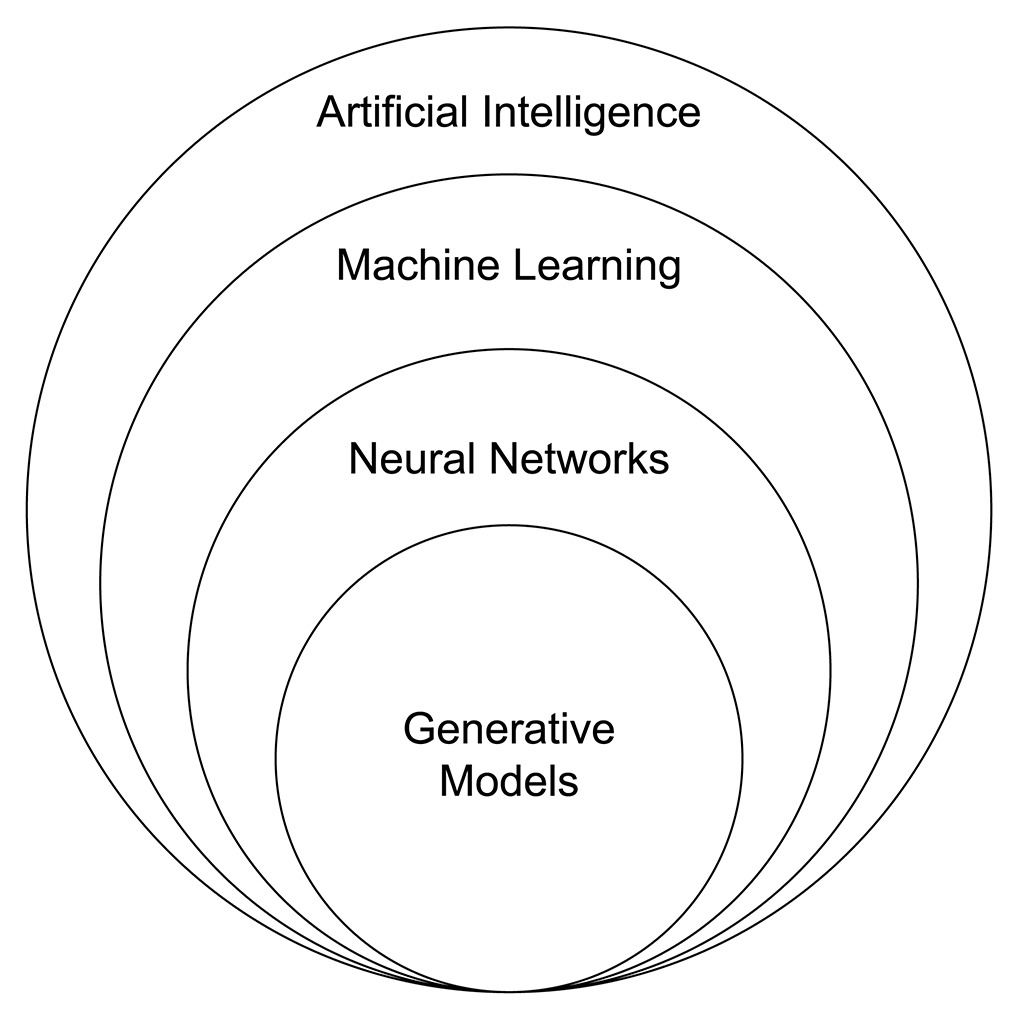
Computer vision is the field of computer science that focuses on creating digital systems that can process, analyze, and make sense of visual data (images or videos) like humans do.
It’s a branch of artificial intelligence that lets machines identify objects, people, and places. Instead of just storing an image as a grid of colored pixels, a computer vision system can interpret it, extracting meaningful information.
A Brief History
The idea isn't new. The first experiments in computer vision happened back in the 1960s. Early projects focused on simple tasks, like detecting the edges of an object in a clean, simple image. Computers were slow, and the algorithms were basic. For decades, progress was steady but limited to specific, controlled environments.
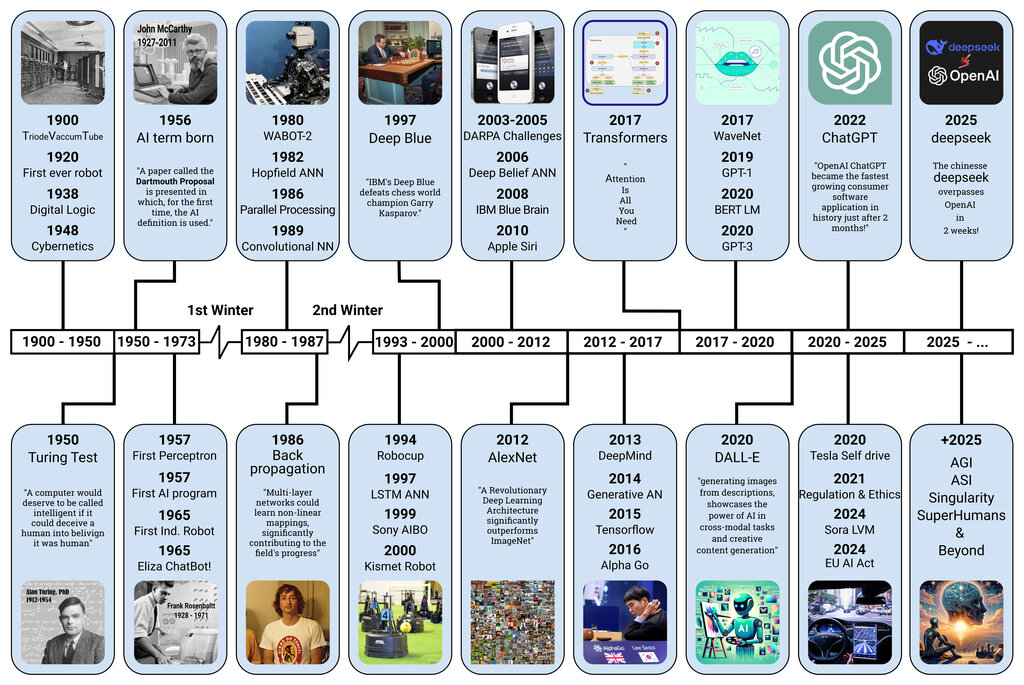
Everything changed with the rise of two key technologies: big data and machine learning. Suddenly, researchers had access to massive libraries of images to train their systems. At the same time, powerful new computers and clever machine learning algorithms allowed systems to learn patterns from that data on their own. This leap forward is why computer vision is now a part of our daily lives, from unlocking our phones with our faces to self-driving cars navigating busy streets.
How It Works
At its core, computer vision works by recognizing patterns. While the underlying math can be complex, the process generally follows a few key steps. It starts with an image, which is fed into the system as raw data. From there, the computer has to make sense of it.
- Image Acquisition: This is the starting point, where a camera or sensor captures an image.
- Pre-processing: The system cleans up the image to make it easier to analyze. This might involve adjusting brightness, removing noise, or sharpening details.
- Feature Extraction: The computer identifies interesting parts of the image, like edges, corners, colors, or textures. These are the key features that help it understand what it's looking at.
- Analysis and Interpretation: This is where machine learning comes in. The system uses a trained model to classify objects, detect patterns, or make a decision based on the extracted features. For example, it might conclude, "These features match the pattern of a stop sign."
The magic of modern computer vision is its ability to learn. By analyzing millions of labeled images, a machine learning model can teach itself to recognize objects with incredible accuracy.
Applications Across Industries
Computer vision isn't just a lab experiment; it's already transforming industries.
- Healthcare: It helps doctors analyze medical scans like X-rays and MRIs to spot tumors or other abnormalities earlier and more accurately.
- Automotive: Self-driving cars use a suite of cameras and sensors to see the road, detect pedestrians, read traffic signs, and stay in their lane.
- Retail: Stores can use cameras to monitor shelves, automatically detecting when a product is out of stock. This helps keep inventory accurate and customers happy.
- Manufacturing: On an assembly line, computer vision systems can perform quality control, instantly spotting tiny defects in products that a human might miss.
- Agriculture: Drones equipped with cameras can fly over fields to monitor crop health, identify pests, and help farmers manage their resources more effectively.
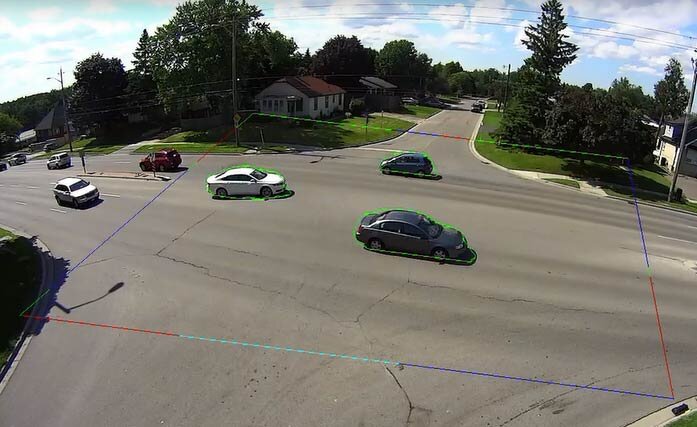
As the technology continues to improve, computer vision will find even more ways to help us work smarter and live safer.
Let's check your understanding of these core concepts.
What is the primary goal of computer vision?
According to the text, what two technological advancements were key to the recent rapid progress in computer vision?
Understanding these fundamentals provides a solid base for exploring how computer vision can be applied to specific challenges, like tracking inventory.