Automate Your Social Media Sales
Introduction to Social Media Platforms
Choosing Your Stage
Think of social media platforms as different stages. A performance that gets a standing ovation on one stage might get crickets on another. The key isn't to be on every platform, but to be on the right platforms, where the people you want to reach are already hanging out.
Choose the right social media platform(s) is critical for success.
Each platform has its own culture, its own language, and its own audience. Understanding these differences is the first step to building a meaningful presence. Before you can think about promoting a service, you need to know where your potential customers spend their time and what kind of content they expect to see there.
Meet the Platforms
Let's break down some of the major social media platforms. While there are many out there, these are the heavyweights, each with a distinct personality and user base.
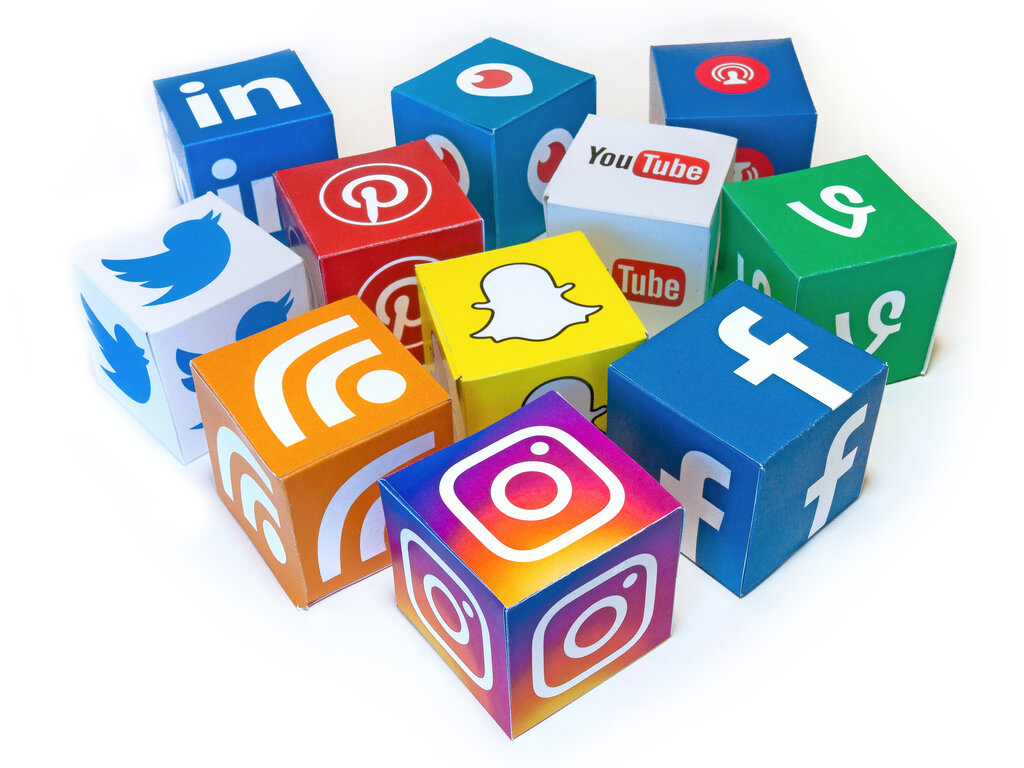
| Platform | Primary Audience | Best Content | Vibe |
|---|---|---|---|
| Broad (Gen X & Millennials) | Community posts, videos, ads | The Town Square | |
| Broad (Millennials & Gen Z) | High-quality photos, Reels, Stories | The Art Gallery | |
| X (Twitter) | News junkies, professionals | Short updates, news, conversations | The News Ticker |
| Professionals, B2B | Articles, career news, industry insights | The Business Conference | |
| Planners, hobbyists (female-dominated) | How-to guides, infographics, inspiration | The Vision Board | |
| TikTok | Gen Z & young Millennials | Short-form, entertaining videos | The Talent Show |
This table is just a starting point. Demographics are always shifting, and platforms are constantly evolving their features. The core identity of each platform, however, tends to remain stable.
Content and Context
A one-size-fits-all approach to social media content is a recipe for wasted effort. What resonates with a professional audience on LinkedIn will likely feel out of place in the fast-paced, trend-driven world of TikTok. The same message needs to be packaged differently for each platform.
For example, to promote a graphic design service, you might post a case study on LinkedIn, a portfolio of beautiful images on Instagram, a step-by-step design tutorial on Pinterest, and a quick video showing a time-lapse of your work on TikTok.
This is the essence of a cross-platform strategy. You're not just copying and pasting; you're translating your message for the native language of each social network. This respects the platform's culture and the expectations of its users, making your content feel more authentic and engaging.
A real cross-platform strategy maximizes your content’s reach and impact while respecting each platform’s unique culture and audience.
Engagement Is a Conversation
Posting content is only half the battle. Social media is, by definition, social. Engagement is what turns a monologue into a dialogue and builds a real connection with your audience.
How you engage also varies by platform. On LinkedIn, you might join in on professional discussions. On X (Twitter), you'd participate in trending conversations with witty replies. On Instagram, engagement can be as simple as responding to comments and direct messages, or sharing user-generated content in your Stories.
The goal is to be a part of the community, not just a broadcaster shouting into the void. Listen to what people are saying, answer their questions, and participate in the culture of the platform. This builds trust and shows that there's a real person behind the profile.
Before we test your knowledge, let's review the key platforms.
Now, let's see what you've learned about choosing the right platform for the job.
What is the most crucial first step when developing a social media strategy for a business?
A 'cross-platform strategy' means you are just copying and pasting the same message onto different social networks.
Understanding the landscape is the foundation. By knowing who uses each platform and why, you can make smart decisions about where to invest your time and energy.