Automate Workflows with Python AI No-Code
Introduction to No-Code Automation
Putting Your Tasks on Autopilot
Think about all the repetitive, manual tasks you do at work. Copying data from a form into a spreadsheet. Sending the same welcome email to every new customer. Chasing down teammates for status updates. These jobs are necessary, but they eat up time and mental energy that could be spent on more important work.
What if you could build a small robot to handle these tasks for you? That's the core idea behind automation. You teach a computer a set of rules, and it follows them perfectly, every single time. Traditionally, this required writing code, which meant you needed to be a programmer.
No-code automation changes the game. It allows anyone to automate their work using simple visual interfaces, no programming skills required.
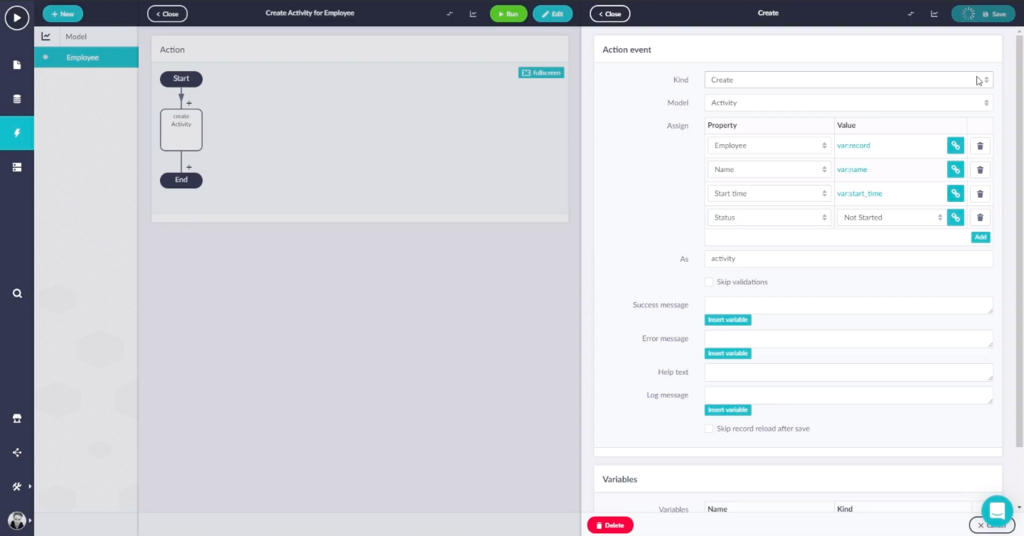
Instead of writing lines of code, you connect different apps and services using drag-and-drop tools. It's like building with digital LEGO blocks. Each block is an action, like "When a new email arrives in Gmail," and you connect it to another block, like "Create a new row in this Google Sheet." The platform handles all the complex code in the background.
No-code automation is transforming the way businesses and individuals streamline their workflows, making technology accessible to everyone, regardless of technical expertise.
You might also hear the term "low-code." Low-code platforms are similar but offer the option for programmers to add custom code for more complex or specialized tasks. For our purposes, the principle is the same: making automation accessible to more people.
Benefits of No-Code Automation
Automating your work isn't just about convenience. It brings powerful advantages.
First, it dramatically increases efficiency. A well-designed automation can complete a task in seconds that might take a human several minutes. Over weeks and months, that saved time adds up, freeing you to focus on strategic thinking, creative problem-solving, and building relationships.
Second, it reduces human error. We all make mistakes, especially when doing boring, repetitive work. Maybe you mistype a number or forget to send an email. Computers don't get tired or distracted. They follow the instructions exactly as given, leading to more consistent and reliable results.
Finally, it empowers teams. When people can build their own solutions to their daily problems, they feel more in control of their work. They don't have to wait for a busy IT department to build a custom tool. They can identify a bottleneck and create a workflow to fix it themselves, often in less than an hour.
What Can You Automate?
The best candidates for automation are tasks that are repetitive, rule-based, and involve moving data between different digital tools. If you can write down the steps of a task in a simple checklist, you can probably automate it.
Here are some common examples:
| Category | Example Automation |
|---|---|
| Marketing | Automatically post your new blog articles to social media. |
| Sales | When a new lead fills out a contact form, create a contact in your CRM and send a notification to the sales team on Slack. |
| HR | Send a welcome package of documents to new hires on their first day. |
| Project Management | When a task in Asana is marked as 'complete', create a calendar event to review the work. |
| Personal Productivity | Save all your email attachments from a specific sender to a dedicated Dropbox folder. |
A good way to start is by keeping a log for a day. Every time you find yourself doing a mindless, repetitive task, write it down. At the end of the day, look at your list. Those are your prime candidates for your first automation project.
There are many powerful tools available to help you build these automations. Some of the most popular platforms include Zapier, Make (formerly Integromat), and IFTTT (If This Then That). Each has its own strengths, but they all operate on the same basic principle of connecting triggers (like "a new row is added") with actions (like "send an email").
What is the primary advantage of using a no-code automation platform compared to traditional programming?
Which of the following tasks is the best candidate for automation?
By starting with small, simple tasks, you can quickly learn the ropes of no-code automation and begin reclaiming valuable time in your workday.