Automate Work with Python and AI No-Code
Introduction to No-Code and Low-Code Automation
Building Without Code
Think about building with LEGO blocks. You have pre-made pieces of different shapes and sizes, and you can snap them together to create almost anything you can imagine. You don't need to know how to manufacture plastic or design molds. You just use the blocks provided.
That's the core idea behind no-code automation. These platforms provide visual, drag-and-drop interfaces that let you build automated processes, called workflows, without writing a single line of programming code. You connect pre-built blocks that represent actions, like "Send an email" or "Create a calendar event."
No-code automation platforms empower both technical and non-technical users to automate processes using graphical user interfaces, rather than relying on conventional computer programming.
Instead of writing complex instructions for a computer, you draw a flowchart. This approach makes creating software accessible to everyone, from marketers and project managers to small business owners.
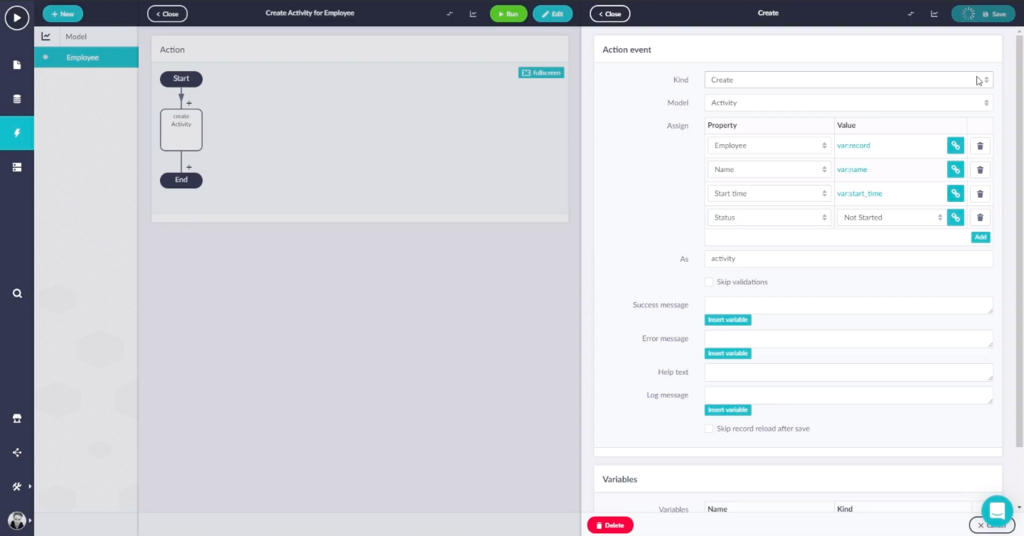
Low-Code vs No-Code
While often mentioned together, no-code and low-code platforms serve slightly different needs. If no-code is like using standard LEGO blocks, low-code is like getting a LEGO Technic set. You still have the easy-to-use blocks, but you also have gears, motors, and special pieces that let you build more complex and customized creations, provided you have a little more technical skill.
Low-code platforms are designed for users who might know some code. They offer the same visual building blocks as no-code tools but also allow developers to write custom code to extend functionality, connect to unique databases, or build highly specific features. No-code platforms, by contrast, are built for simplicity and operate entirely within the limits of the pre-built components.
| Feature | No-Code | Low-Code |
|---|---|---|
| Target User | Business users, non-programmers | Developers, IT professionals |
| Skill Level | None required | Basic coding knowledge helpful |
| Flexibility | Limited to platform's features | Highly customizable with code |
| Speed | Very fast for simple tasks | Fast, but custom code takes time |
Why Automate?
The main goal of automation is to take repetitive, manual tasks off your plate so you can focus on more important work. Think about all the small, recurring jobs you do every day: copying data from an email to a spreadsheet, reminding team members about deadlines, or processing standard forms.
These tasks are necessary but time-consuming and prone to human error. Automation handles them consistently and instantly. By creating a workflow, you define a process once, and the system executes it perfectly every time. This frees up mental energy, reduces mistakes, and allows teams to operate more efficiently without waiting for technical help.
Workflows like this connect different applications that might not normally talk to each other, creating a seamless and efficient process.
The Automation Landscape
The market for these tools has exploded. While we won't dive into specifics, it's helpful to know about a few of the major players to understand what's possible.
- Workflow Automation: Tools like Zapier, Make (formerly Integromat), and IFTTT are like universal translators for web apps. They specialize in connecting different services to create automated sequences.
- App & Website Building: Platforms like Bubble, Adalo, and Webflow allow you to build fully functional web and mobile applications without code.
- Database & Internal Tools: Airtable and Notion have transformed spreadsheets into powerful, flexible databases that can be used to build custom internal tools, project trackers, and content calendars.
Each tool has its strengths, but they all share the same goal: to give you the power to create and automate without needing a degree in computer science.
Now, let's test your understanding of these foundational concepts.
What is the primary goal of using no-code automation?
Which statement best describes the difference between no-code and low-code platforms?
Understanding these core ideas is the first step. Next, we'll explore how to identify which of your own tasks are perfect candidates for automation.