Automate Work with Python and AI No-Code
Introduction to Automation
What Is Automation?
At its core, automation is simple: it's the use of technology to perform tasks that would otherwise require human effort. Think of a dishwasher. Instead of scrubbing each plate by hand, you load the machine, press a button, and a repetitive task is handled for you. This frees you up to do something else.
That's the basic idea, scaled up. In any job or workflow, there are tasks we do over and over again. Automation involves creating a system or process that can execute these tasks on its own, following a set of predefined rules. The goal isn't to replace people, but to handle the mundane, predictable parts of a job so we can focus on what humans do best: thinking critically, solving complex problems, and being creative.
The goal isn't to eliminate human intervention but to create room for creativity and innovation by automating mundane and repetitive tasks.
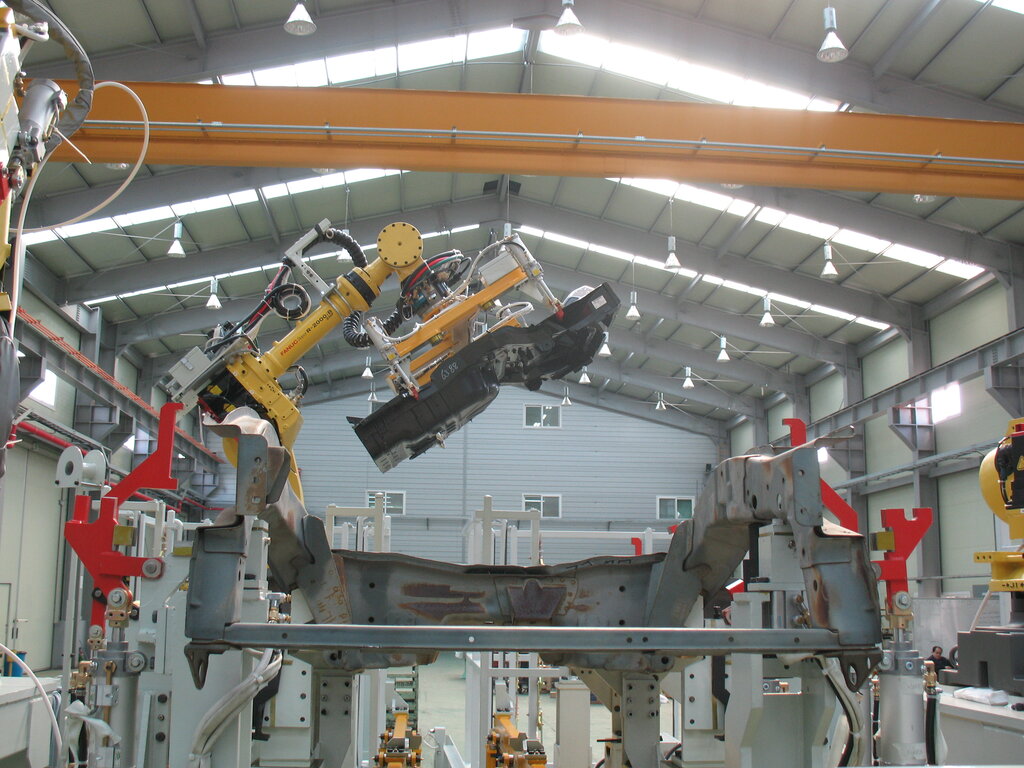
This could be as simple as an automatic email reply or as complex as a robotic arm on a factory assembly line. The key ingredients are always the same: a trigger that starts the process, a series of actions to be performed, and a clear, repeatable workflow.
Why Bother Automating?
The biggest wins from automation come from tackling repetitive tasks. Humans are great at many things, but performing the same simple action perfectly a thousand times isn't one of them. We get bored, distracted, and make mistakes. Machines don't.
This leads to three major benefits:
Increased Efficiency & Time Savings: When machines handle routine work, tasks get done faster and around the clock. This frees up hours for employees to focus on higher-value work that requires their unique skills.
Greater Accuracy: Automation reduces the risk of human error. For tasks like data entry or generating reports, a well-designed automated system will perform the task with perfect consistency every time.
Boosted Productivity: By streamlining workflows and handling the grunt work, automation allows teams and individuals to accomplish more. It removes bottlenecks and lets people direct their energy toward innovation and growth.
Automation in Action
Automation isn't just for tech companies or giant factories. Its principles are applied across nearly every industry to solve common problems. The specific applications change, but the goal of improving efficiency remains the same.
| Industry | Example of Automation |
|---|---|
| Manufacturing | Robotic arms assemble products, weld parts, and package goods on an assembly line. |
| Marketing | Email systems automatically send welcome messages to new subscribers or follow-up notes to potential customers. |
| Finance | Software automatically generates monthly financial reports or sends alerts for unusual account activity. |
| Customer Service | Chatbots answer frequently asked questions on a website, freeing up human agents for more complex issues. |
| Healthcare | Systems automatically send appointment reminders to patients via text or email, reducing no-shows. |
In each case, a predictable, rule-based task has been handed over to technology. The result is a more streamlined operation that allows people to apply their expertise where it matters most.
What is the primary goal of automation in a workflow?
Which of the following best describes the key components of any automated process?
By understanding these core concepts, you can start to see opportunities for automation everywhere, turning repetitive chores into efficient, hands-off processes.