Automate Work with Python and AI No-Code
Introduction to No-Code Automation
Work Smarter, Not Harder
Many jobs involve small, repetitive tasks. Think about copying data from an email to a spreadsheet, sending a weekly reminder, or saving attachments from a specific sender. Each task might only take a minute, but they add up, stealing time and focus from more important work.
No-code automation is a way to teach a computer to handle these tasks for you. The “no-code” part is key: you don’t need to be a programmer or write a single line of code. Instead, you use visual tools with drag-and-drop interfaces to build automated processes, often called workflows.
Think of it like building with digital LEGOs. The platform gives you the blocks (like “When a new email arrives” or “Add a row to a spreadsheet”), and you simply connect them in the order you want.
This approach makes automation accessible to everyone, from marketers and project managers to small business owners and freelancers. It empowers the people who actually do the work to improve their own processes directly, without waiting for technical help.
From Code to Clicks
Automation itself isn't new. For decades, it required teams of developers writing complex scripts to make different software systems talk to each other. It was expensive, slow, and out of reach for most people.
The rise of cloud-based applications changed everything. As more of our tools moved online (think Google Drive, Slack, Trello), they were built with the ability to connect to one another. This created the perfect environment for no-code platforms to emerge. These platforms act as translators, allowing your favorite apps to communicate and share information automatically.
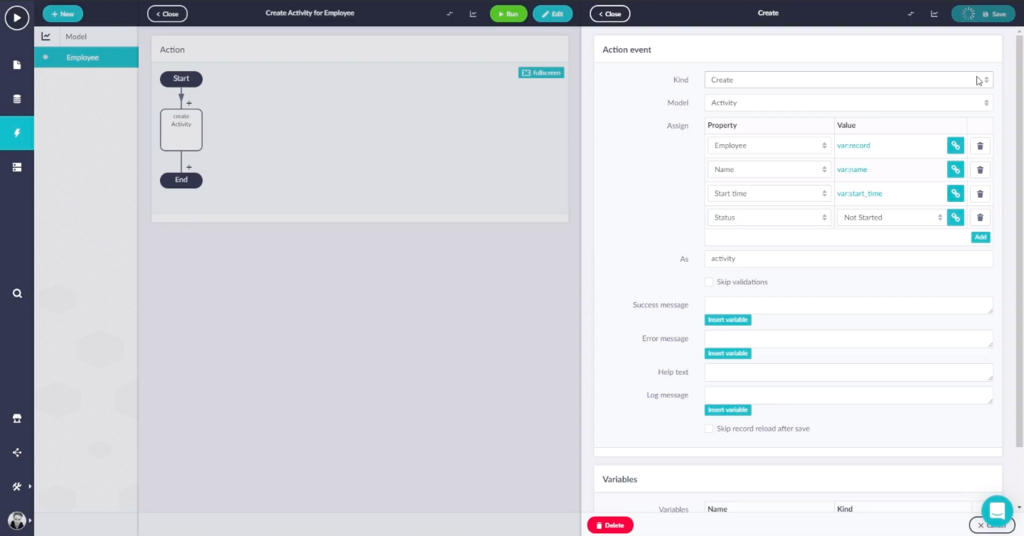
What started as a niche for tech enthusiasts has become a major movement. Now, anyone can build powerful, time-saving workflows in minutes, not months. The focus has shifted from technical skill to creative problem-solving.
Why It Matters
The benefits of no-code automation extend beyond just saving a few minutes here and there. For individuals, it frees up mental energy. By offloading tedious tasks, you can focus on creative, strategic work that requires a human touch.
For businesses, the impact is even greater. It leads to:
| Benefit | Description |
|---|---|
| Increased Productivity | Teams get more done by automating manual data entry and repetitive communication. |
| Fewer Errors | Machines don't make typos. Automating data transfer ensures consistency and accuracy. |
| Faster Processes | Workflows that once took days of manual back-and-forth can be completed instantly. |
| Empowered Teams | Employees can build their own solutions, leading to higher engagement and innovation. |
Some common things people automate include:
- Data Management: Automatically saving new sales leads from a form into a CRM and a spreadsheet.
- Notifications: Sending a Slack message to the team whenever a high-priority customer submits a support ticket.
- Content Workflows: When a blog post is published, automatically creating social media posts for it.
- Onboarding: Sending a series of welcome emails to a new client or employee on a set schedule.
These are just simple examples. The real power comes from connecting multiple apps and steps to handle complex processes from start to finish.
No-code platforms enable non-technical users, such as marketers or administrators, to create automations using drag-and-drop interfaces, eliminating the need for coding skills.
Ready to test your understanding of the basics?
What is the primary goal of no-code automation?
The main benefit of no-code automation for individuals is that it frees up mental energy for more creative and strategic work.
Understanding these core ideas is the first step. Next, we'll explore how to identify which tasks in your own work are perfect candidates for automation.