Automate Work with Python and AI No-Code
Introduction to No-Code Automation
The End of Busywork
Think about your daily tasks. How much of your time is spent on repetitive, manual chores? Things like copying data from an email to a spreadsheet, sending reminder messages, or updating project management boards. These tasks are necessary, but they're also time-consuming and prone to human error. What if you could teach your computer to do them for you, without writing a single line of code? That's the promise of no-code automation.
No-code automation refers to introducing technology that allows you to create these automation systems without writing a single line of code.
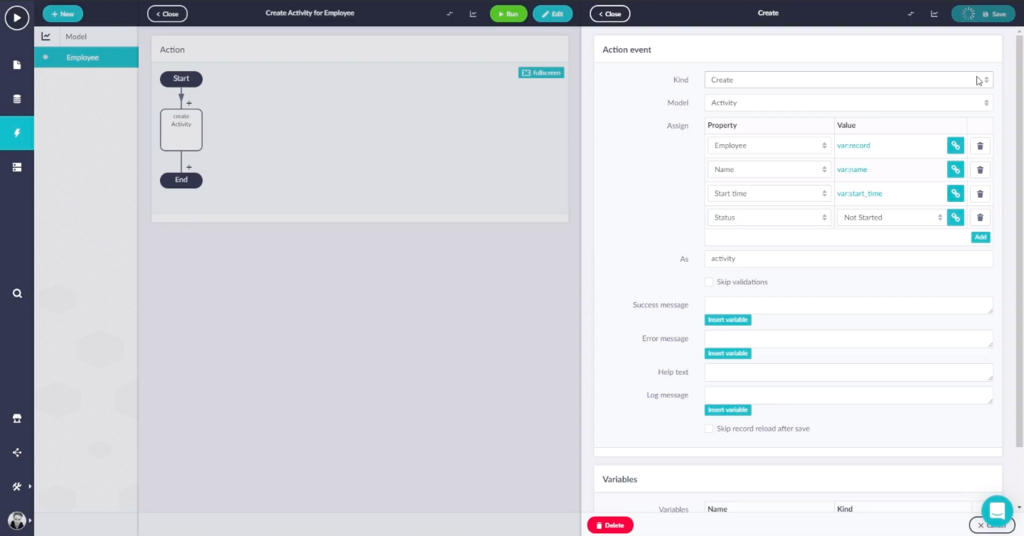
At its core, no-code automation is about creating simple rules for your software to follow. It uses visual, drag-and-drop interfaces to connect different apps and services. You build 'workflows' or 'recipes' that say, "When this happens, do that." For example: "When I receive a new sales lead in my email, automatically create a new record in my customer database and send a notification to the sales team channel in Slack." It’s like giving your software a to-do list it can handle on its own.
Why It's a Game Changer
The ability to automate tasks without coding has a huge impact. First, it saves an incredible amount of time. Instead of spending hours on manual data entry, you can set up an automation in minutes and let it run in the background, freeing you up to focus on more important, creative work.
Second, it drastically reduces errors. A computer following a set of rules won't make typos, forget a step, or copy information into the wrong column. This leads to more reliable data and smoother processes.
But the most significant benefit is empowerment. Historically, building automated systems was reserved for software developers. No-code tools democratize this power, allowing anyone—from marketing managers to small business owners—to build custom solutions for their own unique problems.
The Tools of the Trade
A whole ecosystem of no-code platforms has emerged to make this possible. You don't need to know all of them, but it's helpful to understand the main players. They act as the glue between the different applications you use every day.
Some of the most popular platforms include:
-
Zapier: Known for its vast library of over 6,000 app integrations, Zapier is a great starting point for connecting nearly any web service you can think of.
-
Make (formerly Integromat): This platform is highly visual, allowing you to build complex, multi-step workflows that you can see and understand at a glance.
-
n8n.io: A powerful and often open-source option that gives you a lot of flexibility for creating sophisticated automations.
These tools all share a common goal: to turn your intentions into actions through a simple, visual interface. You choose a trigger (the "when this happens" part) and then define one or more actions (the "do that" part). The platform handles all the technical complexity behind the scenes.
Ready to test your understanding of these core concepts?