Automate Work with Python and AI No Code
Introduction to No-Code Automation
Automate Without Code
Think about the small, repetitive tasks you do at work every day. Maybe you copy information from an email into a spreadsheet. Or perhaps you save attachments from your inbox to a cloud storage folder. Each task might only take a minute or two, but they add up, stealing time and focus from more important work.
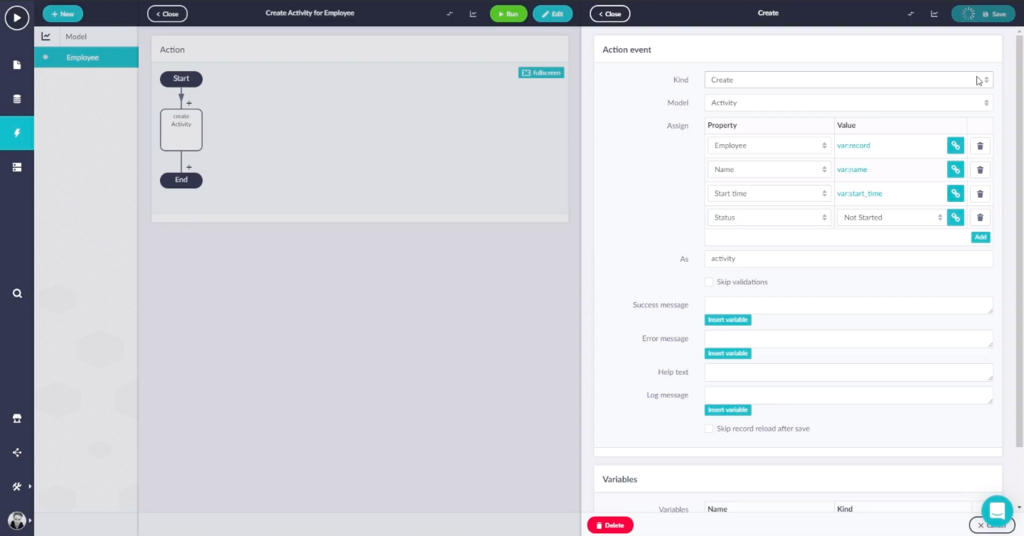
This is where no-code automation comes in. It’s a way to create automated workflows—sequences of tasks that run on their own—without writing any computer code. Instead of programming, you use tools with visual, drag-and-drop interfaces to connect your apps and tell them what to do.
No-code automation platforms empower both technical and non-technical users to automate processes using graphical user interfaces, rather than relying on conventional computer programming.
The basic idea is simple: "When this happens, do that." This is often called a trigger-action relationship. A 'trigger' is an event that starts the automation, and an 'action' is the task that gets performed automatically in response.
Why Bother?
The benefits of automating these small tasks are significant. First, you save a lot of time. What once took hours of manual work each week can be done in seconds by a workflow that runs 24/7. This frees you up to focus on creative problem-solving and strategic thinking—the work that truly adds value.
Second, it reduces human error. When you're manually copying and pasting data, it's easy to make a typo or miss a step. Automation performs the task the exact same way every single time, improving accuracy and consistency.
Finally, it empowers everyone on a team to build their own solutions. You don't need to wait for a developer to build a custom integration. If you understand the process, you can automate it yourself.
Tools of the Trade
A variety of powerful and user-friendly no-code platforms are available. While they all aim to connect apps and automate tasks, they can have different strengths and interfaces. Some of the most popular tools include:
- Zapier: Known for its vast library of over 5,000 app integrations, making it one of the most versatile tools for connecting different software.
- Kissflow: Focuses on managing entire business processes, allowing users to create custom forms, project boards, and automated workflows in one place.
- SeaTable: A flexible tool that combines the features of a spreadsheet and a database, with strong automation capabilities built directly into its tables.
These platforms provide pre-built connectors for thousands of common applications like Gmail, Slack, Dropbox, and Google Sheets. You simply select your apps, choose your trigger and action, and turn the workflow on.
What Can You Automate?
The possibilities are nearly endless, but no-code automation is especially good for tasks that are repetitive, rule-based, and involve moving data between different online services. Some common examples include:
- Data Entry: Automatically create a new row in a Google Sheet whenever someone fills out a form on your website.
- Notifications: Send a message to a Slack channel every time a new sale is logged in your e-commerce platform.
- File Management: Save all email attachments from a specific client to a designated Dropbox folder.
- Social Media: Automatically share your new blog posts to Twitter and LinkedIn as soon as they are published.
- Task Management: Create a new task in your project management tool (like Asana or Trello) when an important email is flagged in your inbox.
By starting with a small, simple task, you can quickly learn the fundamentals of no-code automation and begin reclaiming your time.
Now, let's test your understanding of these core concepts.
What is the primary goal of no-code automation?
The fundamental logic of a no-code automation is often described as a relationship between what two components?