Automate Work with Python and AI No-Code
Introduction to Automation
What is Automation?
At its core, automation is about using technology to perform tasks that would otherwise require human effort. Think about washing clothes. You could spend an hour scrubbing them by hand, or you could put them in a washing machine, press a button, and walk away. The machine automates the task of washing.
In the world of work, automation does the same thing. It takes on repetitive, rule-based jobs, freeing up people to focus on tasks that require creativity, critical thinking, and complex problem-solving. The goal isn't to replace people, but to make their work more efficient and meaningful.
Automation handles the boring, repetitive stuff so you can tackle the interesting challenges.
By letting software and machines handle routine tasks, businesses and individuals can save time, reduce errors, and increase productivity. It’s a fundamental tool for getting more done with less manual intervention.
The Flavors of Automation
Automation isn't a one-size-fits-all concept. It comes in different scales, from automating a single click to orchestrating a company-wide operation. We can generally group it into three main types.
Task Automation
noun
The automation of a single, specific, and repetitive action.
This is the simplest form. It’s about targeting one small, repeatable job. For example, instead of manually creating a backup of an important file every Friday, you could set up a simple script that does it for you automatically.
Next, we have workflow automation.
Workflow Automation
noun
The process of connecting a series of automated tasks to complete a multi-step process.
This involves linking multiple tasks together. Think of an online order. When you buy something, a workflow kicks in: your payment is processed (task 1), a confirmation email is sent to you (task 2), and a notification is sent to the warehouse to ship your item (task 3). It’s a chain reaction of automated steps.
Finally, the broadest type is process automation.
Process Automation
noun
The management and automation of an entire business process, often spanning multiple systems and departments.
This is the big picture. It looks at a major business function from start to finish and automates it. For example, onboarding a new employee involves HR, IT, and finance. A process automation system could handle everything from sending the offer letter and collecting digital paperwork to creating user accounts and setting up payroll, all without manual handoffs between departments.
Here’s a simple breakdown:
| Type | Scope | Example |
|---|---|---|
| Task Automation | A single action | Automatically sending a birthday email. |
| Workflow Automation | A series of connected tasks | Approving a vacation request. |
| Process Automation | An entire end-to-end function | Managing the entire supply chain from order to delivery. |
Why Bother Automating?
The benefits of automation apply across nearly every industry, from manufacturing and healthcare to marketing and finance. While the specific applications vary, the core advantages remain the same.
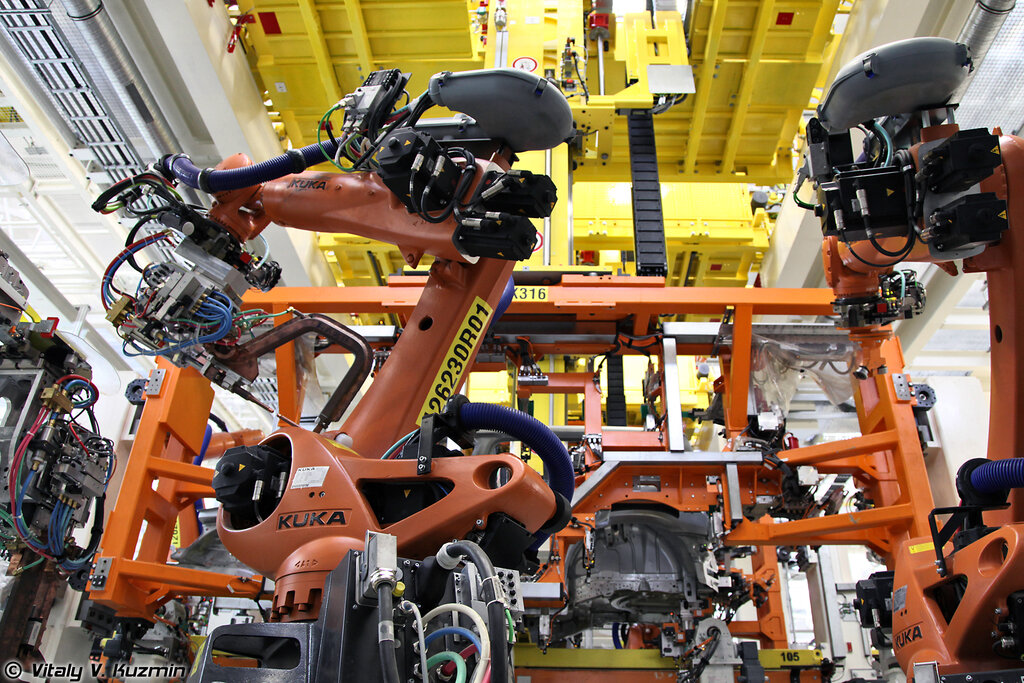
First, there's a huge boost in efficiency. Automated systems can work 24/7 without getting tired, processing information and completing tasks much faster than a person could. This means more work gets done in less time.
Second, automation drastically improves accuracy. Humans make mistakes, especially when tired or bored. A computer performing a data-entry task will input the information correctly every single time, eliminating costly typos and errors.
Finally, and perhaps most importantly, automation saves time. When routine tasks are handled automatically, people are free to focus on what they do best: innovating, collaborating, and solving complex problems. It shifts the focus from tedious labor to strategic thinking.
What is the primary goal of automation in the workplace?
When you purchase an item online, a system automatically processes your payment, sends a confirmation email, and alerts the warehouse. What type of automation does this chain of events best describe?
Understanding these fundamentals is the first step. Now that we know what automation is and why it's valuable, we can begin to explore how to build these automations ourselves.