Automate Work with Python and AI No-Code
Introduction to No-Code Automation
What is No-Code Automation?
Imagine you have a routine task you do every day, like copying information from an email and pasting it into a spreadsheet. It's simple but takes time. Now, what if you could teach your computer to do it for you, without writing a single line of code? That's the core idea behind no-code automation.
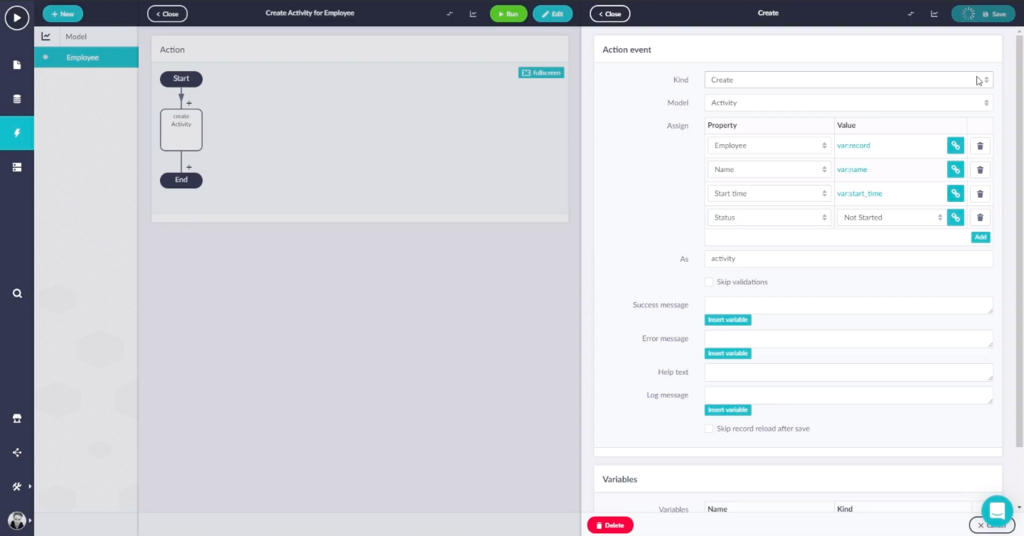
No-code automation platforms provide a visual way to connect different apps and services to create automated workflows. Think of it like building with digital LEGO blocks. Each block is a pre-built action, like "When a new email arrives" or "Add a row to a spreadsheet." You simply drag, drop, and connect these blocks to build a process that runs on its own.
No-code automation platforms empower both technical and non-technical users to automate processes using graphical user interfaces, rather than relying on conventional computer programming.
This approach makes automation accessible to everyone, not just software developers. You don't need to understand programming languages. You just need to understand the process you want to automate.
The Benefits of Automating Work
Automating repetitive tasks has some clear advantages. The most obvious is saving time. Hours spent on manual data entry, file organization, or sending standard follow-up emails can be reclaimed for more important work.
Automation also reduces human error. When you're doing the same boring task over and over, it's easy to make a typo or miss a step. An automated workflow performs the task exactly the same way every time, increasing accuracy and consistency.
By handing off these routine jobs to software, you and your team can focus on tasks that require creativity, strategic thinking, and complex problem-solving. This shift doesn't just make work more efficient; it makes it more engaging.
The goal isn't to replace humans, but to free them from robotic tasks so they can do what humans do best: think, create, and connect.
Common Automation Platforms
The world of no-code is filled with powerful, user-friendly tools. While we won't dive deep into how to use them here, it's helpful to know a few of the key players. These platforms act as a bridge between the different applications you use every day, allowing them to talk to each other and work together.
| Platform | Common Use Case |
|---|---|
| Zapier | Connecting thousands of web apps with "Zaps" (simple if-this-then-that workflows). |
| Make (formerly Integromat) | Building more complex, multi-step workflows with visual flowcharts. |
| Airtable | Automating tasks within a flexible database-spreadsheet hybrid. |
| n8n | Creating powerful, self-hosted workflows for more technical control. |
Each platform has its own strengths, but they all share the same fundamental goal: to give you the power to build automated systems visually.
Ready to check your understanding?
What is the primary goal of no-code automation?
The text uses the analogy of 'digital LEGO blocks' to describe no-code automation. What do these 'blocks' represent?
No-code automation is a practical skill that transforms how we approach daily work, making processes smoother and more reliable for everyone.