Automate Work with Python and AI No-Code
Introduction to Automation
What is Automation?
Think about your morning coffee. You can manually scoop the grounds, pour the water, and press the 'start' button. Or, you can set a timer on your coffee maker the night before. When you wake up, the coffee is already brewed. That's automation in a nutshell: designing a system to perform tasks without continuous human input.
Automation
noun
The use of technology to perform tasks that were previously done by humans.
At its core, automation is about identifying a repetitive process and building a system to handle it. This could be as simple as an automatic email reply or as complex as a fleet of robots assembling cars. The goal is always the same: to increase efficiency and free up people to focus on more creative, strategic, or complex problems.
The goal isn't to eliminate human intervention but to create room for creativity and innovation by automating mundane and repetitive tasks.
The Benefits of Automation
Automating tasks isn't just about convenience. It brings significant advantages to any process, whether in a large business or your personal daily routine. By letting technology handle the grunt work, we can achieve more with less effort.
| Benefit | Description |
|---|---|
| Time Savings | Tasks are completed much faster than a human could manage, freeing up hours for other work. |
| Reduced Errors | Machines don't get tired or distracted. Automation minimizes human error, leading to more accurate results. |
| Increased Consistency | An automated process runs the exact same way every single time, ensuring uniform quality and output. |
| Higher Productivity | By handling repetitive chores, automation allows people to focus on high-value activities that require thought and creativity. |
Imagine an accountant who spends two hours every day manually copying sales data from emails into a spreadsheet. If this task is automated, that accountant now has ten extra hours a week to analyze the data, identify trends, and provide valuable insights to the business. The work isn't just done faster; the quality of the overall output improves.
Automation in the Real World
Automation is not a futuristic concept; it's already a part of our world. It operates in the background of many industries, making them more efficient and reliable.
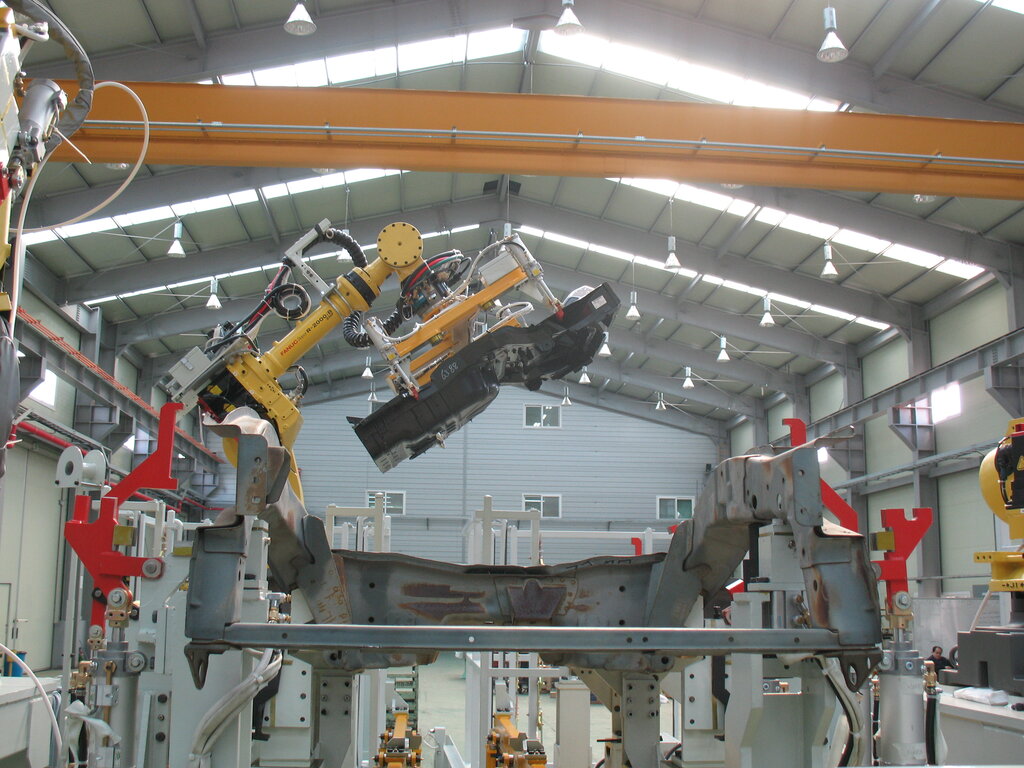
In manufacturing, robots perform tasks like welding and painting with a precision humans can't match. In banking, software automatically processes thousands of transactions, flagging suspicious activity in seconds. E-commerce companies use automated systems to manage inventory, process orders, and send shipping notifications. Even in agriculture, automated irrigation systems deliver water to crops exactly when needed, conserving resources and improving yields.
Each of these examples follows the same principle: a repetitive, rule-based task is handed over to technology. This shift allows people and businesses to operate more effectively, turning their attention to challenges that require human ingenuity.
The key is to identify tasks that are repetitive, time-consuming, and prone to error. These are the perfect candidates for automation.
Time to review what we've covered.
Let's check your understanding with a few questions.
What is the primary goal of automation?
Which of the following tasks is the best candidate for automation?
Understanding the 'what' and 'why' of automation is the first step. It's a powerful concept that reshapes how we approach work, from the simplest daily chore to the most complex industrial process.