Automate Work with Python and AI No-Code
Introduction to No-Code AI Automation
AI Without the Code
Imagine building a powerful piece of software, not by writing lines of complex code, but by snapping together pre-made digital blocks, like LEGOs. That’s the core idea behind no-code AI automation. It’s a way for anyone to build smart systems that handle repetitive work, using simple visual tools instead of programming languages.
No-code AI tools let you build smart workflows, automate repetitive tasks, and launch intelligent apps—all without writing a single line of code.
For years, the power of artificial intelligence was locked away, accessible only to those with deep technical skills. No-code platforms change that. They democratize AI, putting its capabilities into the hands of marketers, project managers, small business owners, and anyone else who understands a problem and can visualize a solution.
The main benefits are speed and accessibility. You can create and test a new automated process in a matter of hours, not weeks. This allows people with direct expertise in their field, the ones who know the workflow’s pain points best, to build the exact solutions they need without having to translate their vision for a developer.
Tools of the Trade
The no-code world is filled with platforms designed to make automation easy. Tools like Zapier, Make, and n8n act as digital switchboards. They connect the different apps you use every day, like Gmail, Slack, Google Sheets, and thousands of others, allowing you to create chains of actions.
These platforms typically feature a visual canvas where you can drag and drop components to build your workflow. An action in one app, like receiving a new email with an attachment, can trigger a series of steps in others. For example, the attachment could be saved to Dropbox, its contents read by an AI, a summary posted to a Slack channel, and a new row added to a project management tool.
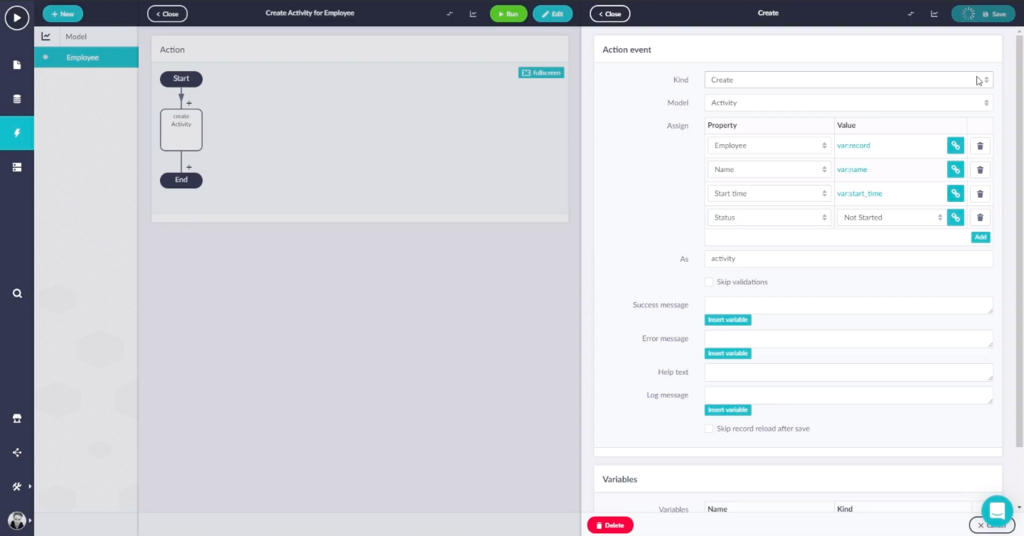
What makes this “AI automation” is the integration of artificial intelligence directly into these workflows. You can add a block that uses a large language model to analyze text, categorize customer feedback, draft a reply, or even generate images. This brings a layer of intelligence to your automated processes that goes beyond simple data transfer.
Finding Your First Automation
The best way to start is by looking for the boring, repetitive parts of your job. Think about tasks you do over and over that don't require much creative thinking. These are prime candidates for automation.
Good tasks for no-code AI automation are often:
- Repetitive: You do them daily or weekly in the exact same way.
- Rule-based: They follow a clear set of “if this, then that” logic.
- Data-heavy: They involve moving information from one place to another.
- Time-consuming: They take up valuable time that could be spent on more important work.
| If you often... | You could automate... |
|---|---|
| Manually copy-paste info between apps | A workflow that syncs data automatically. |
| Sort and tag incoming emails or leads | An AI that reads and categorizes them for you. |
| Write similar replies to common questions | A system that drafts personalized responses. |
| Consolidate data for weekly reports | A process that gathers and formats the data into a sheet. |
The fastest way to get started with no-code AI is to automate one repeatable task and build from there. Pick something small and manageable to learn the ropes.
Putting It All to Work
Let’s look at how this works in the real world. A marketing team, for instance, might be overwhelmed by customer feedback coming in through social media. Instead of having someone manually read every comment, they could build an automation.
First, a trigger node watches for any new brand mention on Twitter. When a new tweet appears, its text is sent to an AI model. The AI performs sentiment analysis, determining if the comment is positive, negative, or neutral. If the sentiment is negative, the automation creates a high-priority ticket in their customer support software and alerts the support manager in Slack. If it's positive, it adds the tweet to a spreadsheet of customer testimonials. This entire process runs instantly, 24/7, without any human intervention.
Another example comes from finance. An accounting firm receives hundreds of invoices as PDF attachments each month. An employee used to open each email, download the PDF, find the invoice number, due date, and amount, and then manually enter that data into QuickBooks. With a no-code workflow, an AI can now “read” the PDF, extract the key information, and automatically create a new bill in the accounting software, flagging any unusual amounts for human review.
These examples show how no-code AI isn't just about saving time; it's about creating smarter, more responsive business processes.
What is the primary goal of no-code AI automation?
Which of the following tasks is the BEST candidate for no-code AI automation?
This approach empowers you to become a builder, solving your own problems with the power of AI, one workflow at a time.