Automate Work with Python and AI No-Code
Introduction to Automation
What Is Automation?
At its core, automation is about using technology to perform tasks that were once done by people. Think of it as teaching a machine to follow a set of instructions. The goal isn't to replace people, but to free them from repetitive, manual work. This allows employees to focus on more complex problems, creative thinking, and strategic planning, which are things humans do best.
Imagine you have to send the same email report every single Monday morning. You gather the data, put it in a specific format, and send it to the same list of people. It's necessary, but it's not the most engaging part of your week. Automation can handle that entire process for you. While you're starting your week with a coffee and planning your priorities, the report is already sent.
Automation lets machines handle the repetitive work, so people can focus on the problems that require a human touch.
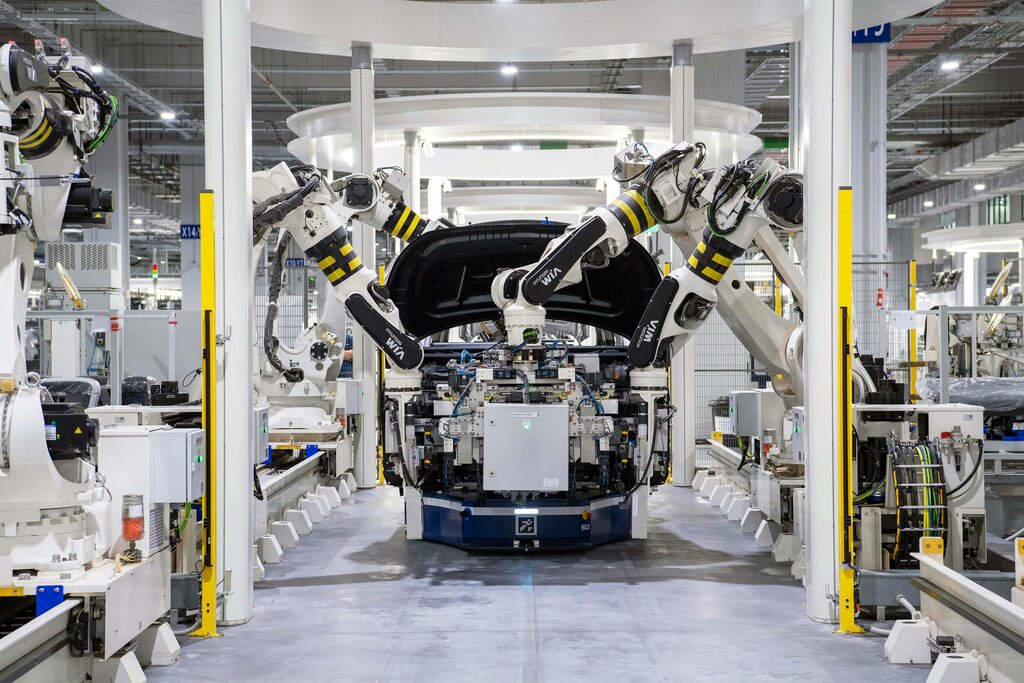
This principle applies far beyond simple emails. It scales up to complex manufacturing, data analysis, and customer service. By letting technology manage the predictable tasks, businesses run more smoothly and efficiently.
Types of Automation
Automation isn't a single concept; it's a spectrum of technologies that range from simple to highly intelligent. Understanding the different types helps clarify what's possible.
| Type | What It Does | Example |
|---|---|---|
| Process Automation | Streamlines a complete, multi-step business workflow from start to finish. | Automatically routing a new hire's paperwork to HR, IT, and their new manager in sequence. |
| Robotic Process Automation (RPA) | Uses software "bots" to mimic simple, rule-based human actions on a computer. | A bot that copies customer data from a spreadsheet and pastes it into a company's CRM software. |
| AI-Driven Automation | Employs artificial intelligence to handle complex tasks that require learning and decision-making. | An AI-powered customer service chatbot that understands user questions and provides personalized answers. |
Process Automation, often called Business Process Automation (BPA), focuses on the big picture. It looks at an entire workflow and integrates different systems to make the whole process seamless.
RPA is more task-oriented. It's great for legacy systems that don't have modern ways to connect. An RPA bot interacts with applications just like a person would, by clicking, typing, and navigating through screens.
AI-Driven Automation is the most advanced form. It can understand unstructured data like text from an email, learn from past outcomes, and make judgments. This is where automation starts to feel truly "smart."
Why It Matters
Implementing automation in the workplace offers clear and significant benefits. The most obvious is a boost in productivity. When tasks are completed faster and around the clock without breaks, the overall output naturally increases.
It also leads to higher accuracy. Humans make mistakes, especially when tired or bored by a repetitive task. A well-programmed machine does not. This reduction in errors can save money and improve quality.
Speaking of savings, automation reduces operational costs. It handles tasks more efficiently and cuts down on the time and resources spent correcting manual errors.
Perhaps most importantly, automation improves the work experience for employees. It takes the tedious, unfulfilling tasks off their plates. This allows them to engage in more interesting and valuable work, which leads to higher job satisfaction and less burnout.
By automating the mundane, AI is liberating human capital to focus on what people do best: strategic analysis, complex problem-solving, and relationship management.
What is the primary goal of automation in the workplace?
A company uses a software 'bot' to read data from an old desktop application, copy it into a spreadsheet, and then paste it into a web form. The bot mimics human clicks and keystrokes. Which type of automation does this best describe?
Automation is a powerful tool for making work more efficient and meaningful. By understanding its basic forms and benefits, you can start to see opportunities for it all around you.