Automate Work with Python AI No-Code
Understanding Automation
What Is Automation?
At its core, automation is about using technology to do tasks that would otherwise require human effort. Think about the simple, repetitive jobs you do every day, like sorting emails, copying data from one place to another, or sending a standard reply. Automation takes over these kinds of processes, letting software or machines handle them instead.
The goal isn't to replace people, but to free them up. By handing over the tedious, predictable parts of a job to technology, we can focus our brainpower on things that require creativity, critical thinking, and complex problem-solving. It’s a tool for working smarter, not just harder.
With automation handling the grunt work, you can focus on strategic, creative tasks, boosting your productivity.
Two Flavors of Automation
Automation isn't a one-size-fits-all concept. It generally falls into two main categories: rule-based and AI-driven.
Rule-Based Automation is the most straightforward type. It operates on a simple "if this, then that" logic. You define a set of clear, unchanging rules, and the system follows them perfectly every time. Think of an automatic coffee maker that starts brewing at 7 AM. It follows one simple rule: when the clock says 7:00, start the coffee. It doesn't matter if you're awake, if it's a holiday, or if you're out of milk. The rule is the rule.
This type of automation is perfect for tasks that are predictable and don't require any judgment or adaptation.
AI-Driven Automation is more advanced. Instead of just following rigid instructions, it uses artificial intelligence to learn, adapt, and make decisions. It can handle tasks that are less predictable and require a bit of interpretation. For example, an AI-powered customer service chatbot doesn't just give pre-written answers. It analyzes the customer's question, understands the intent, and generates a relevant response. It can even learn from past conversations to get better over time.
Why Bother Automating?
Implementing automation offers significant advantages, changing not just how fast work gets done, but the nature of the work itself.
First, there's efficiency. An automated system can process invoices, run quality checks, or update a database around the clock without breaks or fatigue. This dramatically increases output and speed.
Next is accuracy. Humans make mistakes, especially when a task is boring and repetitive. Automation performs the same task the same way every single time, drastically reducing errors in things like data entry or financial calculations.
Finally, and perhaps most importantly, automation enables a strategic focus. When employees aren't bogged down by routine administrative tasks, they have more time and mental energy for innovation, customer engagement, and long-term planning. It shifts the value of a human employee from completing checklists to solving bigger, more meaningful problems.
Automation doesn't replace the human touch—it creates space for more of it.
Automation in the Wild
Automation is already at work in nearly every industry. In manufacturing, robots on an assembly line perform precise, repetitive tasks like welding and painting. This is a classic example of rule-based automation that has been around for decades.
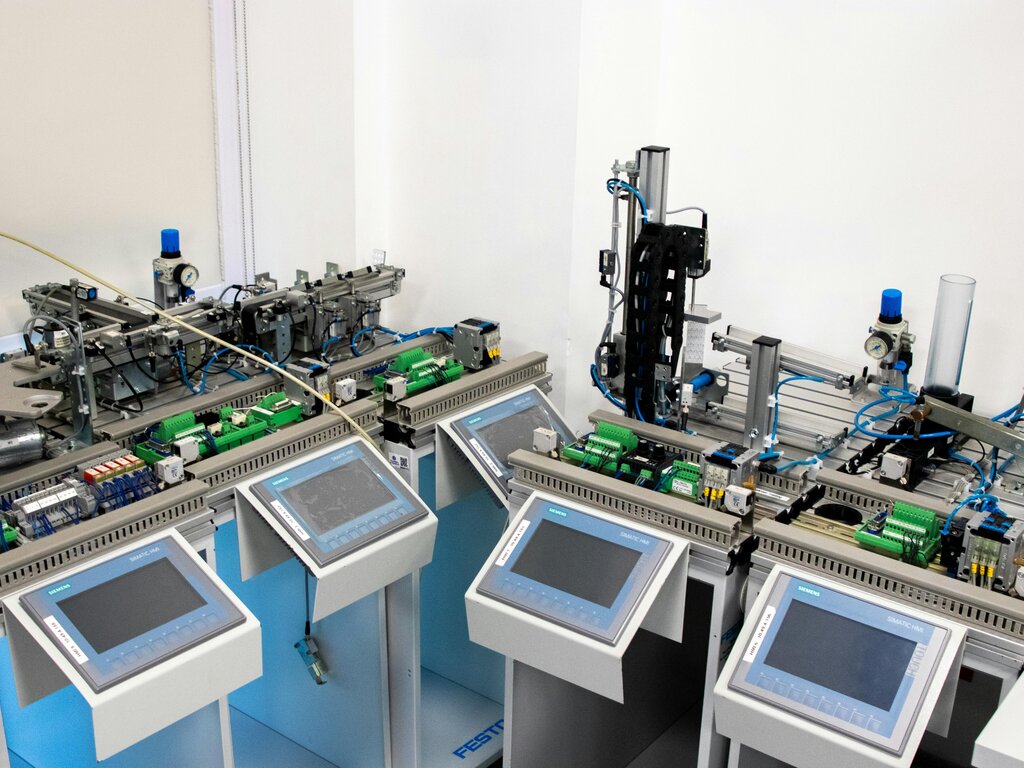
In finance, algorithms automate stock trading by executing buys and sells based on market changes, operating far faster than any human could. In healthcare, automation helps manage patient records, schedule appointments, and even assist in analyzing medical images to spot signs of disease.
And in marketing, automated systems send personalized emails to customers based on their browsing history or past purchases. This AI-driven approach ensures the right message reaches the right person at the right time, creating a more effective and tailored experience.
From simple email filters to complex supply chain management, automation streamlines processes, reduces errors, and allows people to focus on what they do best.
Ready to check your understanding?
What is the primary goal of automation?
An email marketing system that sends a personalized product recommendation based on a user's recent browsing history is an example of AI-driven automation.
By understanding these fundamentals, you can start to see how automation applies not just in large industries, but in everyday workflows, too.