Automate Work with Python AI No-Code
Understanding Automation Basics
What Is Automation?
At its core, automation is about letting technology handle repetitive tasks for you. Think of it as creating a helper that follows a set of instructions to get a job done, freeing you up to focus on more important things. You likely already use automation in your daily life, like when you set up automatic bill payments or schedule an email to send later.
In the workplace, automation takes this concept and applies it to business processes. It can be as simple as a program that copies data from one spreadsheet to another, or as complex as a system that manages customer support inquiries. The main goals are always the same: to increase efficiency, reduce human error, and save time.
By handing over routine tasks to a machine, you get to spend more of your brainpower on creative problem-solving and strategic thinking.
The Tools of the Trade
You might think that setting up automation requires years of coding experience. A decade ago, you'd be right. Today, however, a new breed of tools has made automation accessible to everyone, regardless of their technical background.
These tools fall into two main categories: no-code and low-code platforms.
No-code
adjective
Platforms that use visual, drag-and-drop interfaces to build applications and workflows, requiring no traditional programming.
Think of no-code platforms as building with LEGOs. You have a set of pre-built blocks (like "send an email" or "add a row to a spreadsheet"), and you connect them visually to create a workflow. You don't need to know how the blocks are made; you just need to know how you want them to fit together.
Low-code platforms are similar, but they offer the option to add custom bits of code for more complex or unique situations. It's like a model airplane kit that lets you paint your own details if you want to go the extra mile.
No-code AI tools let you build smart workflows, automate repetitive tasks, and launch intelligent apps—all without writing a single line of code.
Where AI and Python Fit In
Simple automation follows a strict set of rules. For example: "If a new email arrives with an invoice, then save the attachment to a specific folder." But what if you need your automation to be a little smarter? That's where Artificial Intelligence (AI) comes in.
AI gives your automation the ability to make decisions, understand human language, or recognize patterns. Instead of just saving any invoice, an AI-powered workflow could read the invoice, extract the amount due and the payment date, and add that information directly into your accounting software. AI acts as the brain, making your automated processes more powerful and flexible.
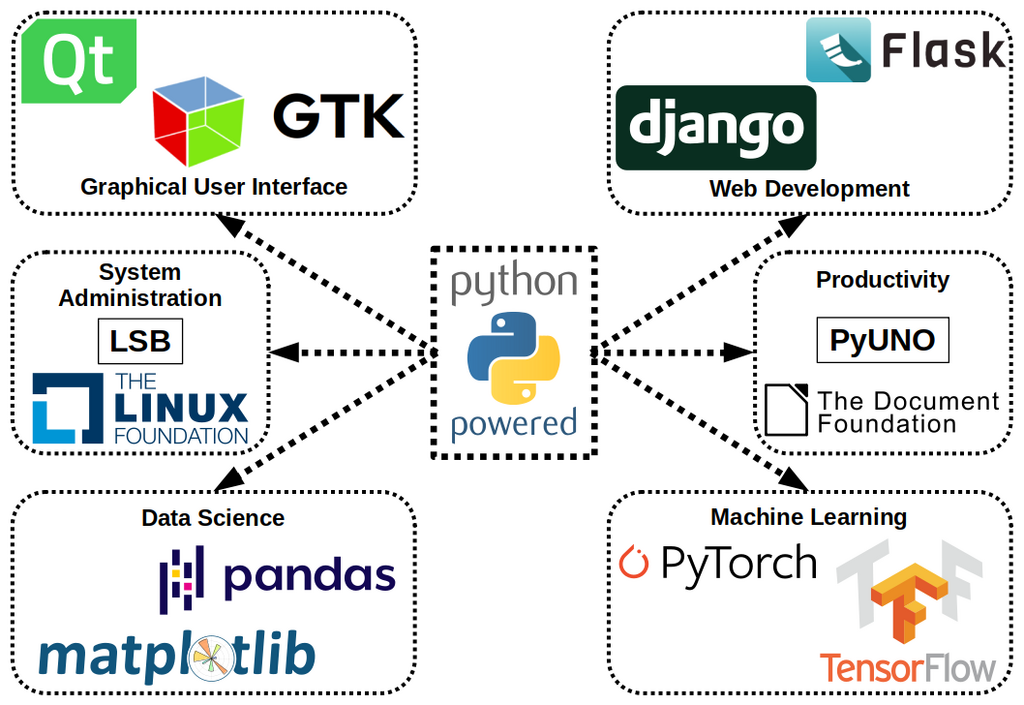
Behind the scenes of many of these powerful tools is a programming language like Python. It's one of the most popular languages for automation and AI because it's versatile and relatively easy to use. While you don't need to learn Python to use no-code platforms, it's helpful to know that it’s often the engine making everything run smoothly. The user-friendly interfaces of no-code tools are built on top of powerful code.
Ready to get started? The best way to learn is by doing. Don't try to overhaul your entire workflow at once.
Start small: Don't try to automate everything all at once. Start with a few simple tasks and gradually increase the complexity as you become more comfortable with the tools.
Think about your daily work. Is there a small, repetitive task you do every day? Maybe it's copying information from one place to another, sending a daily reminder email, or generating a simple report. That's your perfect first candidate for automation.
What is the primary goal of using automation in a business context?
According to the text, no-code platforms are compared to what?
By starting with a simple task, you can learn the basics of your chosen tool and see the benefits of automation firsthand.