Automate Work with Python AI No-Code
Introduction to No-Code Automation
Automation Without Code
Many jobs involve small, repetitive tasks. Think about copying data from an email to a spreadsheet, sending a weekly reminder message, or posting the same update to different social media accounts. Each task is simple on its own, but together they eat up hours of your time. What if you could teach your computer to do them for you?
This is the core idea behind no-code automation. It's a way to create automated workflows, or sequences of actions, using visual tools instead of traditional programming. You don't write lines of code. Instead, you connect apps and define rules using simple drag-and-drop interfaces. It's like building with digital LEGOs, where each block is an action and you snap them together to build a process.
No-code platforms empower you to build powerful automations visually, turning complex processes into simple, repeatable workflows.
How We Got Here
Not long ago, creating any kind of software or automation was exclusively the job of developers. If you wanted to connect two applications or automate a business process, you needed someone who could write code to build a custom solution. This was often slow, expensive, and out of reach for many individuals and small businesses.
The rise of no-code platforms changed everything. These tools act as translators. They provide a simple, visual layer that lets you describe what you want to happen, and then they handle the complex code in the background. This shift has democratized technology, putting the power to create and automate directly into the hands of the people who are actually doing the work.
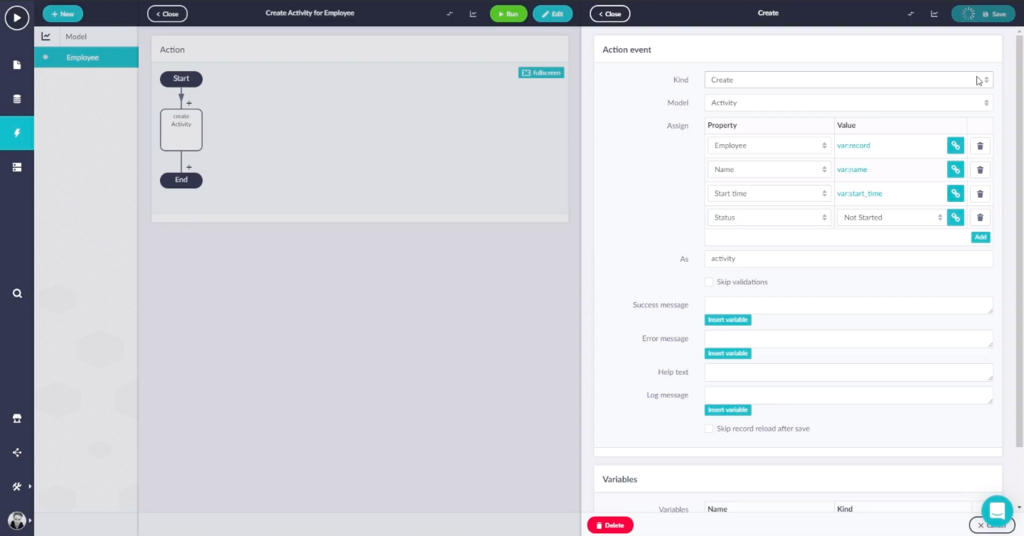
No-code platforms enable non-technical users, such as marketers or administrators, to create automations using drag-and-drop interfaces, eliminating the need for coding skills.
Benefits of Going No-Code
The most immediate benefit of no-code automation is saving time and boosting efficiency. By handing over repetitive tasks to a machine, you free up your mind and your schedule for more important, creative work that requires a human touch. This doesn't just help businesses—it helps individuals reduce tedious work and focus on what they do best.
Other key advantages include:
- Lower Costs: Building custom software solutions is expensive. No-code platforms offer a much more affordable way to achieve the same results.
- Increased Speed: You can build and launch an automation in minutes or hours, not weeks or months. If a process changes, you can quickly update the workflow yourself without waiting for a developer.
- Reduced Errors: Manual data entry and other repetitive tasks are prone to human error. Automation ensures tasks are performed consistently and accurately every time.
- Empowerment: It gives you the ability to solve your own problems. If you see an inefficient process, you have the tools to fix it yourself.
What Can You Automate?
The possibilities are vast, but most no-code automation revolves around connecting different apps and moving information between them. The best candidates for automation are tasks that are rule-based, repetitive, and happen frequently.
| Category | Example Use Cases |
|---|---|
| Marketing | Automatically post new blog articles to social media. |
| Add new email subscribers to a welcome sequence. | |
| Sales | Create a new lead in your CRM from a form submission. |
| Send a follow-up email after a meeting. | |
| Operations | Save email attachments to a specific cloud storage folder. |
| Assign a task in a project manager when a new order comes in. | |
| Personal Productivity | Get a notification when an important email arrives. |
| Add events from your calendar to a daily to-do list. |
These examples are just the beginning. By learning the fundamentals, you can start identifying opportunities for automation in your own work and personal life.
Now, let's test your understanding of these core concepts.
What is the primary purpose of no-code automation?
Which of the following tasks is the BEST candidate for no-code automation?