Automate Work with Python AI No-Code
Introduction to Automation
What is Automation?
At its core, automation is about letting technology do the work for us. It’s the process of using systems, software, or machines to perform tasks that would otherwise require a human to do them manually. Think of it as creating a recipe for a task and then having a machine follow that recipe perfectly, over and over again.
Automation
noun
The use of technology to perform tasks with reduced human assistance.
The key word here is repetitive. Automation excels at handling jobs that are predictable and follow a clear set of rules. This could be anything from assembling a car part to sending a monthly email newsletter. By handing these jobs over to technology, we free up human brainpower for more complex, creative, and strategic challenges.
Why Bother Automating?
The main benefit of automation is a huge boost in efficiency. Machines can work faster than humans without getting tired or needing a coffee break. This speed translates directly into increased productivity.
Automation also improves accuracy. A person doing data entry for hours might eventually make a typo, but a well-designed automated system won't. It performs the task with the same precision the first time and the thousandth time. This consistency is critical in fields from finance to manufacturing.
Ultimately, automation isn't about replacing people. It's about elevating their work.
Use automation to handle routine tasks so your people can focus on building relationships and solving complex problems.
Automation in Action
Automation is not a new concept. The industrial revolution was built on automating physical labor. Today, automation is just as likely to be found in software and digital processes.
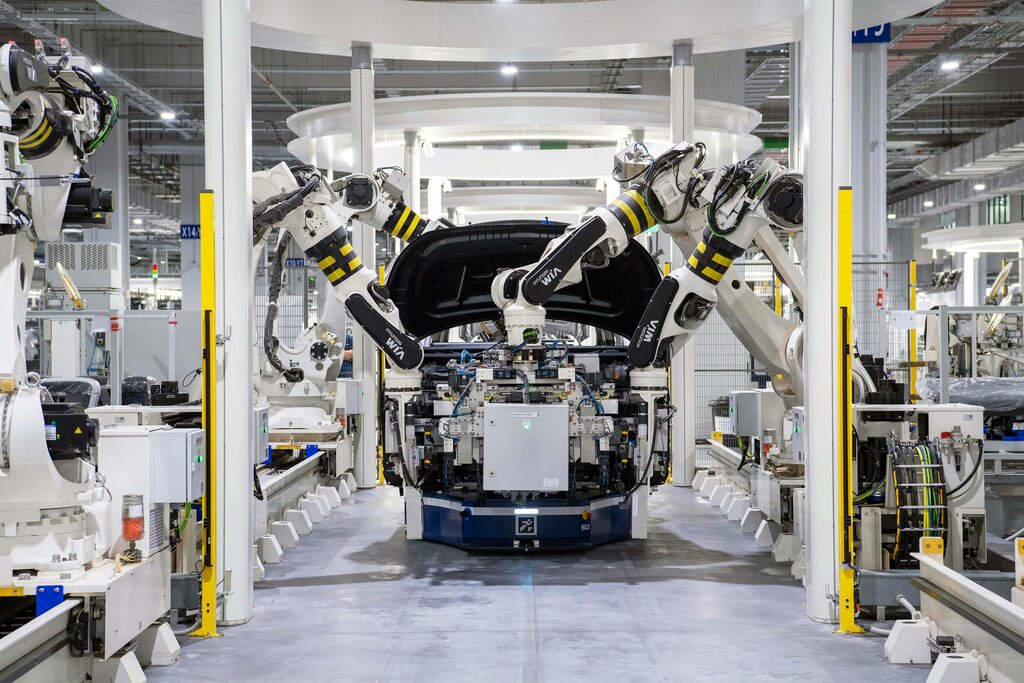
You can see automation in almost every industry. In an office setting, it handles tasks like generating payroll, sorting emails, and creating standard reports. In e-commerce, it manages inventory, processes orders, and sends shipping notifications. Even our daily lives are filled with it, from setting an automatic coffee maker to scheduling bill payments online.
Here are a few common examples:
| Industry | Manual Task | Automated Solution |
|---|---|---|
| Manufacturing | Assembling products by hand | Robotic arms on an assembly line |
| Marketing | Sending individual emails to customers | Automated email campaigns triggered by user actions |
| Finance | Manually reviewing expense reports | Software that scans receipts and flags policy violations |
| Customer Service | Answering common questions | Chatbots that provide instant answers 24/7 |
In each case, the goal is the same: to streamline a workflow by letting technology handle the predictable steps, allowing people to focus on the parts that require human judgment and creativity.