Automate Work with Python AI No-Code
Introduction to Automation
What is Automation?
Think about the last time you did a task over and over. Maybe it was copying and pasting data from a spreadsheet, sending the same email to different people, or renaming a hundred files one by one. These jobs are tedious and time-consuming. Now, what if a machine could do them for you, instantly and without mistakes? That’s the core idea of automation.
Automation
noun
The use of technology to perform tasks that were previously done by humans, especially those that are repetitive and rule-based.
At its heart, automation is about creating a system that can follow a set of instructions without human intervention. You define the rules, and the technology executes them. This isn't just about giant factory robots; automation can be as simple as setting up an automatic bill payment or creating a filter in your email inbox.
The goal isn't to replace humans, but to free them from mundane work. This allows people to focus on tasks that require creativity, critical thinking, and complex problem-solving, skills that machines can't replicate.
The Benefits of Streamlining Work
Automating tasks brings significant advantages. The most obvious is a boost in productivity. When software handles repetitive jobs, it works much faster than a person could, 24 hours a day, without getting tired. This frees up valuable time for more important work.
Accuracy is another key benefit. Humans make mistakes, especially when bored or tired. A well-programmed automated system, on the other hand, will perform a task the exact same way every single time. This reduces errors in everything from data entry to manufacturing, leading to higher quality and more reliable outcomes.
| Benefit | Impact on Work |
|---|---|
| Efficiency | Completes tasks faster, allowing teams to achieve more. |
| Accuracy | Reduces human error, leading to higher-quality results. |
| Consistency | Ensures every task is performed the same way, every time. |
| Cost Savings | Lowers operational costs by optimizing resource use. |
| Employee Focus | Frees up people for strategic and creative work. |
These benefits ripple outwards. When a process is automated, it becomes standardized and easier to manage. This creates a smoother workflow, where different steps in a project connect seamlessly without delays or bottlenecks.
Automation in Action
Automation is already a part of many industries, often working quietly in the background. In manufacturing, robots assemble products with precision and speed. In finance, algorithms process transactions and detect fraud. E-commerce platforms use automation to manage inventory, process orders, and send shipping notifications to customers.
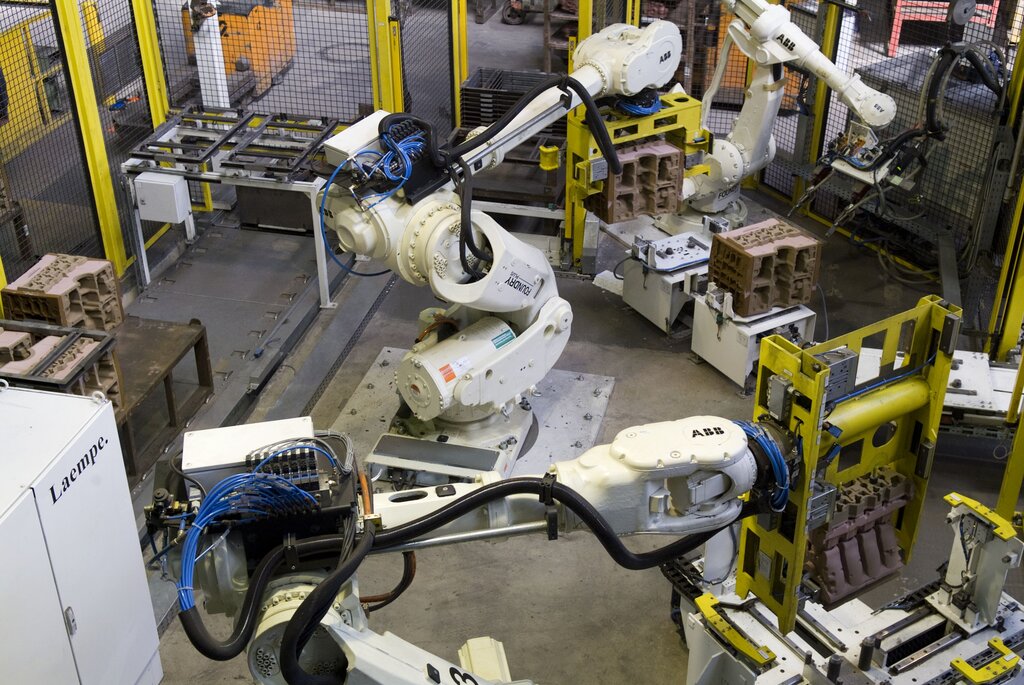
But it's not just for large corporations. A small business might automate its social media posts to go out at specific times. A marketing team could set up a system to automatically send a welcome email to every new subscriber. In customer service, chatbots can answer common questions instantly, allowing human agents to focus on more complex issues. The applications are incredibly broad.
By automating repetitive, time-consuming tasks, businesses can increase efficiency, reduce errors, and focus human resources on more complex and strategic activities.
The first step is always to look at your daily work and ask: what am I doing over and over again? Often, those are the perfect candidates for automation.
Ready to check your understanding?
What is the core idea of automation?
One of the key benefits of automation is improved accuracy, primarily because automated systems do not get tired or bored.
By understanding these fundamentals, you can start to see how automation can streamline processes, not just in large industries, but in your own work as well.