Automate Work with Python AI No Code
Introduction to Automation
What Is Automation?
Automation is about using technology to do tasks that people would otherwise do manually. Think of it like setting an automatic bill payment. Instead of writing and mailing a check every month, a system handles it for you. This simple act saves you time and ensures you don't forget.
The core idea is to take repetitive, predictable tasks off our plates. This frees us up to focus on work that requires creativity, critical thinking, or a human touch. By handing over the routine stuff to machines, we not only gain time but also reduce the chance of human error and increase overall efficiency. A process that once took hours of manual data entry can be completed in seconds, flawlessly, every time.
Essentially, automation streamlines workflows. A workflow is just a series of steps needed to complete a task, and automation makes those steps happen automatically.
A Quick Look Back
Automation isn't a new concept. The industrial revolution was built on it, with machines taking over physical labor on assembly lines. For decades, this is what most people pictured when they heard the word: giant robotic arms in a factory.
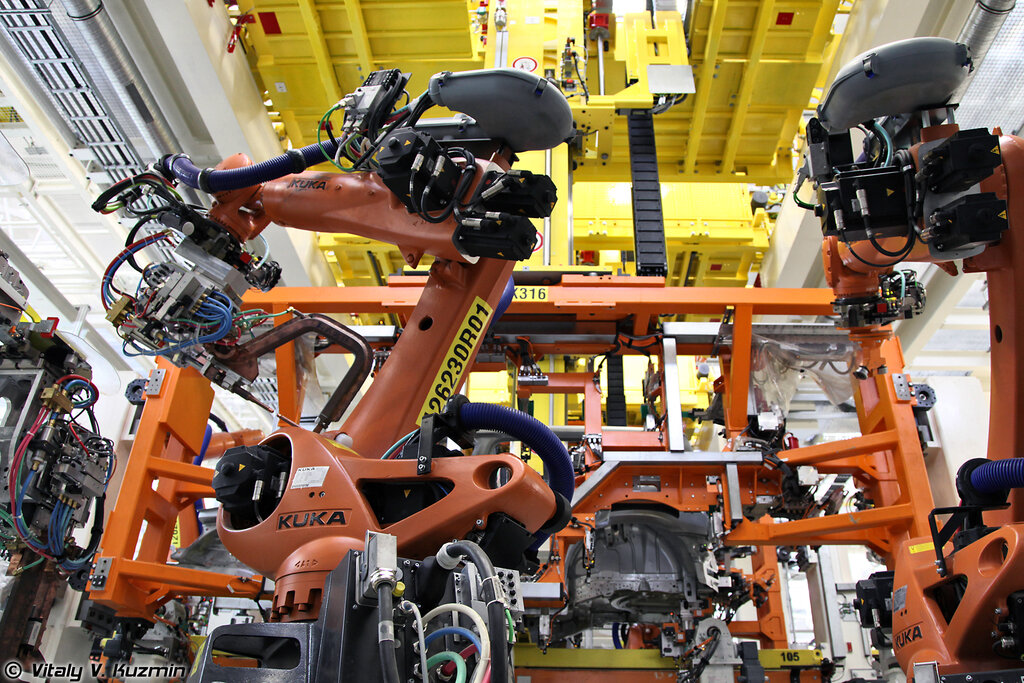
Then came the digital age, and automation moved from the factory floor to the office. Software began to automate digital tasks. But early on, this required deep technical knowledge. You needed to be a programmer to write scripts and build custom software to automate even simple processes. It was powerful but also expensive, time-consuming, and inaccessible to most people.
The No-Code Revolution
Today, that barrier is gone. The biggest change in automation is the rise of no-code and low-code platforms. These tools have democratized automation, putting the power to build complex workflows into the hands of anyone, regardless of their technical skills.
Think of it this way: writing code is like building a house from scratch, brick by brick. It’s highly customizable but requires an architect and a construction crew. Using a no-code platform is like assembling a high-quality prefabricated home. You choose the modules you want and connect them together using a simple visual interface. Low-code platforms are a hybrid, offering pre-built modules but also allowing you to add custom-built rooms if you have the skills.
AI Joins the Team
The latest evolution is the integration of Artificial Intelligence (AI). Traditional automation is great at following a strict set of rules. If A happens, then do B. But what if the situation is more complex?
AI gives automation the ability to handle tasks that require a bit of 'thinking.' Instead of just following rigid instructions, AI-powered automation can understand context, make decisions, and even learn from new information. For example, an AI can read an incoming customer email, understand its sentiment and topic, and automatically route it to the right department—a task that previously required human judgment.
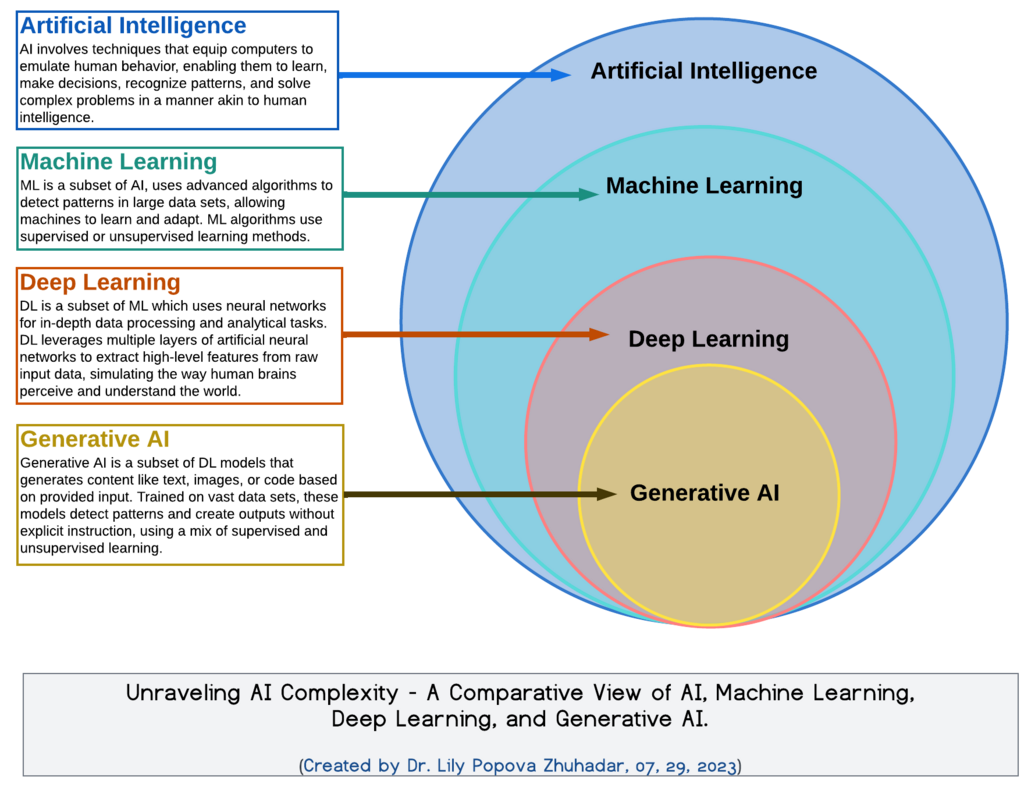
This pairing of AI and automation unlocks a new level of efficiency. It doesn't just automate the predictable; it starts to automate the complex, allowing us to build smarter, more adaptable workflows.
What is the primary goal of automation as described in the text?
According to the text, the biggest recent change that has made automation more accessible is the rise of __________.
This foundation sets the stage for exploring the specific tools and techniques that make modern automation possible.