Automate Work with Python AI No Code
Introduction to No-Code Automation
What Is No-Code Automation?
Think about all the repetitive tasks you do at work. Copying data from an email to a spreadsheet. Sending the same follow-up message over and over. Manually generating a weekly report. These small jobs eat up a lot of time. No-code automation is a way to teach a computer to do these tasks for you, without you having to write any code.
Imagine building with LEGO blocks instead of needing to engineer and mold the plastic yourself. No-code platforms provide pre-built blocks representing actions, like "Send an email" or "Add a row to a spreadsheet." You connect these blocks in a visual, drag-and-drop interface to create a sequence of actions, called a workflow. When a specific event happens, like receiving a new email with an invoice, your workflow runs automatically.
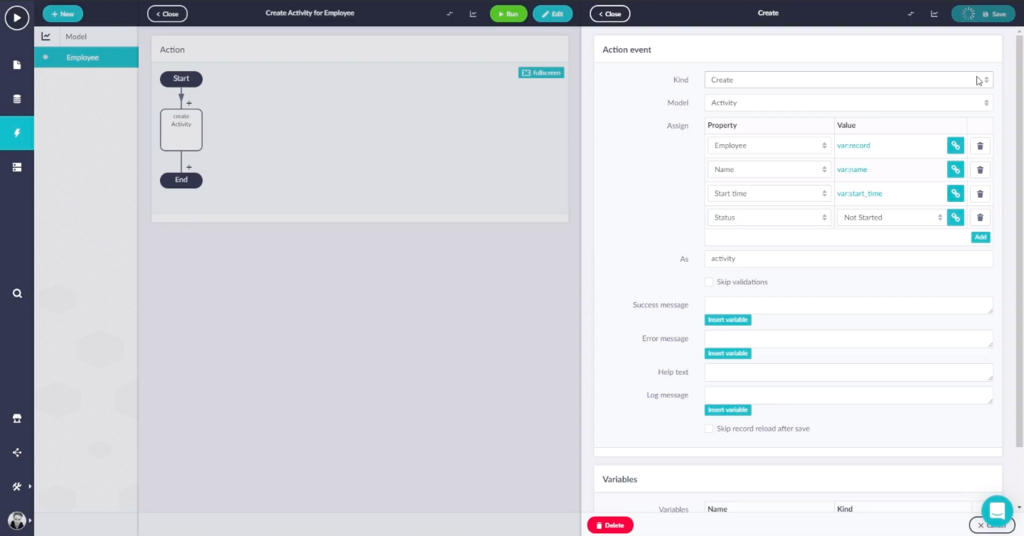
This approach is powerful because it puts automation in the hands of everyone, not just software developers. People who understand a business process best—like marketers, project managers, or HR specialists—can now build their own solutions to make their work easier and more efficient. It democratizes the ability to create and innovate.
No-code automation is transforming the way businesses and individuals streamline their workflows, making technology accessible to everyone, regardless of technical expertise.
From Code to Clicks
Automation isn't a new idea. For decades, developers have written scripts to automate tasks. The problem was that this required deep technical knowledge. If you weren't a programmer, you were out of luck. You had to rely on the IT department, which was often busy with larger projects.
Over time, tools began to emerge that simplified this process. First came low-code platforms, which reduced the amount of code needed but still required some programming skill. The real game-changer was the arrival of true no-code platforms. These tools completely removed the need for coding by offering intuitive, visual interfaces. What once took hundreds of lines of code could now be built in minutes by dragging and dropping a few blocks on a screen.
Why Go No-Code?
The shift toward no-code isn't just a trend; it's driven by clear benefits for businesses and individuals alike. By automating routine work, people can focus on more creative and strategic challenges that require human thought.
Here are some of the key advantages:
- Increased Productivity: Automating repetitive tasks frees up valuable time. A workflow can complete a 10-minute manual task in seconds, and it can run 24/7.
- Reduced Errors: Humans make mistakes, especially when bored or tired. Automated workflows perform the same task perfectly every time, improving data accuracy and consistency.
- Empowerment: Team members no longer have to wait for technical help. They can build the tools they need themselves, leading to faster problem-solving and innovation.
- Cost Savings: Building custom software is expensive and time-consuming. No-code tools offer a much cheaper and faster way to create solutions for specific business needs.
| Task | Manual Process | Automated Process |
|---|---|---|
| Social Media Posting | Login, write post, add image, schedule manually for each platform. | Write post once. Workflow automatically posts to all linked platforms. |
| New Customer Onboarding | Send welcome email, add to CRM, create task for sales rep. | New customer signs up. Workflow sends email, updates CRM, and assigns task. |
| Expense Reporting | Save receipt, fill out form, email to manager for approval. | Forward receipt email. Workflow extracts data, fills form, sends for approval. |
Think of a small business owner who wants to thank every new customer. Doing this manually is time-consuming. With a no-code tool, they can create a simple workflow: when a new customer is added to their payment system, automatically send a personalized "thank you" email. It's a small touch that improves the customer experience, and it runs entirely on its own.
Popular Tools of the Trade
The no-code ecosystem is vast and growing, with tools designed for different kinds of tasks. You don't need to know them all, but it helps to be aware of the main players.
Some of the most popular platforms are designed to connect different web applications. Zapier and Make (formerly Integromat) are leaders in this space. They let you build workflows that link thousands of apps, like Gmail, Slack, Trello, and Google Sheets.
Other tools focus on building applications or databases. Airtable combines the simplicity of a spreadsheet with the power of a database, and it has strong automation features built-in. Bubble allows you to build entire web applications without writing any code.
Each tool has its strengths, but they all share the same core principle: making automation accessible to everyone.
What is the primary goal of no-code automation?
A sales team member manually sends a personalized follow-up email every time a new lead is added to their spreadsheet. Which two benefits of no-code automation are most directly applicable to this situation?
These concepts are the foundation of a powerful new way of working. By understanding what no-code automation is and why it's valuable, you're ready to start thinking about how you can apply it to your own tasks.