Automate Trades With Broker APIs
Introduction to Algorithmic Trading
What Is Algorithmic Trading?
At its core, algorithmic trading is simply using a computer program to buy and sell assets in financial markets. Instead of a human trader watching screens and clicking buttons, a pre-written program executes trades when specific conditions are met.
Think of it like setting a smart thermostat in your home. You don't constantly adjust the temperature yourself. Instead, you give the thermostat a set of rules: if the temperature drops below 68 degrees, turn on the heat; if it goes above 72, turn on the air conditioning. The thermostat follows these rules automatically. An trading algorithm does the same thing, but with financial rules.
Algorithm
noun
A process or set of rules to be followed in calculations or other problem-solving operations, especially by a computer.
These rules can be simple or incredibly complex. A program might be instructed to buy 100 shares of a stock if its price drops by 2% and a specific market index rises by 0.5%. Or it might analyze news articles and social media sentiment in real-time to predict price movements. The possibilities are vast, but the core principle is the same: the computer follows a pre-defined strategy without human intervention.
Algorithmic trading refers to the use of computer programs that follow defined sets of instructions (algorithms) to execute trades at speeds and frequencies impossible for human traders.
From Trading Pits to Pixels
For a long time, financial markets were chaotic, physical places. Traders stood in crowded “pits,” shouting orders and using complex hand signals to communicate. Fortunes were made and lost based on who could yell the loudest or catch another trader’s eye at the right moment.
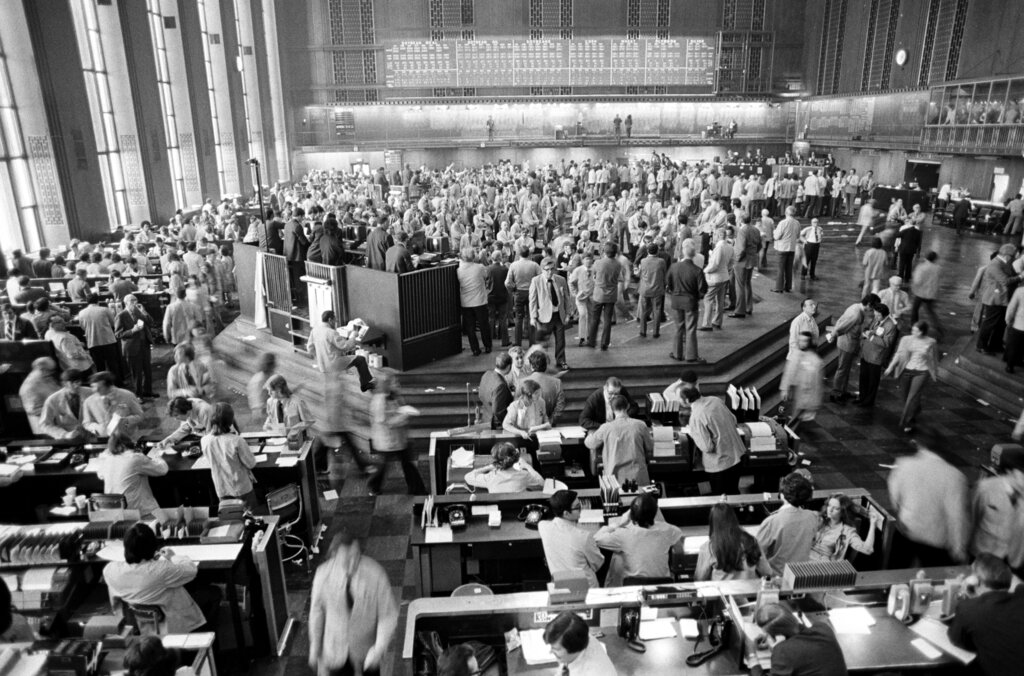
This manual system, known as “open-outcry,” was slow and prone to human error. It was also limited by human capacity. A trader could only focus on a few assets at a time and was susceptible to emotional decisions driven by the energy of the trading floor.
The rise of computers and the internet changed everything. In the 1980s and 90s, exchanges began shifting to electronic trading. Suddenly, orders could be placed from a computer terminal anywhere in the world, and markets became global and interconnected. This technological leap paved the way for automation. Why have a human click the button when a computer could do it faster and more reliably?
The Advantages of Automation
Using algorithms to trade offers several powerful advantages over manual methods. The most obvious is speed. An algorithm can analyze market data and execute a trade in microseconds, a speed far beyond human capability. In markets where prices change in fractions of a second, this is a massive edge.
Algorithms also eliminate the emotional rollercoaster of trading. A computer program doesn't feel fear when prices fall or greed when they rise. It sticks to its programmed logic, ensuring discipline and consistency.
Furthermore, algorithms can process and analyze enormous amounts of data simultaneously. A single program can monitor thousands of different stocks, currencies, and commodities across multiple exchanges, looking for trading opportunities that a human would never be able to spot. They can also test a trading idea on decades of historical data in minutes—a process called backtesting—to see how it would have performed before risking a single dollar.
| Feature | Manual Trading | Algorithmic Trading |
|---|---|---|
| Speed | Seconds to minutes | Microseconds to milliseconds |
| Accuracy | Prone to human error | High precision, follows rules exactly |
| Data Processing | Limited to a few markets | Can monitor thousands of markets |
| Emotional Bias | High (fear, greed) | None |
| Consistency | Can vary with mood/focus | Executes strategy flawlessly every time |
Algo Trading Today
Today, algorithmic trading isn't a niche strategy; it is the market. It's estimated that algorithms are responsible for the vast majority of trades on major stock exchanges. From large investment banks executing million-share orders to small retail traders automating their personal strategies, algorithms are everywhere.
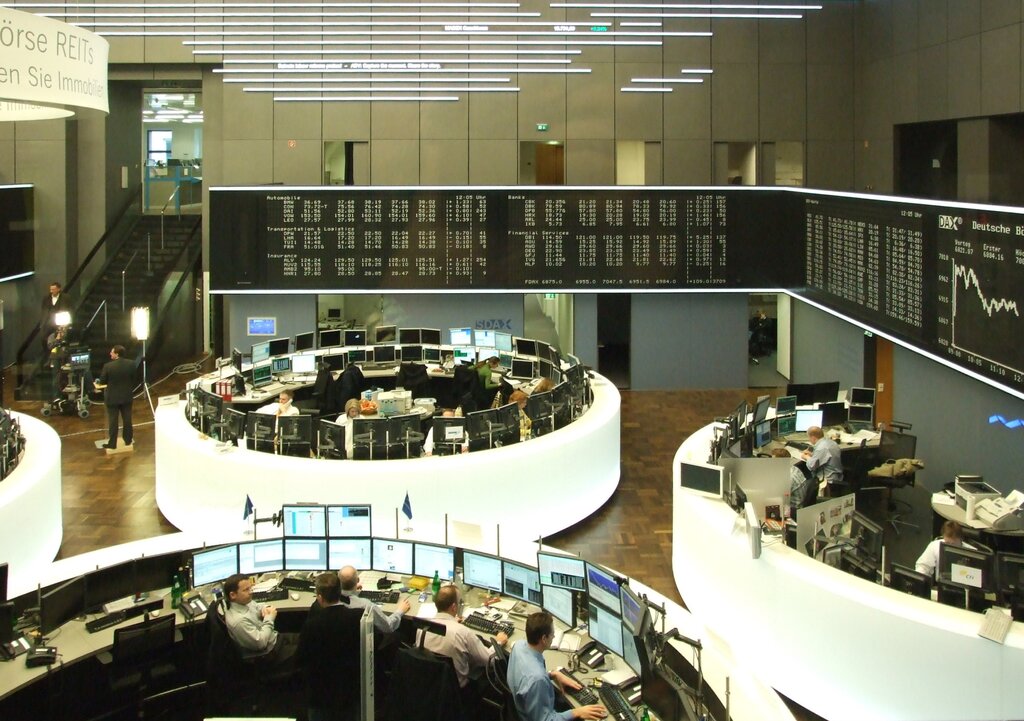
This has fundamentally changed how markets behave. They are now faster, more interconnected, and more efficient than ever before. The rise of machine learning and artificial intelligence is pushing the boundaries even further, with algorithms that can learn and adapt their strategies in real-time. The era of the shouting trader in the pit is over, replaced by the quiet, lightning-fast hum of servers executing code.
Let's review the main concepts from this introduction.
Now, check your understanding with a few questions.
What is the core principle of algorithmic trading?
The provided text compares algorithmic trading to a smart thermostat. What is the key similarity between the two?
By understanding the basics of algorithmic trading, you're better equipped to grasp the dynamics of modern finance. It's a world built on logic, speed, and data.