Automate Inventory with Computer Vision
Introduction to Computer Vision
Teaching Machines to See
At its core, computer vision is a field of artificial intelligence that trains computers to interpret and understand the visual world. Using digital images from cameras and videos, machines can identify and locate objects, then react to what they “see.” It’s the science of making computers see, just like humans do.
Computer vision is the field of computer science that focuses on creating digital systems that can process, analyze, and make sense of visual data (images or videos) like humans do.
This isn't a new idea. The quest to give machines sight began in the 1960s, not long after the first digital computers were built. Early projects were simple, often involving blocky, idealized worlds where a computer might try to identify a cube or a pyramid. The technology was limited, but the ambition was enormous.
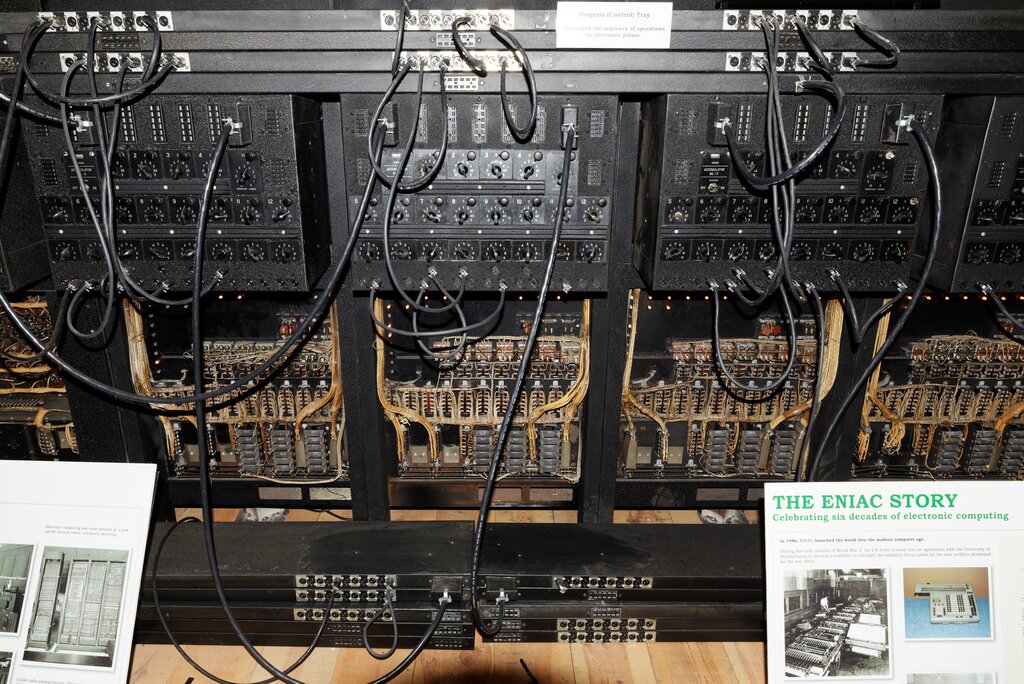
Progress accelerated with improvements in computing power and the availability of vast amounts of digital images. Today, computer vision is a part of everyday life, woven into the technology we use constantly.
Vision in Action
Computer vision has applications across nearly every industry. In healthcare, it helps doctors analyze medical scans like X-rays and MRIs, spotting signs of disease that might be missed by the human eye. In automotive technology, it's the key to self-driving cars, allowing them to perceive road lanes, other vehicles, pedestrians, and traffic signs.
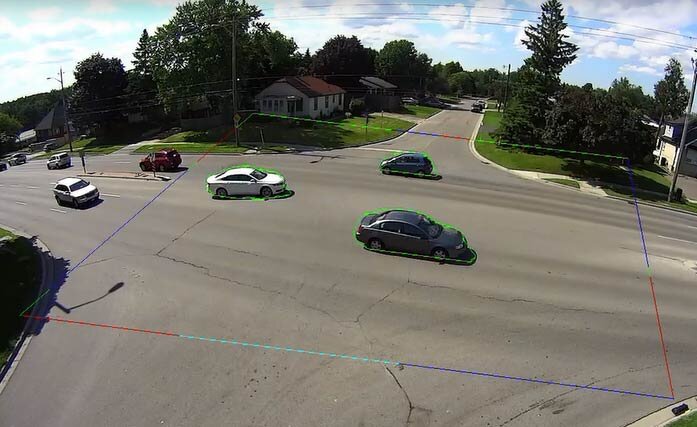
It’s also used in security for facial recognition, in agriculture for monitoring crop health from drones, and in retail for creating checkout-free stores. The common thread is the ability to extract meaningful information from visual inputs, turning a stream of pixels into actionable data.
How a Computer Sees
For a computer, an image isn't a holistic picture. It's a grid of tiny dots called pixels. Each pixel has a value representing its color and brightness. To make sense of this grid, computer vision systems use image processing techniques to identify patterns and features.
A computer sees an image as a matrix of numbers. Each number corresponds to the brightness or color of a single pixel.
One of the first steps is often simplifying the image. For example, a color image can be converted to grayscale. This reduces complexity by turning three color channels (red, green, and blue) into a single channel for brightness. While this loses color information, it makes it easier for an algorithm to find shapes and outlines.
Another basic technique is edge detection. Algorithms scan the pixel grid looking for abrupt changes in brightness. These changes often correspond to the edges of objects. By identifying these edges, the computer can start to piece together the shapes and forms within the image, which is a fundamental step toward object recognition.
What is the primary goal of computer vision?
According to the text, which of these is an example of an early computer vision task?
These foundational concepts are the building blocks that enable computers to perform much more complex visual tasks.