Automate Inventory with Computer Vision
Introduction to Computer Vision
What Is Computer Vision?
At its core, computer vision is the science of teaching computers to see and interpret the visual world. Just as our eyes and brain work together to understand what's around us, computer vision uses cameras and algorithms to recognize and process images and videos.
Computer vision is a branch of artificial intelligence (AI) that enables machines to interpret and analyze visual data from the world around them.
Think of it like this: you can glance at a photo and instantly identify a dog, a tree, and a car. For a computer, that same photo is just a collection of pixels, or tiny dots of color. Computer vision gives the machine the tools to analyze those pixels, find patterns, and ultimately understand the content of the image, much like we do.
A Quick Look Back
The idea of giving sight to machines isn't new. The field began in the 1960s with early experiments attempting to mimic the human visual system. Researchers tried to get computers to identify simple objects in controlled environments. Progress was slow, as computers lacked the processing power and data needed for such a complex task.
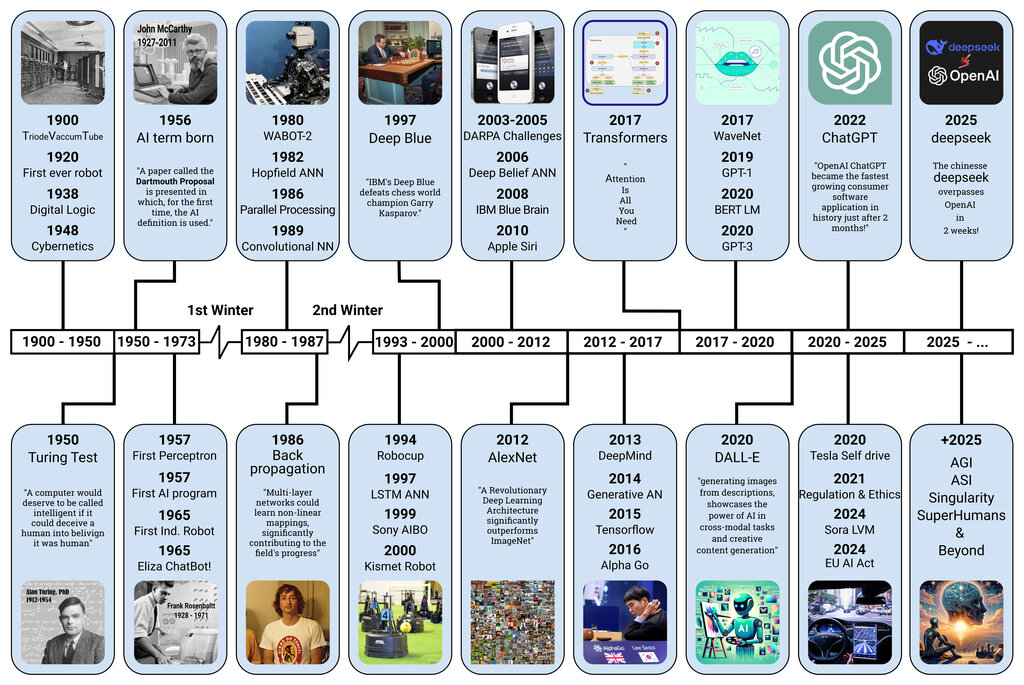
The real breakthrough came with two major developments: the internet, which provided a massive library of images to learn from, and the rise of deep learning, a type of artificial intelligence. With vast datasets and powerful algorithms, computers could finally start learning to recognize visual patterns with impressive accuracy. This combination supercharged the field, leading to the rapid advancements we see today.
How Computers Process Images
To a computer, a digital image is nothing more than a grid of numbers. Each number represents a pixel, the smallest unit of an image. In a color image, each pixel typically has three values: one for red, one for green, and one for blue (RGB). The combination of these values creates all the colors we see.
Image processing is the first step in computer vision. It involves applying algorithms to this grid of numbers to prepare the image for analysis. Common steps include:
- Grayscale Conversion: Simplifying the image by converting color pixels to shades of gray. This reduces complexity and helps in tasks like edge detection.
- Feature Extraction: Identifying important points, lines, or shapes in the image. This could mean finding corners, edges, or textures that define an object.
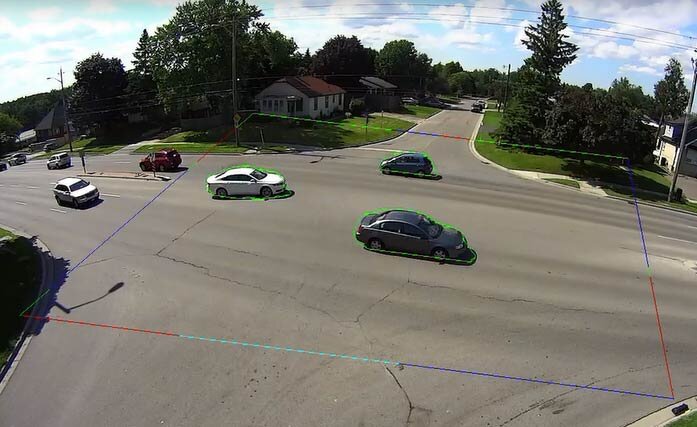
- Segmentation: Dividing the image into different regions or objects. For instance, in a picture of a street, segmentation would separate the cars from the road and the buildings.
Through these steps, a computer transforms a complex visual scene into structured data it can analyze and understand.
Computer Vision in Action
Computer vision is already a part of our daily lives in many ways. You’ve likely encountered it without even realizing it. Some key applications include:
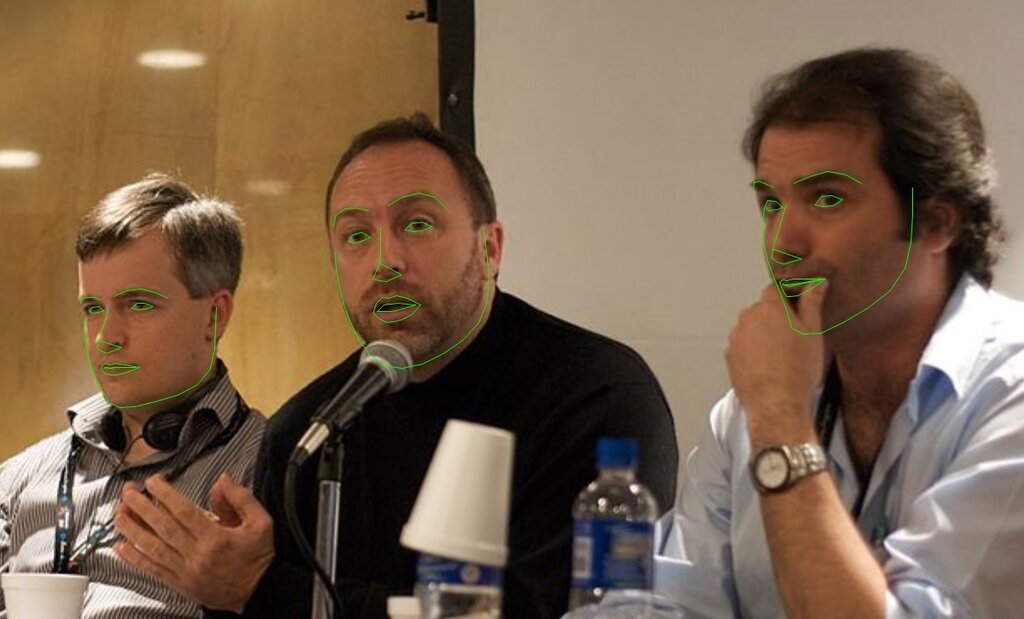
Facial Recognition: Unlocking your smartphone or tagging friends in photos on social media are common examples. The system detects faces and identifies unique features to recognize who is in the picture.
Automotive Safety: Modern cars use computer vision to power features like lane departure warnings, automatic emergency braking, and pedestrian detection. Cameras constantly monitor the road, identify potential hazards, and alert the driver or take action.
Healthcare: In medicine, computer vision helps doctors analyze medical images like X-rays, CT scans, and MRIs. It can assist in spotting tumors, identifying diseases, and making diagnoses faster and more accurate.
Retail: Stores are beginning to use cameras to create checkout-free shopping experiences. The system sees what items you take from the shelf and automatically charges you as you leave.
What is the primary goal of computer vision?
Which two developments were most critical for the recent rapid advancement of computer vision?
These applications are just the beginning. As the technology continues to evolve, computer vision will play an even bigger role in how we interact with the world.