Automate Inventory with Computer Vision
Introduction to Computer Vision
Giving Computers the Gift of Sight
Humans see the world and understand it instantly. We recognize faces, read text, and navigate complex spaces without a second thought. Computer vision is the field of artificial intelligence that trains computers to do the same thing: to interpret and understand the visual world. Using digital images from cameras and videos, machines can identify and process objects, then react to what they “see.”
Computer vision is the field of computer science that focuses on creating digital systems that can process, analyze, and make sense of visual data (images or videos) like humans do.
But how does a machine, which thinks in numbers, learn to see? It all starts with the basic building block of any digital image: the pixel.
An Image is a Grid of Numbers
To a computer, a picture isn't a single entity. It's a massive grid of tiny dots called pixels. Each pixel has a value that represents its color and brightness. For a simple black and white image, that value might be a single number, like 0 for black and 255 for white, with all the shades of gray in between.
For a color image, each pixel usually has three numbers: one for red, one for green, and one for blue (the RGB model). By mixing these three primary colors in different amounts, a computer can represent millions of different shades. So, a vibrant red apple in a photo is just a collection of pixels where the 'red' value is very high.
Basic image processing involves manipulating these pixel values. To make an image brighter, a program simply increases the value of every pixel. To increase contrast, it makes the dark pixels darker (lower values) and the light pixels lighter (higher values). This numerical foundation is how all complex visual analysis begins.
Extracting Key Features
A computer can't make sense of a million raw pixel values. It needs to simplify the image by identifying its most important parts, or features. Feature extraction is the process of finding these meaningful patterns in the pixel data.
What makes a feature important? Think about how you'd describe a car to someone. You wouldn't list the color of every single pixel. Instead, you'd mention its general shape, the circles of the wheels, and the rectangles of the windows. These are the features a computer looks for, too.
Common features include edges (where brightness changes sharply), corners (where edges meet), textures, and specific colors or shapes.
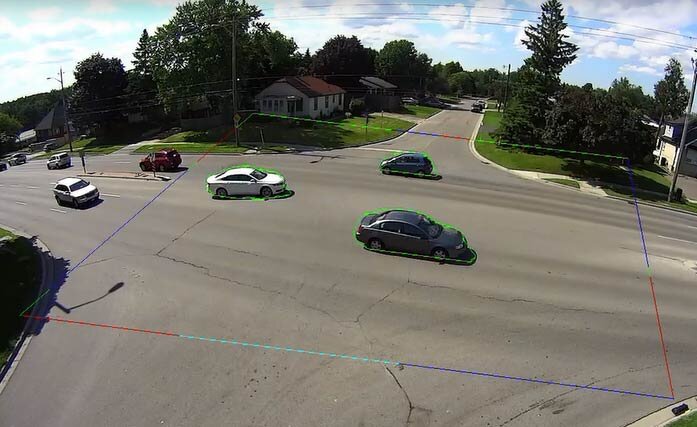
By running algorithms that scan for abrupt changes in pixel values, a computer can map out the edges and corners of objects in an image. This transforms the complex grid of numbers into a much simpler, more useful map of the scene's structure.
Recognizing the Bigger Picture
Once the features have been extracted, the final step is pattern recognition. The system takes the collection of simplified features—the edges, shapes, and textures—and tries to match them to known objects. It's like putting together a puzzle.
A collection of four lines and four right angles might be recognized as a rectangle. A round shape on top of a rectangular one might be identified as a person. The system learns these patterns by being trained on vast libraries of labeled images. It sees thousands of pictures of cats, for example, until it learns the specific combination of features (pointy ears, whiskers, feline eyes) that mean "cat."
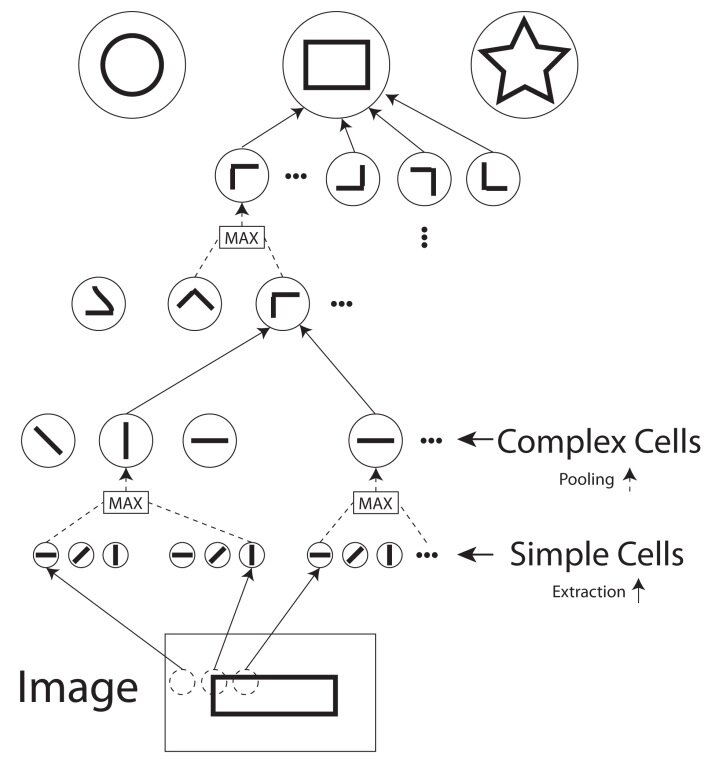
This ability to go from raw pixels to abstract concepts is the core of computer vision. It's what allows a self-driving car to distinguish a pedestrian from a lamppost, or a medical system to spot abnormalities in an X-ray.
From online shopping and security systems to scientific research and manufacturing, computer vision is giving machines a new way to interact with and understand the world around us. By processing pixels, extracting features, and recognizing patterns, we are slowly but surely teaching computers how to see.
How does a computer represent a color image at its most fundamental level?
What is the primary goal of the feature extraction step in computer vision?