Automate Inventory with Computer Vision
Introduction to Computer Vision
Teaching Computers to See
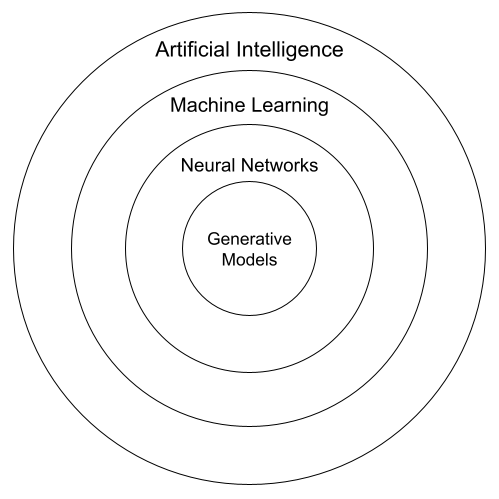
Computer vision is a field of artificial intelligence that trains computers to interpret and understand the visual world. Using digital images from cameras and videos, machines can accurately identify and locate objects, then react to what they “see.”
Computer vision is a branch of artificial intelligence (AI) that enables machines to interpret and analyze visual data from the world around them.
Think about how we, as humans, see. Our eyes capture light, and our brain processes that information to recognize a face, read a book, or dodge a moving car. Computer vision aims to replicate this process. A camera acts as the “eyes,” and complex algorithms act as the “brain,” making sense of the visual data.
This technology allows a computer to do more than just store an image as a grid of pixels. It enables the machine to extract meaningful information, like identifying a specific product on a shelf, counting the number of people in a crowd, or spotting a flaw in a manufactured part.
A Brief History
The idea of creating an artificial vision system has been around for decades. Early experiments in the 1960s tried to link cameras to computers to detect simple edges and shapes. However, these systems were limited by a lack of computing power and data.
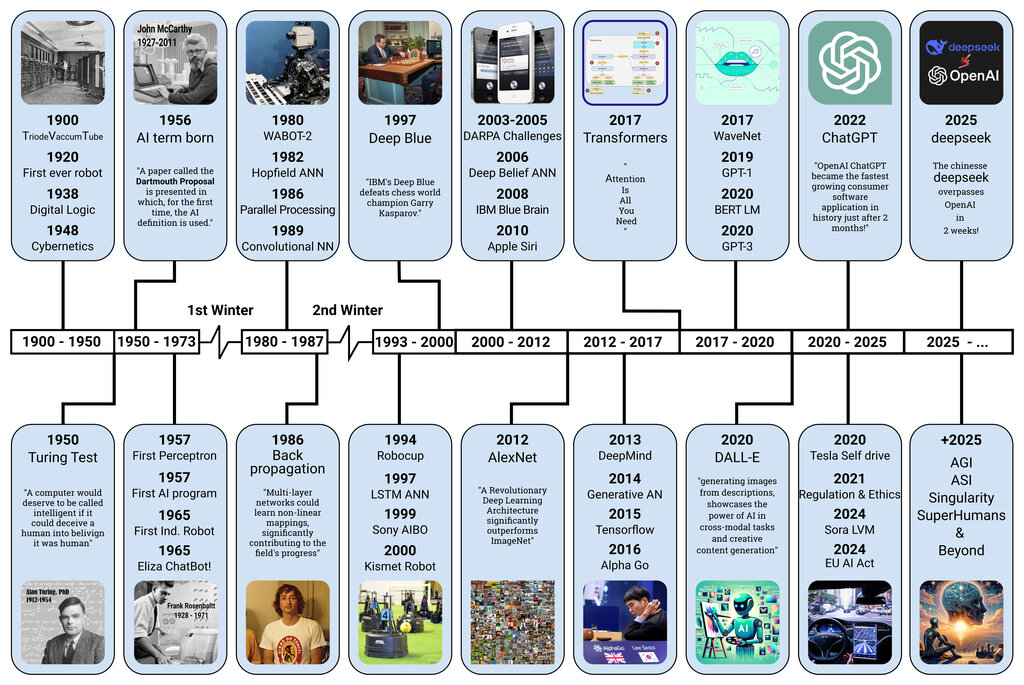
The real breakthrough came with the rise of machine learning and, more recently, deep learning in the 2010s. With massive datasets and powerful processors, scientists could train highly complex models, known as neural networks, to recognize patterns with incredible accuracy. This advancement transformed computer vision from a niche academic pursuit into a powerful, widely used technology.
How Does It Work?
At its core, the computer vision process can be broken down into three main stages: acquiring an image, processing the image, and analyzing it to draw conclusions.
1. Image Acquisition: This is the starting point. An image or a sequence of images (video) is captured by a device like a digital camera, a smartphone, or a specialized sensor. The quality of this data is crucial for the success of the following steps.
2. Image Processing: Once an image is acquired, it's often pre-processed to enhance it for the machine. This might involve converting a color image to grayscale to simplify it, adjusting brightness and contrast, or using filters to sharpen edges. The goal is to reduce complexity and highlight the most important features for analysis.
3. Image Analysis: This is the most complex stage, where the computer actually makes sense of the processed image. Using trained algorithms, the system performs tasks like:
- Classification: Deciding what category an image belongs to (e.g., “this is a cat”).
- Object Detection: Identifying and locating specific objects within an image (e.g., “there is a car at these coordinates”).
- Segmentation: Dividing an image into segments to simplify it or to identify the exact pixels that belong to each object.
Computer Vision in the Real World
Computer vision is no longer science fiction. It's a technology that powers countless applications we use every day and drives innovation across major industries.
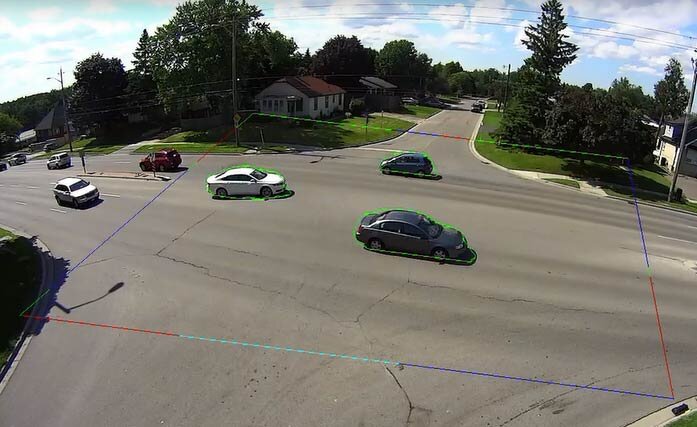
In healthcare, it helps doctors analyze medical scans like X-rays and MRIs, leading to faster and more accurate diagnoses. In the automotive industry, it's the backbone of self-driving cars, allowing them to perceive lanes, traffic lights, pedestrians, and other vehicles.
In retail, computer vision automates inventory management by monitoring shelves to see which products are running low. It can also analyze foot traffic patterns to help stores optimize their layouts. By enabling computers to see and understand their surroundings, this technology is making processes more efficient, accurate, and intelligent.
What is the primary goal of computer vision?
A developer converts images to grayscale and sharpens edges before the main analysis. Which stage of the computer vision process does this describe?
Now that you have a grasp of the basics, you're ready to see how these concepts are applied in the real world.