Automate Inventory with Computer Vision
Introduction to Computer Vision
Teaching Computers to See
At its core, computer vision is a field of artificial intelligence that teaches computers to interpret and understand the visual world. Using digital images from cameras and videos, machines can identify and classify objects, and then react to what they “see.” It’s the science of making computers see, not just as a camera records light, but with a level of understanding, much like a person.
Computer vision is the field of computer science that focuses on creating digital systems that can process, analyze, and make sense of visual data (images or videos) like humans do.
Think about how effortlessly you can spot a friend in a crowd, read a sign, or tell a cat from a dog. For a computer, these tasks are incredibly complex. They don’t see pictures; they see a massive grid of numbers. Each number represents a single dot, or pixel, and describes its color and brightness. The first step in computer vision is processing this raw data to make it more useful.
From Pixels to Objects
An image is just a collection of pixels. To make sense of it, a computer vision system first performs basic image processing. This might involve converting an image to grayscale to simplify the data, adjusting contrast to make features stand out, or blurring the image slightly to remove unimportant visual noise. These steps prepare the image for the main event: finding what’s inside it.
This process is called object detection. The goal is not just to say, “There is a box in this image,” but to pinpoint exactly where it is by drawing a bounding box around it and classifying what it is. To do this reliably, the system needs to learn what different objects look like.
This is where machine learning comes in. A computer vision model is trained by showing it thousands or even millions of images that have been labeled by humans. For an inventory system, this would mean feeding it countless pictures of products, with each one tagged: “this is a can of soup,” “this is a box of cereal.” Over time, the model learns to recognize the patterns, textures, and shapes associated with each item on its own.
Computer vision systems improve over time through machine learning, becoming more accurate and efficient as they are exposed to more data.
Applications in Inventory
Manually counting items in a large warehouse or retail store is slow, expensive, and prone to error. Computer vision automates this entire process. Instead of people with clipboards, you can have cameras that constantly monitor the shelves.
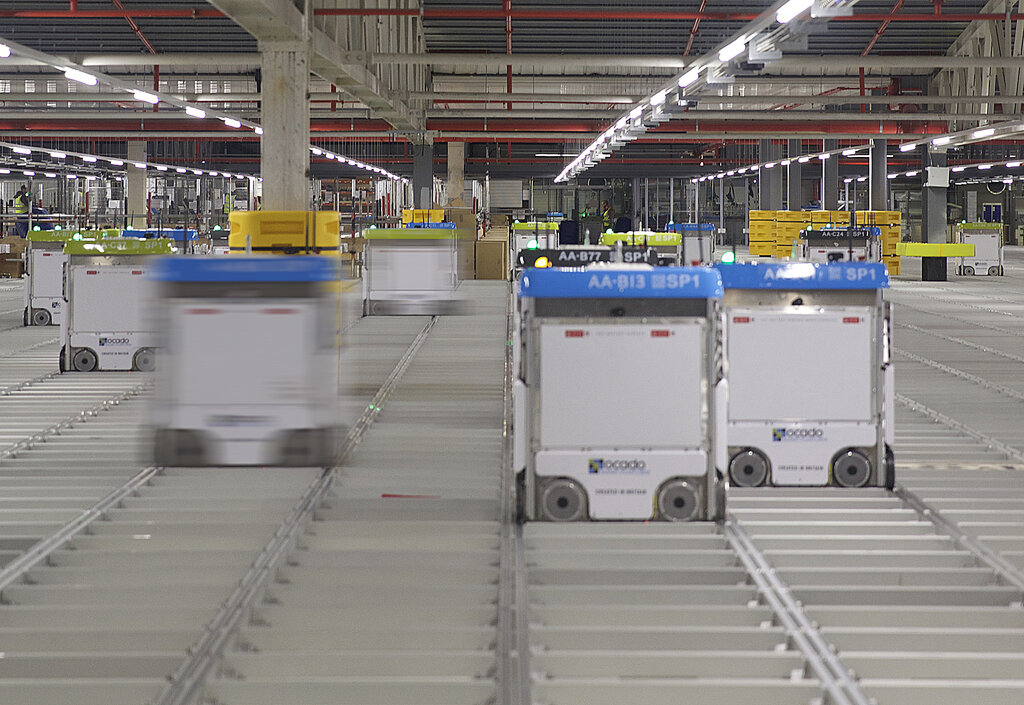
These systems can automatically identify each product, count how many are on the shelf, and check the numbers against a database. When stock levels for an item drop below a certain threshold, the system can automatically trigger an alert for an employee to restock the shelf or even place a new order with the supplier. This ensures shelves are never empty and reduces the risk of lost sales.
When stock levels fall below a predefined threshold, computer vision systems can automatically trigger alerts for restocking.
This technology also helps with quality control by spotting damaged goods and ensures products are in the right place, improving overall organization and efficiency. By turning a simple camera feed into actionable data, computer vision is transforming how businesses manage their inventory.