AutoCAD 3D Stormwater Design
Introduction to Stormwater Management
What is Stormwater Management?
When rain falls or snow melts, the water that flows over the ground is called stormwater. In undeveloped areas like forests and fields, most of this water soaks into the ground, a process called infiltration. It replenishes groundwater, sustains plant life, and moves slowly toward rivers and streams.
Stormwater management is the practice of controlling this runoff. Its main goals are to prevent flooding, reduce soil erosion, and stop pollutants from washing into our waterways. Think of it as designing a system that works with nature to handle the water that land can no longer absorb on its own.
Effective management isn't just about getting rid of water; it's about slowing it down, cleaning it, and letting it soak into the ground wherever possible.
How Urbanization Changes Everything
As we build cities and suburbs, we replace porous surfaces like soil and vegetation with impervious ones like pavement, rooftops, and concrete. This dramatically alters the natural water cycle.
With less ground for water to soak into, the volume and speed of runoff increase dramatically. This leads to several problems:
- Flooding: Sewer systems can be overwhelmed, causing water to back up into streets and properties.
- Erosion: Fast-moving water carves away at stream and river banks, destroying habitats and weakening infrastructure like bridges.
- Pollution: Runoff picks up everything from oil and fertilizers to litter and bacteria, carrying these pollutants directly into our water bodies.
Following the Rules
Because of these risks, civil engineering projects must follow strict regulatory standards. These rules are set by local, state, and federal agencies to ensure new developments don't worsen flooding or pollution.
Engineers must design systems that can safely manage a specific amount of rainfall, often referred to as a "design storm." For example, a system might be designed for a "25-year storm," which is a rainfall event of an intensity that has a 1 in 25 (or 4%) chance of occurring in any given year. This ensures that infrastructure is resilient and communities are protected.
Understanding local climate and rainfall patterns is critical in determining the capacity and design of the storm drainage system.
Common Management Practices
There are many ways to manage stormwater. The approach often depends on the project's size, location, and local regulations. Here’s a quick overview of common strategies:
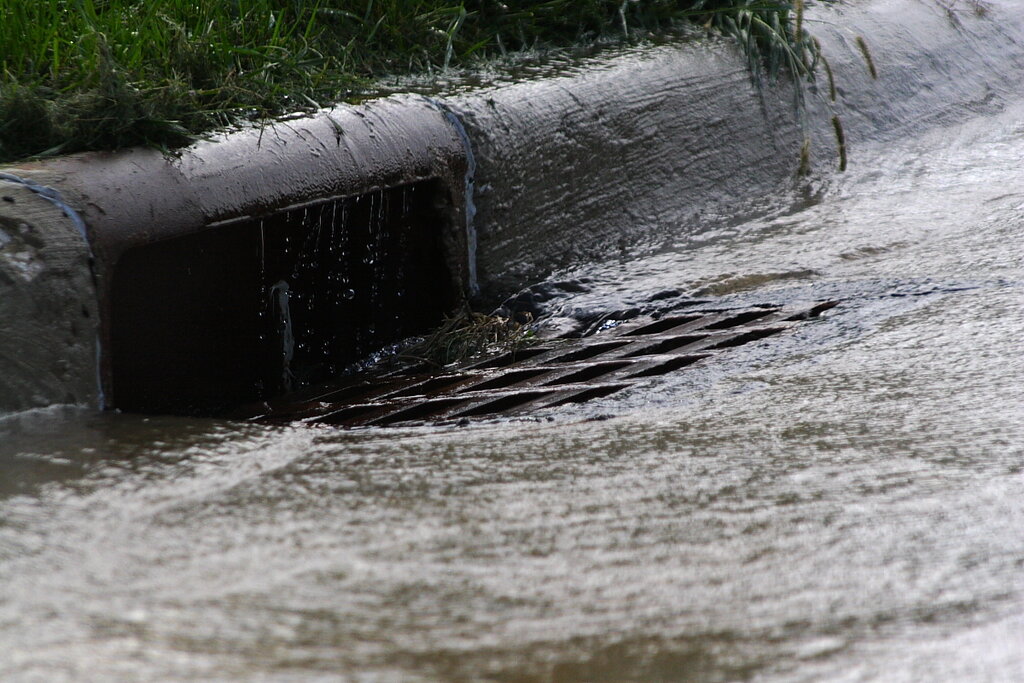
- Conveyance Systems: These are the traditional pipes, channels, and storm drains that collect runoff and move it to a discharge point. They are designed to prevent flooding by getting water out of an area quickly.
- Detention and Retention: Detention basins (dry ponds) and retention ponds (wet ponds) are designed to store runoff temporarily. Storing the water allows pollutants to settle out and reduces the peak flow, releasing the water slowly to prevent downstream flooding.
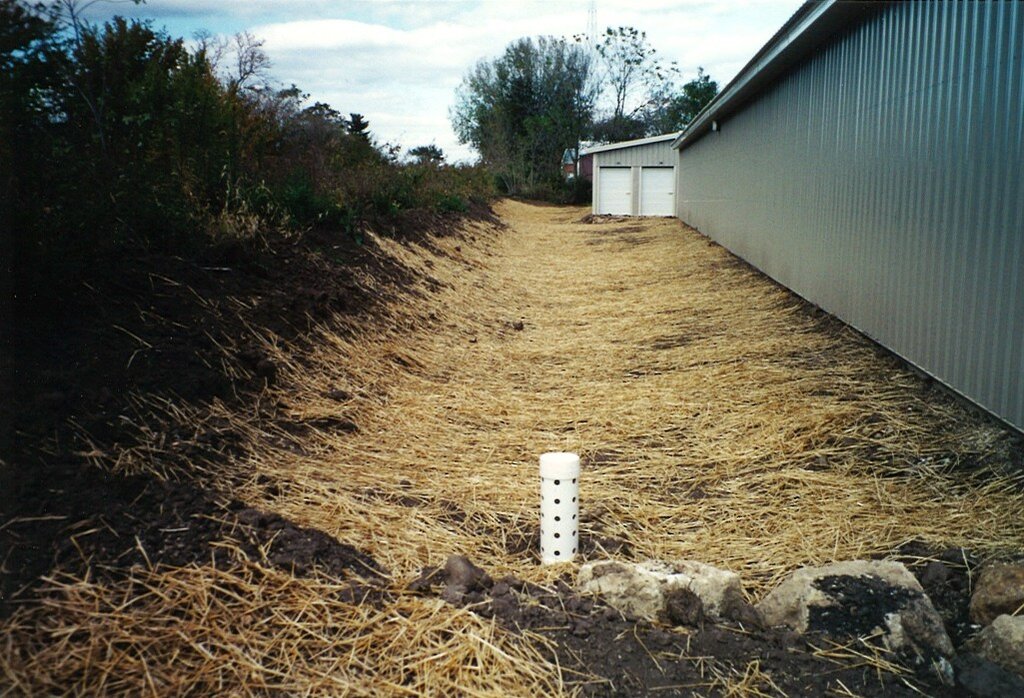
- Green Infrastructure: This modern approach uses vegetation, soils, and natural processes to manage water. Examples include rain gardens, permeable pavements, and green roofs. These methods focus on letting water soak into the ground, filtering pollutants, and reducing the total volume of runoff.
Understanding these core principles is the first step for any engineer. It provides the foundation for designing systems that are not only compliant but also effective and sustainable.