Autism Research YouTube Channel Launch
Understanding Autism Research
A Brief History of Autism Research
The story of autism research begins in the 1940s. Two researchers, Leo Kanner and Hans Asperger, working independently, described children who shared similar traits: difficulties with social interaction, intense interests, and a preference for routine. For decades, their work formed the basis of our understanding.
Early theories were often misguided and harmful. One prominent idea was the “refrigerator mother” theory, which blamed cold, unemotional parenting for a child’s autism. This theory was not based on evidence and caused immense guilt and pain for families. Thankfully, science has since moved on.
By the 1970s and 80s, research began to show that autism was a biological condition with genetic roots, not the result of parenting. This was a major turning point, shifting the focus from blame to understanding the brain.
The Shift to Neurodiversity
More recently, another significant shift has occurred: the rise of the neurodiversity movement. This perspective suggests that brain differences, like those seen in autism, are a natural part of human variation. Autism isn't something to be cured, but a different way of thinking, sensing, and experiencing the world.
A pro-neurodiversity lens changes the questions researchers ask. Instead of focusing solely on deficits and trying to make autistic people appear “normal,” the research shifts. It starts to explore how to best support autistic individuals, what environmental changes can improve quality of life, and what unique strengths are associated with autistic ways of thinking.
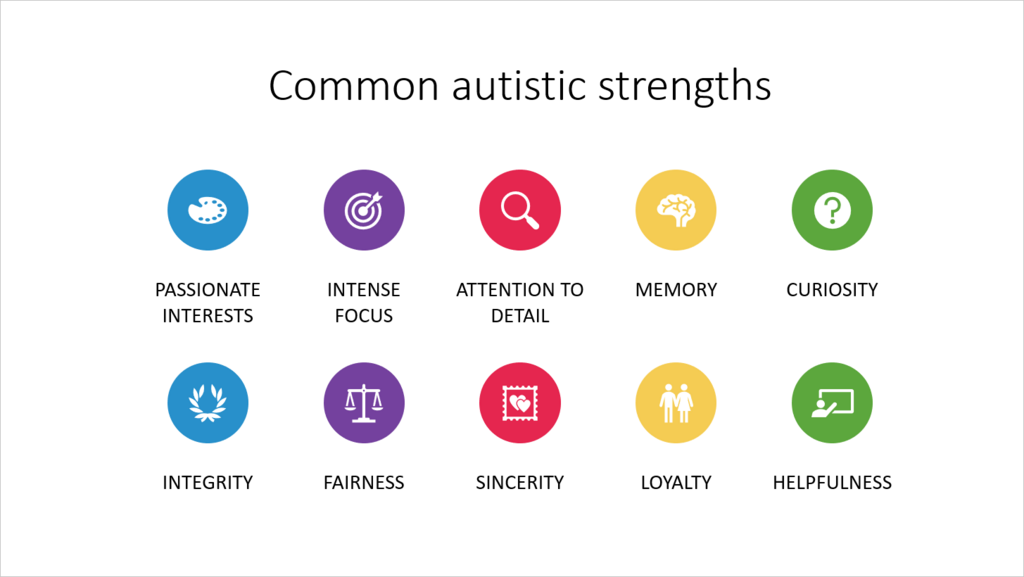
This approach honors the lived experiences of autistic people and often involves them in the research process itself, a principle known as “nothing about us without us.” Understanding this perspective is key to evaluating modern autism research.
How to Read a Research Paper
When you encounter a study about autism, it's important to know how to read it critically. Peer-reviewed articles, which are vetted by other experts in the field, are the gold standard. They typically follow a standard structure.
| Section | What It Is | What to Look For |
|---|---|---|
| Abstract | A short summary of the entire paper. | The main question and the key finding. It's the trailer for the movie. |
| Introduction | Background information on the topic. | Why the study was done. Does it build on previous work? |
| Methods | How the researchers conducted the study. | Who participated? What did they do? Is the process clear and repeatable? |
| Results | The raw data and findings, without interpretation. | Just the facts. Look for charts, graphs, and statistical information. |
| Discussion | The researchers' interpretation of the results. | What do the findings mean? What are the study's limitations? What's next? |
Beyond the structure, the language used in a study can tell you a lot about its perspective. Identifying a neurodiversity-affirming study involves looking for specific clues in the framing and terminology.
Ask yourself: Does the study use identity-first language (e.g., "autistic person") preferred by many in the community, or person-first language ("person with autism")? Does it talk about challenges and support, or deficits and disorders? Are autistic people participants in the research design, not just subjects?
Studies that respect and center the autistic experience will often focus on topics like improving communication access, understanding sensory sensitivities, or promoting well-being and autonomy. They frame autism as a difference, not a disease.
Ready to check your understanding? Let's see what you've learned.
Who were the two researchers who, working independently in the 1940s, first described the traits that would later be known as autism?
The "refrigerator mother" theory accurately identified cold, unemotional parenting as the primary cause of autism.
By learning to read research with a critical, informed eye, you can better understand the evolving science of autism and separate helpful findings from outdated ideas.