Authentic Sri Lankan Dhal Curry
Sri Lankan Pantry Essentials
The Heart of the Curry
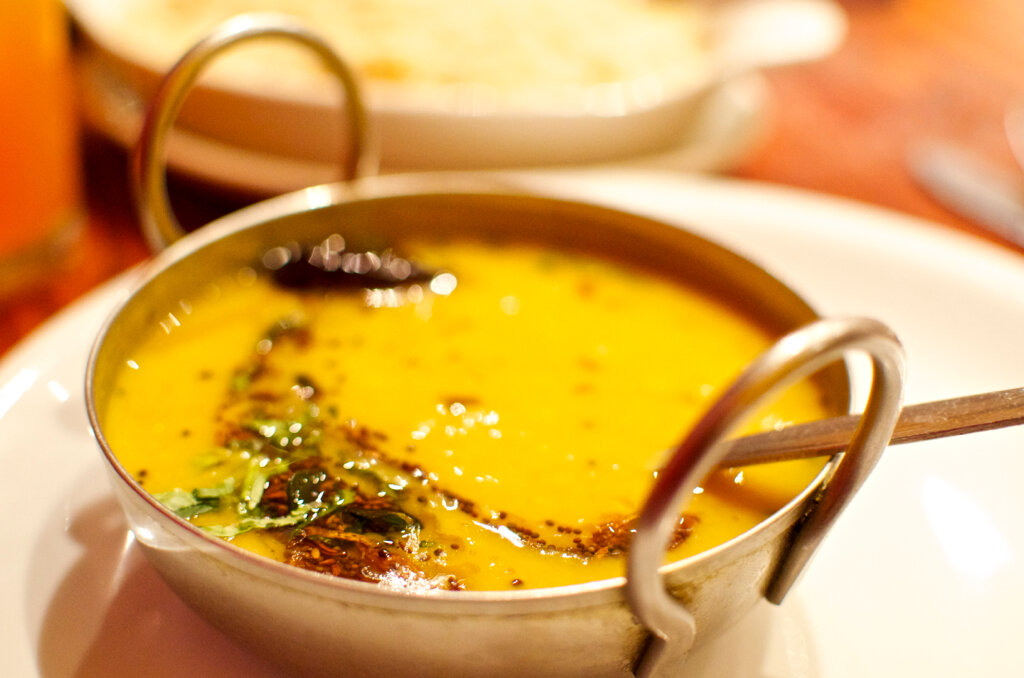
The foundation of a proper Sri Lankan dhal, or Parippu Kirata, is the red lentil. Specifically, you're looking for Mysore dhal. These are small, salmon-pink lentils that are actually hulled and split masoor dhal. Their key advantage is that they cook down very quickly, breaking apart to create a creamy, thick consistency without any extra effort.
When buying them, look for lentils that are bright in color and uniform in size. Avoid bags with a lot of dust or broken pieces, which can indicate old stock. Before cooking, always give your lentils a good rinse under cold water. Swirl them in a bowl and pour off the cloudy water until it runs mostly clear. This removes excess starch and any dust, ensuring a cleaner taste and smoother texture.
The Aromatic Duo
Two fresh ingredients are non-negotiable for an authentic Sri Lankan flavor: pandan leaves and curry leaves. The pandan leaf, known as rampe in Sinhala, adds a wonderfully fragrant, nutty, and almost vanilla-like aroma. It's used in both savory and sweet dishes across South and Southeast Asia. You'll typically add a knotted piece of the leaf to the pot as the lentils cook, allowing its flavor to infuse everything.
Fresh curry leaves, or karapincha as they're called locally, provide a complex, savory aroma that's hard to describe—somewhere between citrus, anise, and asafoetida. They are not the same as the leaves from a curry plant or the main ingredient in curry powder. These leaves are usually tossed into hot oil at the beginning or end of cooking to release their essential oils, a technique that builds a deep layer of flavor.
The Spice Foundation
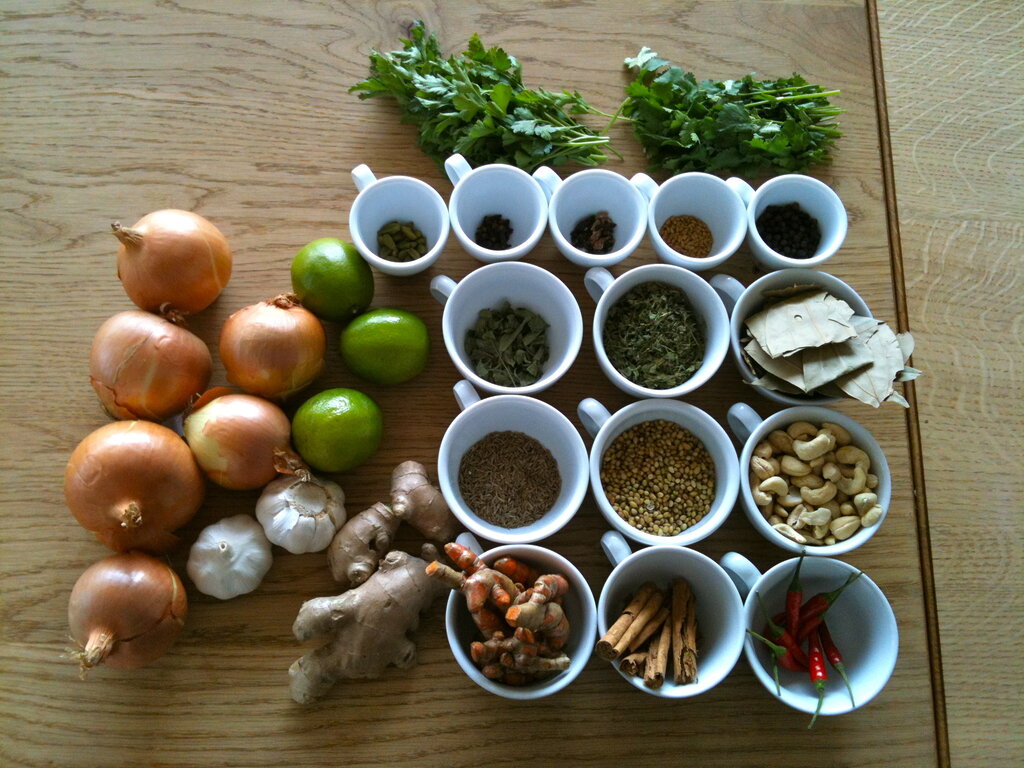
Unlike some Indian cuisines that rely on a long list of ground spices, Sri Lankan dhal keeps it simple and focused. The primary blend is Sri Lankan unroasted curry powder. This specific mix typically contains coriander, cumin, and fennel seeds, ground raw. The lack of roasting gives it a brighter, more herbal, and less earthy flavor than its roasted counterparts, which is key to the dish's fresh taste.
Turmeric is used for its vibrant yellow color and warm, earthy notes. It’s a background flavor that supports everything else. For heat, coarse chili flakes are preferred over fine powder, as they provide pockets of heat and a fruitier flavor. Finally, a small amount of whole fenugreek seeds are added. These tiny, hard, amber-colored seeds contribute a subtle, pleasant bitterness that balances the richness of the coconut milk, and they also help to thicken the curry slightly as they cook.
| Ingredient | Flavor Profile | Role in Dhal |
|---|---|---|
| Mysore Dhal | Mild, earthy | Creamy base and texture |
| Pandan (Rampe) | Nutty, vanilla-like | Aromatic infusion |
| Curry Leaves (Karapincha) | Savory, citrusy, complex | Deepens the savory aroma |
| Unroasted Curry Powder | Herbal, bright, floral | Primary spice blend |
| Turmeric | Warm, earthy, bitter | Color and background flavor |
| Chili Flakes | Fruity, sharp heat | Pungency and spice |
| Fenugreek Seeds | Bitter, maple-like | Balances richness, thickens |
Balancing the Flavors
Achieving the right balance is about ratios. A common starting point for a dhal serving four people is about one cup of red lentils. To this, you might add a teaspoon of turmeric and a teaspoon of unroasted curry powder. This establishes the fragrant, earthy base.
The amount of chili flakes is up to personal preference, but starting with half a teaspoon is wise. You can always add more later. For the fenugreek, a quarter teaspoon is usually enough; too much will make the dish overly bitter. The goal is a fragrant, creamy, and gently spiced curry, not an overwhelmingly pungent one. The flavors should meld together, with no single spice dominating the others.
Ready to check your knowledge?
What is the ideal type of lentil for a creamy Sri Lankan dhal, also known as Parippu Kirata?
What is the primary reason for rinsing red lentils in cold water until it runs mostly clear before cooking?
With these key ingredients in your pantry, you have the building blocks for an authentic and delicious Sri Lankan dhal. Each component plays a specific role in creating the final, balanced dish.