Authentic Pakistani Cuisine Techniques
Regional Spice Blending
The Heart of Pakistani Flavor
Pakistani cooking isn't just about heat; it's a carefully constructed layering of aromas and tastes. The soul of this cuisine lies in its masalas, or spice blends. Forget the generic curry powder you find in supermarkets. True Pakistani masalas are regional signatures, with each province telling a different story through its unique combination of spices.
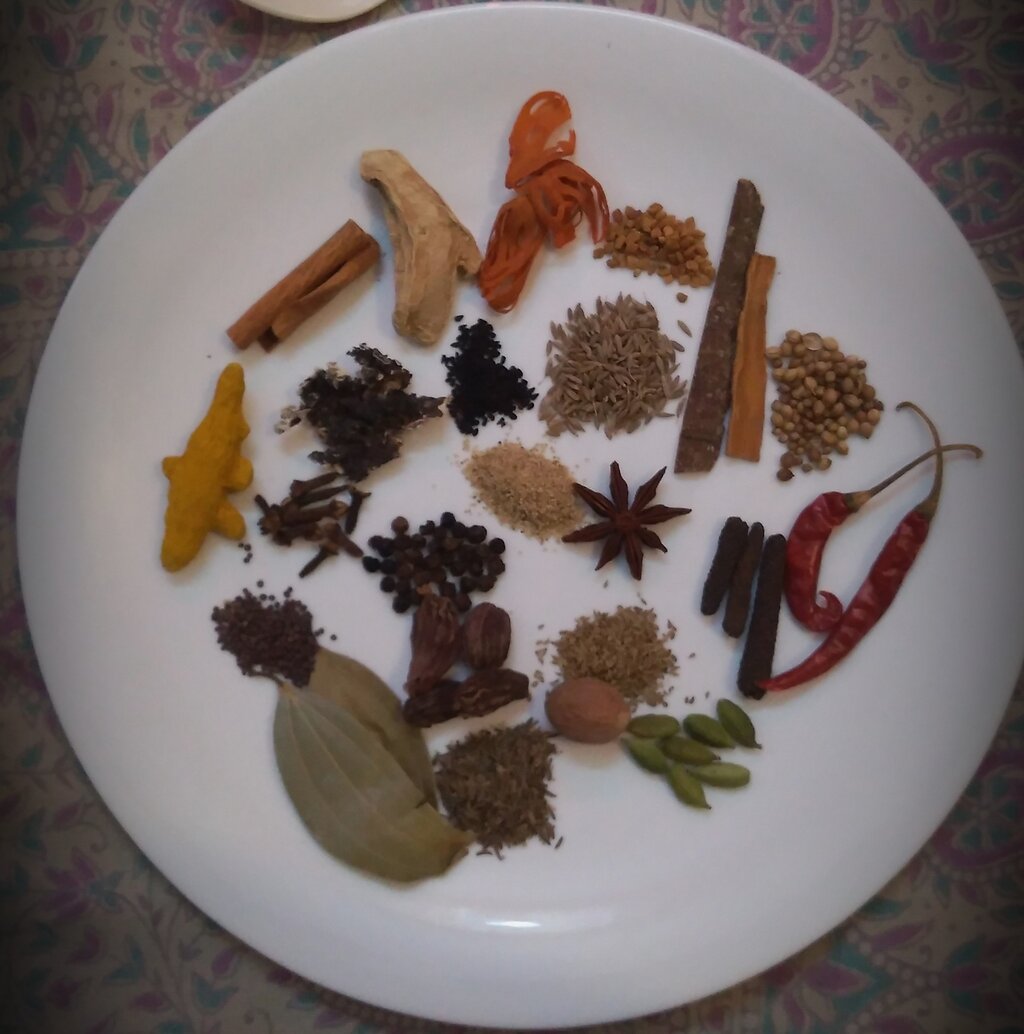
In the fertile plains of Punjab, the flavor profile is warm and aromatic. Dishes from Lahore often feature a generous use of spices like black cardamom, cinnamon, and cloves. This creates a deep, comforting warmth. Travel south to Sindh, and the palate shifts. Here, cooks introduce a distinct sourness using ingredients like dried plums (aloo bukhara), which add a sweet-tart chewiness, and dried pomegranate seeds (anardana), which provide a sharp, tangy crunch. These acidic agents cut through the richness of meats and rice, creating a vibrant, multi-layered taste experience, most famously in Sindhi Biryani.
| Region | Key Spices & Flavor Agents | Common Flavor Profile |
|---|---|---|
| Punjab | Black Cardamom, Cinnamon, Cloves | Warming, Aromatic, Rich |
| Sindh | Dried Plums (Aloo Bukhara), Pomegranate Seeds, Green Chilies | Sour, Spicy, Complex |
| Khyber Pakhtunkhwa | Black Pepper, Coriander, Lamb Fat | Savory, Mild, Meat-Forward |
| Balochistan | Salt, Lamb, Minimal Spices | Salty, Rustic, Simple |
Unlocking Aromatic Oils
How you treat your spices is just as important as which ones you choose. The two primary techniques for releasing their essential oils and maximizing flavor are dry roasting and blooming in oil. Each method transforms the spices in a different way.
Dry roasting, or toasting spices in a dry pan, deepens their flavor. It reduces any residual moisture and creates complex, nutty, and smoky notes. This is often the first step in creating a powdered masala blend, like a traditional garam masala. The heat chemically alters the aromatic compounds, making them less raw and more profound.
Dry roasting mellows the sharp edges of pungent spices and adds a toasted, nutty depth.
Blooming in oil, known as tarka or baghar, is a finishing technique. Whole or ground spices are briefly fried in hot oil or ghee. This method quickly extracts the fat-soluble flavor compounds and infuses the oil with their essence. The infused oil is then poured over a completed dish, like dal or a yogurt raita. This adds a final, vibrant burst of aroma and flavor that hits your senses just before you eat.
Regional Signatures
Not all of Pakistan relies on complex spice blends. In the mountainous region of Khyber Pakhtunkhwa, the cuisine is famously minimalist. The focus is on the quality of the meat, particularly lamb. Dishes like the iconic lamb karahi are often seasoned with little more than salt, black pepper, tomatoes, and ginger, allowing the rich flavor of the lamb itself to dominate.
Further south, in the arid landscape of Balochistan, the culinary philosophy is even more elemental. Here, salt is the primary seasoning. Traditional dishes like Sajji involve whole lambs or chickens skewered and roasted slowly over a fire, seasoned almost exclusively with salt. This method highlights the pure, unadulterated flavor of the meat, a technique born from the region's nomadic traditions and sparse vegetation.
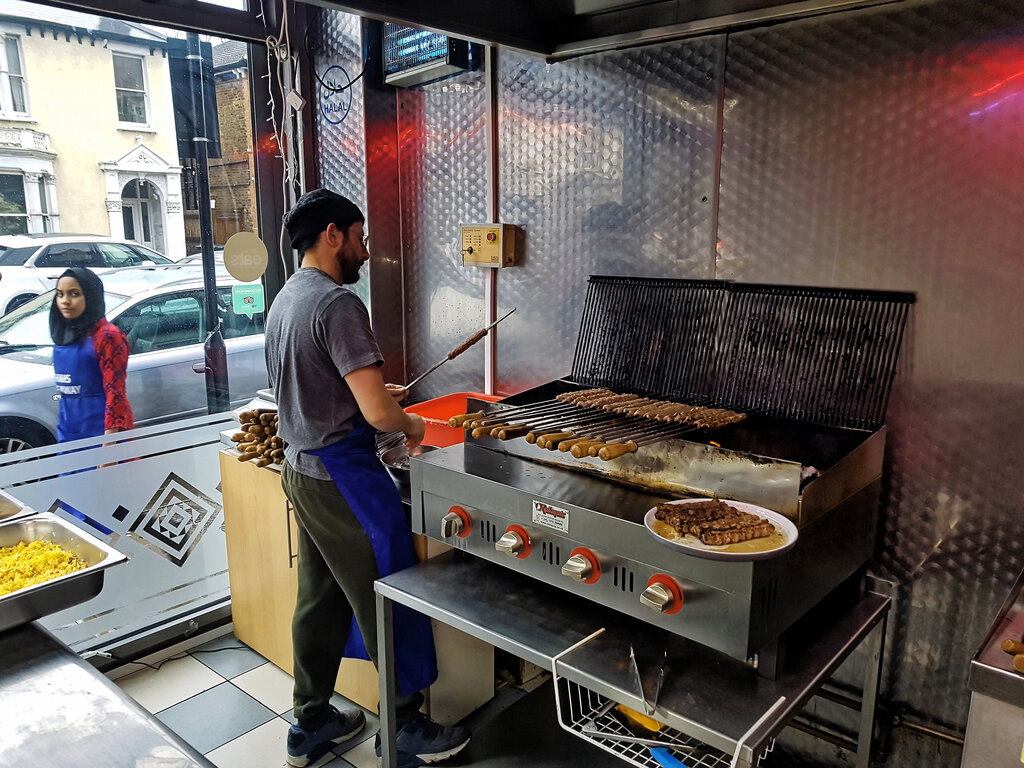
These regional variations demonstrate a sophisticated understanding of flavor balance. Whether it's the warming spices of Punjab, the sour notes of Sindh, or the minimalist approach of KP and Balochistan, each style is a deliberate choice that reflects the local environment and culture. Mastering Pakistani cooking means understanding these foundational spice philosophies.
Ready to test your knowledge on the heart of Pakistani flavor?
What is the primary purpose of the tarka (or baghar) technique in Pakistani cooking?
Which ingredient is characteristic of Sindhi cuisine, used to add a distinct sourness?
Understanding these regional differences is the key to creating authentic Pakistani dishes.