Authentic Neapolitan Piazzas
Introduction to Neapolitan Piazzas
The Heart of the City
In Italy, the best way to understand a neighborhood is to find its piazza. More than just a square, a piazza is the living room of the city—a place where people meet, shop, celebrate, and simply live life in public. This is especially true in Naples, a city famous for its vibrant street life.
Piazza
noun
An open public square in an Italian town, typically surrounded by buildings.
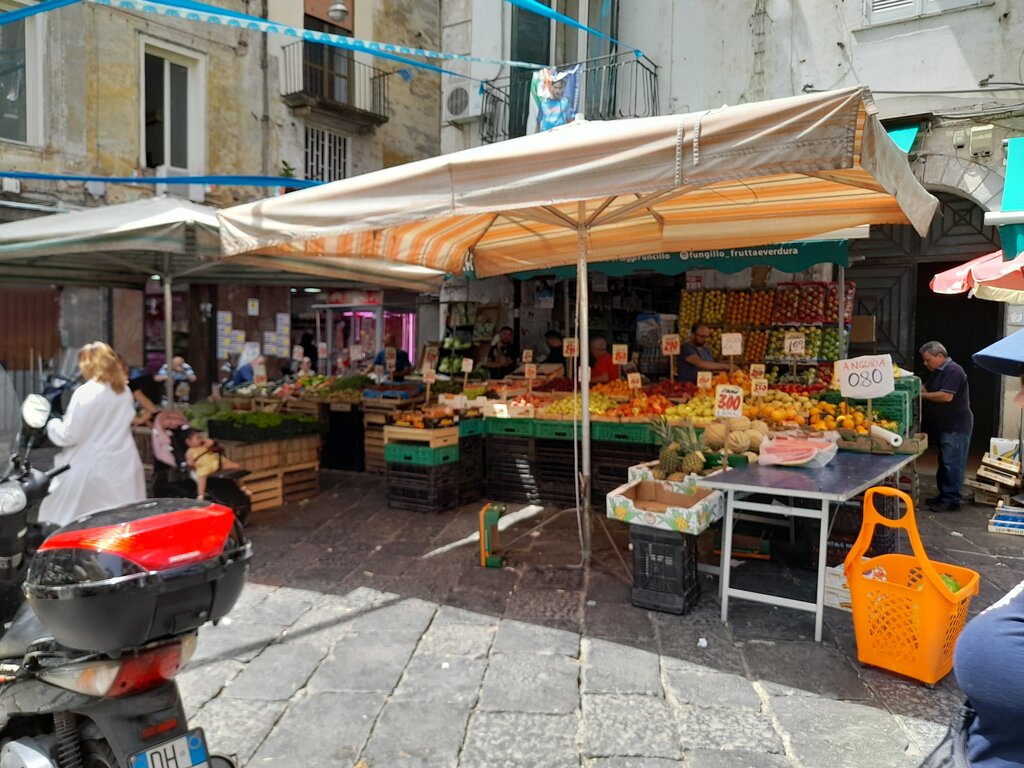
Every piazza has its own personality. Some are grand and monumental, designed to impress. Others are small, intimate, and feel like a shared courtyard for the surrounding residents. They are centers of commerce, with markets selling fresh produce and local goods, and hubs of social activity, where neighbors catch up and children play.
From Ancient Roots
The concept of a central public square isn't new. It dates back to the ancient world. The Greeks had the agora, a central spot for athletic, artistic, spiritual, and political life. The Romans adopted and adapted this idea with the forum, which was the heart of any Roman city.
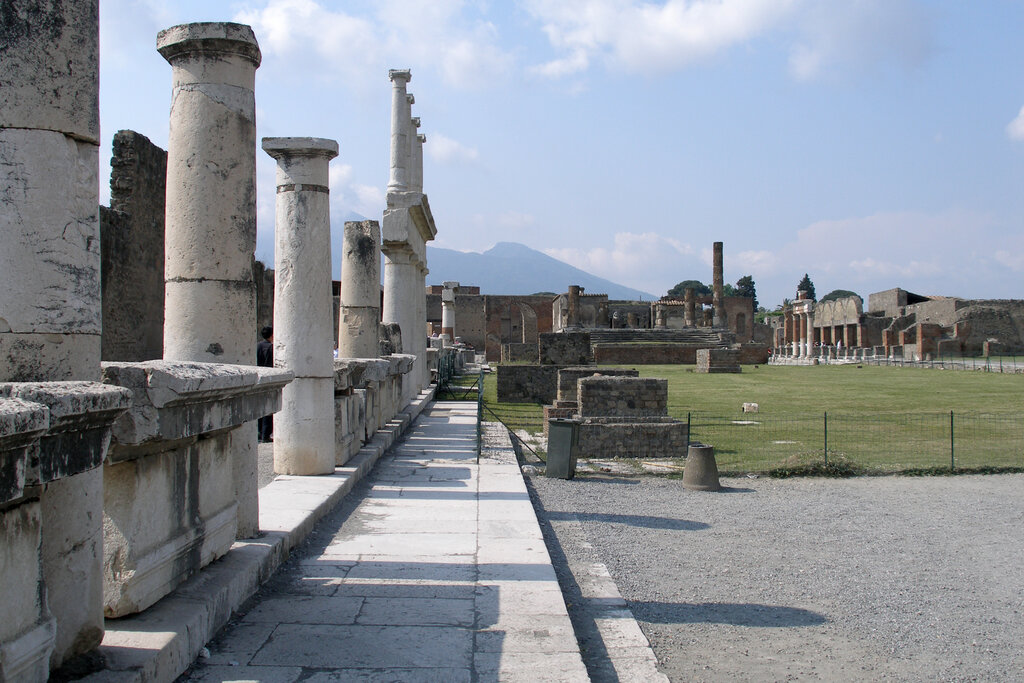
Naples, with its deep Greek and Roman roots, inherited this tradition. Over the centuries, as the city grew and changed, new squares were built and old ones were reshaped. Churches, palaces, and important civic buildings were constructed around these open spaces, cementing their importance. Each historical era, from the Middle Ages through the Renaissance and the Baroque period, left its mark on the city's piazzas.
Architecture and Daily Life
Neapolitan piazzas often share a few common architectural features. A church frequently dominates one side, acting as a spiritual anchor for the community. Grand family palaces, or palazzi, might line the other sides. In the center, you'll often find a fountain or a monument, serving as a landmark and a meeting point.
These elements aren't just decorative; they create a natural stage for public life.
This is where the city's pulse can be felt most strongly. It's where you'll find morning markets, religious festivals, political demonstrations, and quiet evening strolls. For Neapolitans, the piazza is an extension of the home, a vital space for connection and community in a dense, energetic city.
Famous Neapolitan Piazzas
Naples is home to many famous piazzas, each with a distinct character. Two of the most important are the Piazza del Plebiscito and the Piazza dei Martiri.
Piazza del Plebiscito is the largest and most famous square in Naples. It's a vast, sweeping space flanked by the Royal Palace on one side and the grand, colonnaded church of San Francesco di Paola on the other. Its immense scale makes it a natural venue for major concerts and events.
Piazza dei Martiri, or "Martyrs' Square," offers a different feel. It's more elegant and intimate, located in the city's upscale Chiaia district. The piazza is named for the martyrs who died for Neapolitan liberty, honored by a central monument. Surrounded by high-end shops and historic cafes, it's a popular spot for fashion and socializing.
Ready to test your knowledge?
What is the primary function of a piazza in Italian urban life?
The modern Italian piazza is a concept that evolved from which ancient precursors?
Whether grand or humble, Neapolitan piazzas are far more than empty spaces. They are the dynamic hearts of their neighborhoods, where the story of the city unfolds every day.