Authentic Italian Pizza
Origins of Italian Pizza
From Flatbread to Forefather
Long before pizza as we know it existed, people across the Mediterranean were eating simple, seasoned flatbreads. The ancient Etruscans and Romans baked discs of dough on hot stones, often topping them with herbs, olive oil, and whatever else was on hand. These weren't pizzas, but they were the ancestors—the basic concept of a savory, topped bread.
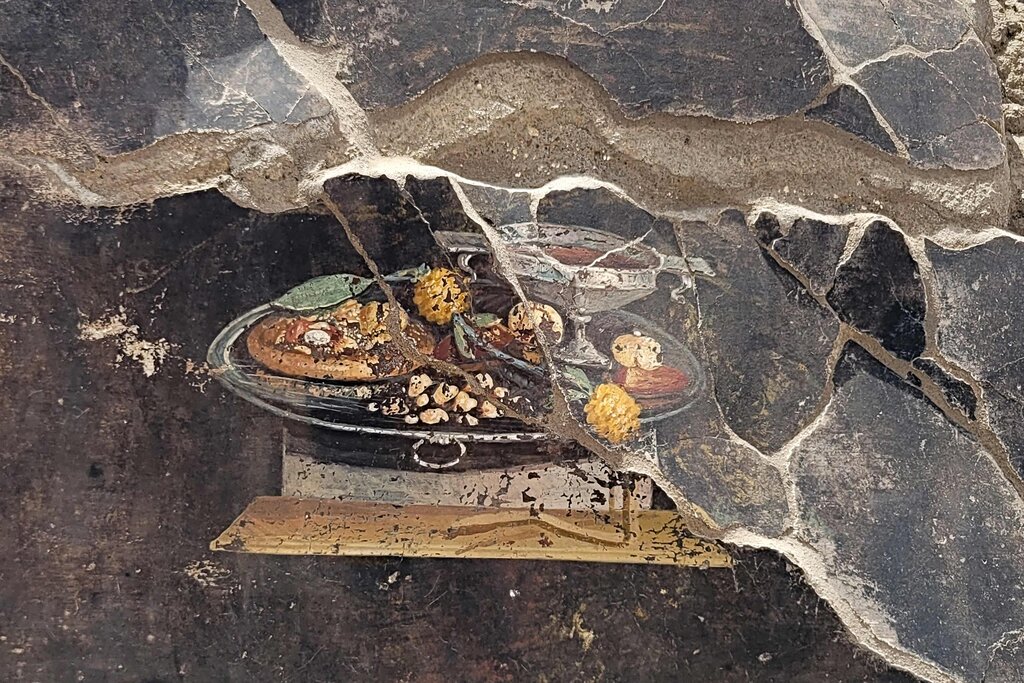
This tradition of simple, oven-baked flatbreads continued for centuries. In different parts of what is now Italy, these breads were known by various names and served as a quick, affordable meal for working people. They were a blank canvas, but they were missing a key ingredient that would change everything.
A New World Ingredient
The tomato arrived in Italy from the Americas in the 16th century. At first, many Italians were skeptical. Some even thought the vibrant red fruit was poisonous. It took a long time for the tomato to gain acceptance in the kitchen.
In the 15th Century, when Europeans discovered the Americas and the Caribbean, or the “New World,” Italian cuisine began to change dramatically with the introduction of tomatoes, potatoes, bell peppers, corn, and cocoa.
By the 18th century, however, the poor in the bustling city of Naples had begun to put tomatoes on their flatbreads. The affordable, flavorful fruit was a perfect addition. This simple innovation marked a crucial step in the evolution of pizza. The combination of bread and tomato created a foundation that would soon become famous.
The Birthplace of Pizza
Naples was the crucible where modern pizza was forged. In this crowded port city, street vendors, or pizzaioli, sold cheap, tasty slices of pizza to workers who needed a quick meal. The earliest pizzas were simple. One popular version, the Pizza Marinara, was topped with just tomato, garlic, oregano, and olive oil.
Naples is the spiritual home of the pizza.
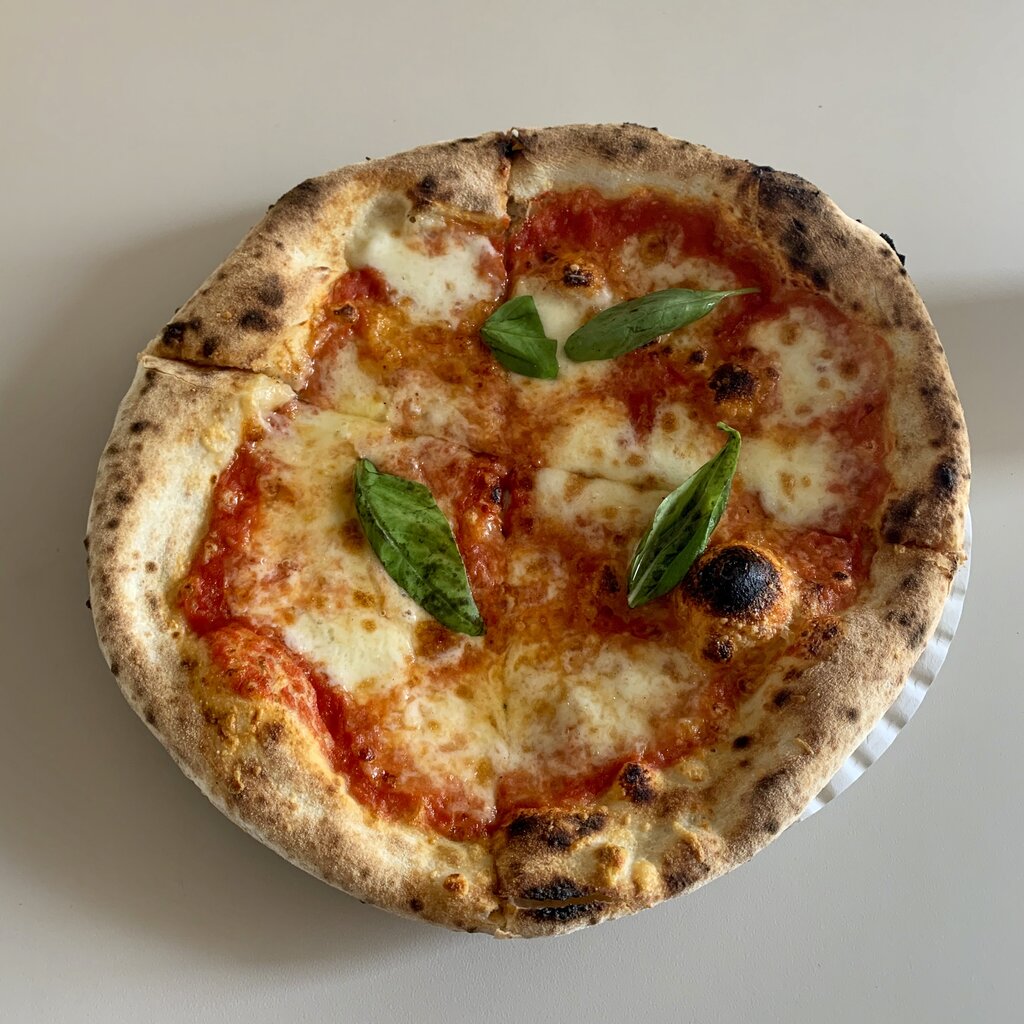
These early pizzas were cooked quickly in scorching hot, wood-fired ovens, resulting in a soft, pliable crust with a slightly charred exterior. This style, now known as Neapolitan, established the identity of pizza as a distinct dish, separate from its flatbread ancestors.
A Dish Fit for a Queen
For a long time, pizza remained a local Neapolitan specialty, largely unknown to the rest of Italy and the world. That changed in 1889 with a royal visit.
The turning point for pizza came in 1889, when Queen Margherita of Savoy visited Naples.
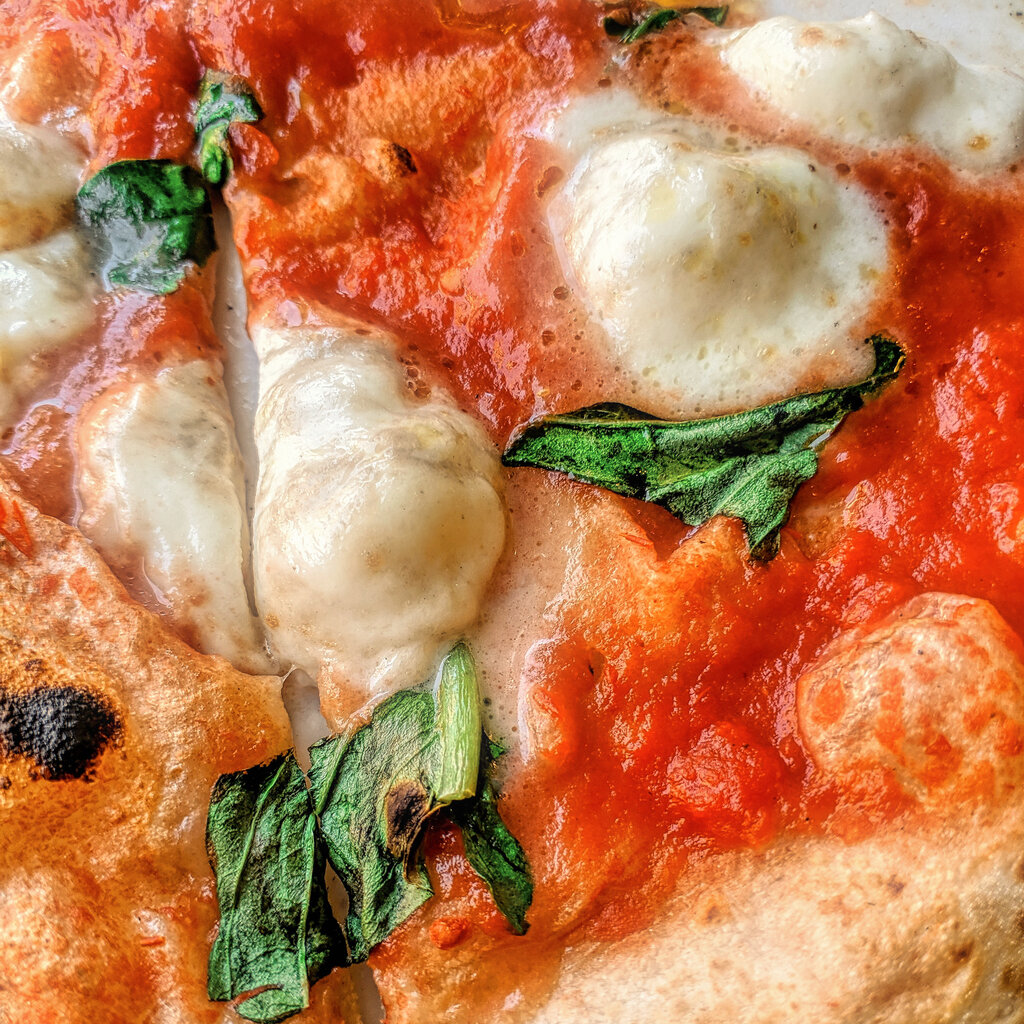
Tired of elaborate French cuisine, the queen asked to try some local pizza. A pizzaiolo named Raffaele Esposito was summoned to prepare a few varieties. Her favorite was one he created to honor the newly unified Italian flag: red tomatoes, white mozzarella cheese, and green basil. He named it Pizza Margherita in her honor.
The queen's endorsement gave pizza a royal seal of approval. It elevated the humble street food into a national symbol and helped pave the way for its eventual journey across the globe. From ancient flatbreads to a dish beloved by royalty, the early history of pizza is a story of simple ingredients and cultural evolution.