Authentic Indian Flatbreads
Introduction to Indian Flatbreads
More Than Just a Side Dish
In many parts of the world, bread is a leavened loaf, sliced and served alongside a meal. But in India, bread is often the meal's centerpiece and primary utensil. Flatbreads are torn by hand and used to scoop up curries, dals, and vegetables, making every bite a perfect combination of flavors and textures.
These breads are not a monolith. They vary dramatically from region to region and even from household to household. The type of flour, the cooking method, and whether the dough is leavened or unleavened all contribute to a vast and delicious world of flatbreads.
Roti: The Everyday Staple
If there is one bread that forms the backbone of daily Indian meals, it’s roti. This simple, unleavened flatbread is typically made from whole-wheat flour, known as atta, mixed with water to form a soft dough. It’s a staple food, especially in North India, valued for its wholesomeness and simplicity.
Roti is incredibly versatile. It can be a thin, soft chapati cooked on a flat griddle (a tawa), or a phulka that puffs up like a balloon when exposed to a direct flame, creating a light, airy pocket. Its mild, slightly nutty flavor makes it the perfect companion for virtually any dish.
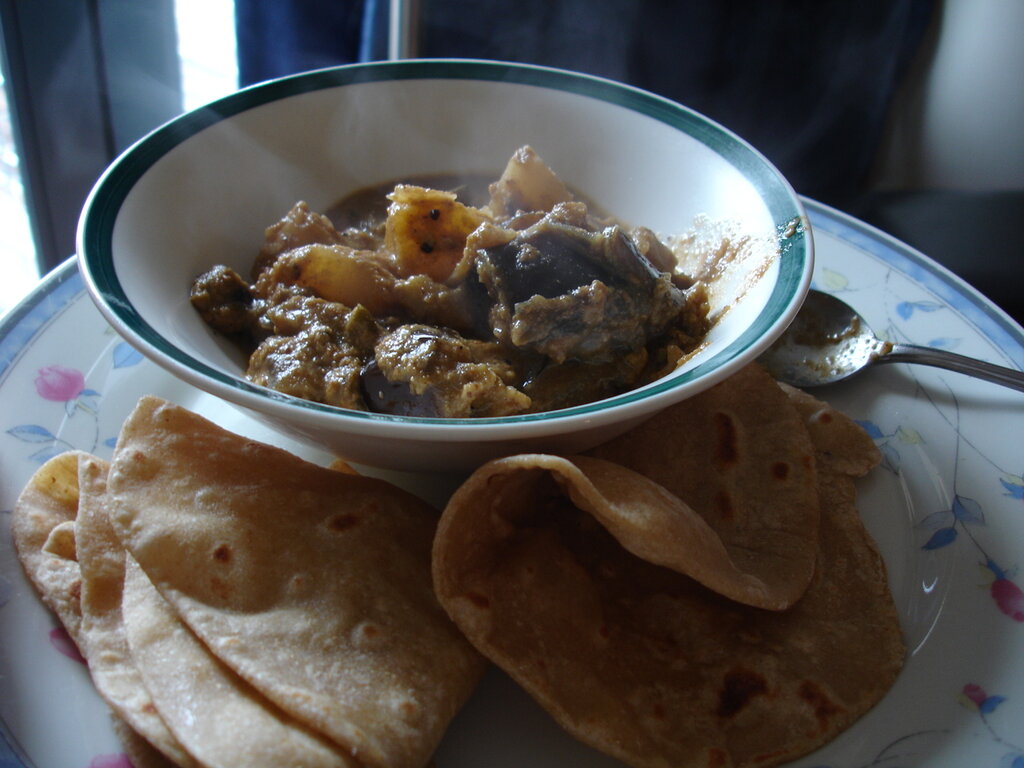
Roti
noun
A general term for unleavened flatbreads made from whole-wheat flour, fundamental to daily meals in many parts of India.
Naan: The Restaurant Favorite
Naan is perhaps the most famous Indian flatbread outside of India. Unlike roti, naan is a leavened bread, traditionally made with white flour and a raising agent like yeast or yogurt. This gives it a soft, chewy texture that’s thicker and more substantial than a typical roti.
The magic of naan comes from its traditional cooking method: slapped onto the searing hot inner walls of a cylindrical clay oven called a tandoor. This high-heat cooking process creates a bread that is soft and fluffy on the inside with delightful charred blisters on the outside. While a staple in restaurants, it's less common for daily home cooking due to the need for a tandoor.
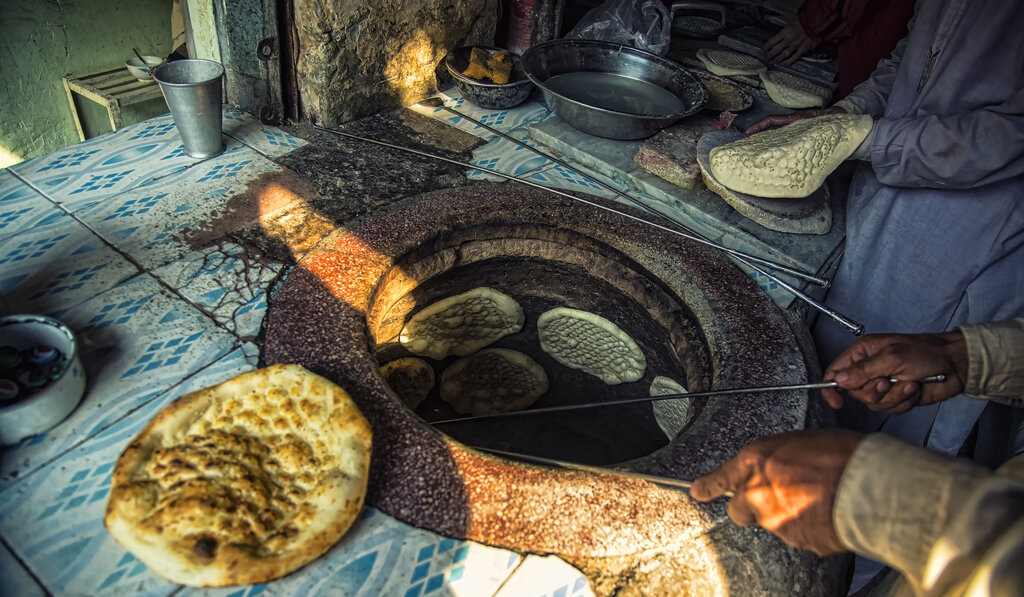
Naan often comes in delicious variations. Butter naan is brushed with ghee, while garlic naan is topped with minced garlic and herbs before baking.
Paratha: The Layered Delight
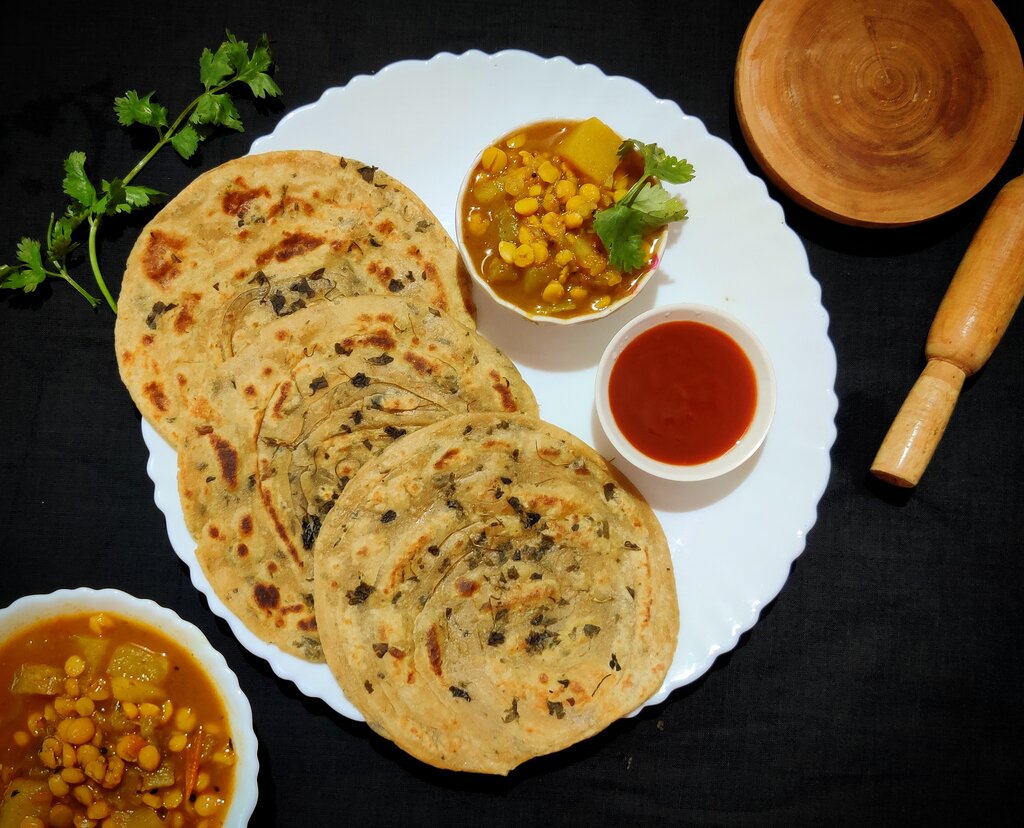
Paratha takes the concept of a flatbread and adds layers of richness. The name itself comes from parat and atta, meaning layers of cooked dough. It starts with a simple unleavened whole-wheat dough, similar to roti, but the preparation is what sets it apart.
The dough is repeatedly rolled out, brushed with ghee or oil, and folded. This process creates dozens of flaky, tender layers in the finished bread. Parathas can be served plain or stuffed with a variety of fillings like spiced potatoes (aloo paratha), cauliflower (gobi paratha), or paneer. They are often enjoyed for breakfast with a side of yogurt, pickles, or chutney.
| Bread | Flour Type | Leavening | Typical Cooking Method |
|---|---|---|---|
| Roti | Whole Wheat (Atta) | Unleavened | Griddle (Tawa) or open flame |
| Naan | White (Maida) | Leavened (Yeast/Yogurt) | Clay oven (Tandoor) |
| Paratha | Whole Wheat (Atta) | Unleavened | Griddle (Tawa) |
Roti, naan, and paratha are just the beginning. The world of Indian flatbreads is vast, with countless other varieties to explore, each with its own story and unique place on the table. Understanding these three pillars provides a delicious foundation.
Time to check what you've learned about these foundational flatbreads.
Which Indian flatbread is characteristically cooked in a cylindrical clay oven called a tandoor?
The defining feature of a paratha is its...
From the everyday roti to the celebratory naan, Indian flatbreads are a cornerstone of the cuisine, serving as both food and utensil in a shared dining experience.