Austrian White Wines
Introduction to Austrian White Wines
Austria's Liquid Gold
When you think of Austria, you might picture mountains, Mozart, or Vienna. But for wine lovers, Austria is synonymous with world-class white wine. It's not just a beverage here; it's a cornerstone of the culture and a point of national pride. In fact, over two-thirds of the country's vineyards are dedicated to growing white grapes.
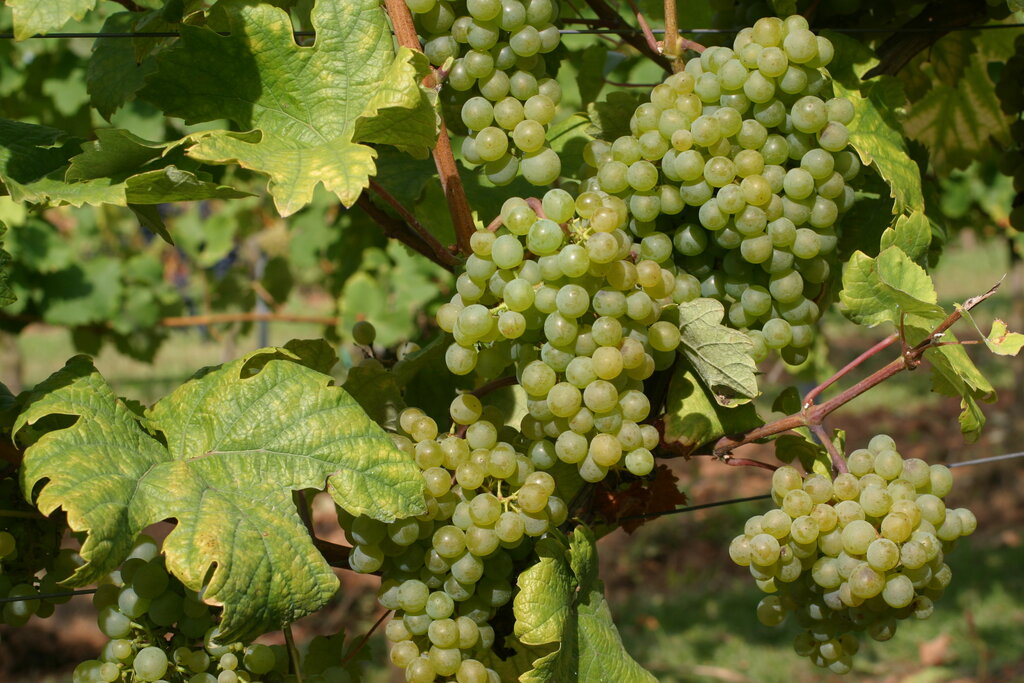
Austrian white wines are celebrated for their purity, precision, and incredible ability to pair with food. They are typically dry, with a crisp acidity and vibrant aromatics that make them both refreshing and complex. This distinct character comes from a combination of unique grape varieties and the diverse landscapes where they are grown.
The Star Grapes
One grape reigns supreme in Austria: Grüner Veltliner. It’s the country's signature variety, a versatile grape that can produce everything from light, zesty wines to rich, complex ones. You'll find it planted all over the country.
While Grüner Veltliner is the star, it's not the only player. Austria also produces stunning Riesling, known for its piercing aromatics and minerality, as well as excellent Sauvignon Blanc and Welschriesling.
| Grape | Key Characteristic |
|---|---|
| Grüner Veltliner | Peppery & Zesty |
| Riesling | Aromatic & Mineral |
| Sauvignon Blanc | Crisp & Herbal |
| Welschriesling | Light & Fruity |
These grapes express themselves differently depending on where they are planted. Austria’s wine geography is a patchwork of unique terroirs, each lending a special voice to the final wine.
Where the Magic Happens
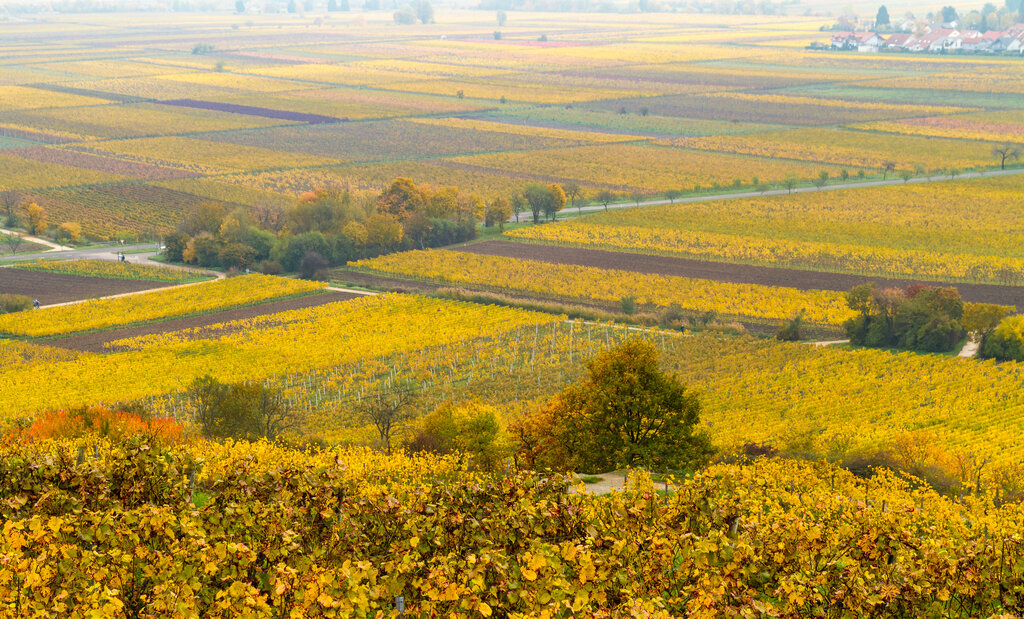
Austria's wine regions are concentrated in the eastern part of the country. Four main areas are responsible for the vast majority of production: Niederösterreich (Lower Austria), Burgenland, Steiermark (Styria), and Wien (Vienna).
Niederösterreich is the largest and most important region, home to vast plantings of Grüner Veltliner along the Danube river. Burgenland, to the east, is warmer and known for both white and red wines. Steiermark in the south is prized for its aromatic Sauvignon Blanc, while Wien boasts the unique distinction of being a major world capital with significant vineyards within its city limits.
What is considered Austria's signature white grape variety, planted widely across the country?
True or False: Austrian white wines are typically characterized as being sweet with low acidity.
This is just a glimpse into the vibrant world of Austrian white wine. Each region and grape offers a unique story, waiting to be discovered in the glass.