Austrian Energy Laws ELWG and EAG Explained
Introduction to Austria's Energy Landscape
Austria's Energy Crossroads
Austria is a country in transition. For decades, its energy landscape has been a mix of domestic production and foreign imports. A significant portion of its electricity comes from hydropower, thanks to its mountainous terrain. However, the country still relies heavily on imported natural gas, oil, and coal to power its homes and industries.
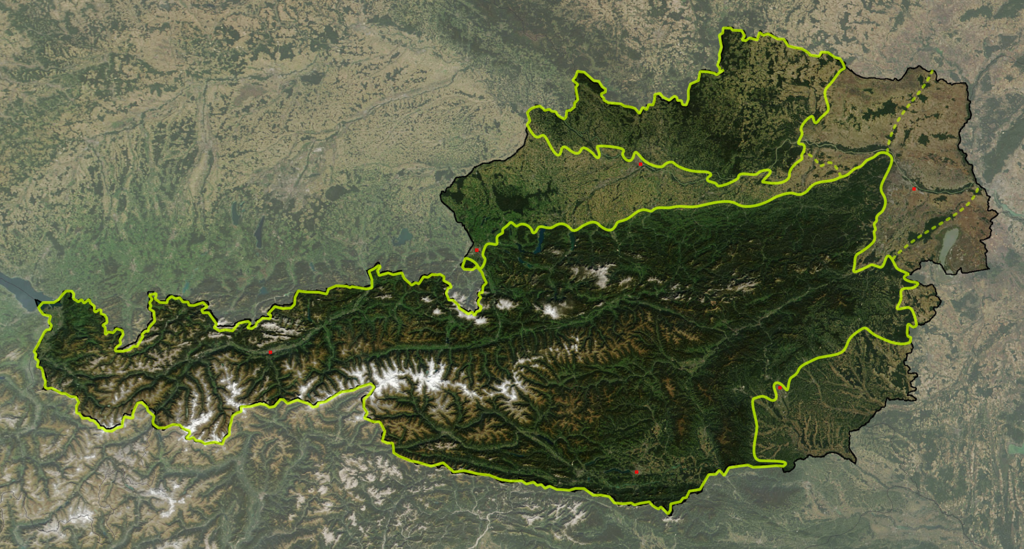
This dependence on foreign energy presents a major challenge. Geopolitical events can disrupt supply chains and cause prices to spike, creating economic uncertainty. This is a core issue of energy security: ensuring a stable, affordable supply of energy, regardless of what's happening elsewhere in the world.
At the same time, Austria, like the rest of Europe, is committed to fighting climate change. This requires a shift away from the fossil fuels it imports and toward clean, sustainable energy sources generated at home. The goal is to build a system that is both secure and green.
To meet its commitments under the Paris Agreement and reduce its dependency on energy imports, the pace, and scale of renewable energy deployment across Europe must increase dramatically over the next decade.
The Legislative Push
To guide this complex transition, Austria has established a framework of energy laws. These aren't just suggestions; they are national strategies designed to overhaul the entire energy sector. The legislation aims to encourage investment in renewables like solar and wind, modernize the power grid, and create a competitive energy market.
Think of it as setting new rules for the game. The old rules favored fossil fuels and centralized power plants. The new rules are designed to support a decentralized system where energy is generated from many different sources, including rooftop solar panels and community wind farms.
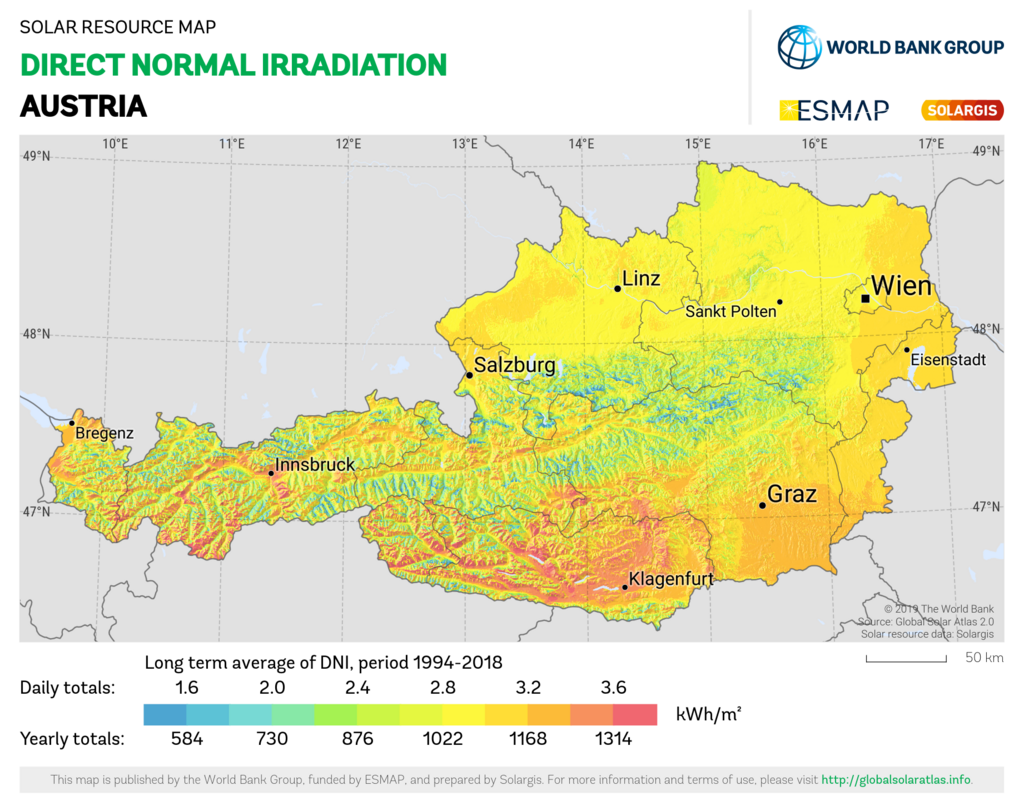
This legal framework is the foundation for achieving Austria's ambitious goals: 100% renewable electricity by 2030 and climate neutrality by 2040. It addresses everything from how new renewable projects get approved to how electricity is priced and sold, paving the way for a more sustainable and independent energy future.
Let's review the key aspects of Austria's energy situation.
What is the primary challenge Austria's energy sector faces, according to the text?
Austria's new energy laws are designed to guide a shift from a centralized, fossil-fuel-based system to what kind of new system?
Understanding this background is crucial as we delve deeper into the specific laws that are shaping Austria's energy future.