Australia's Public vs Private Schools
Introduction to Australian Education System
The School Journey
In Australia, education is a major part of life from a young age. Schooling is compulsory for all children, generally from about age six to sixteen, though the exact ages can vary slightly depending on the state or territory. The journey through the Australian education system is typically broken down into three main stages: primary school, secondary school, and tertiary education.
Primary school builds the foundational skills in literacy and numeracy. Secondary school, often called high school, continues this education, allowing students to specialize in subjects that interest them as they get older. After secondary school, students can choose to pursue tertiary education, which includes university degrees or vocational training at institutions known as TAFE (Technical and Further Education).
Public and Private Schools
When it comes to primary and secondary schooling, parents in Australia have a choice between two main types of schools: public and private. While both follow a similar curriculum framework, they differ in how they are funded and managed. About two-thirds of Australian students attend public schools.
Public schools are also known as state schools or government schools. They are funded and run by the government in each state and territory.
Because they are government-funded, public schools generally do not charge tuition fees for Australian citizens or permanent residents. However, parents are often asked to pay for things like textbooks, uniforms, and school excursions. These are sometimes called voluntary contributions or levies. Public schools are open to all students within a specific local catchment area.
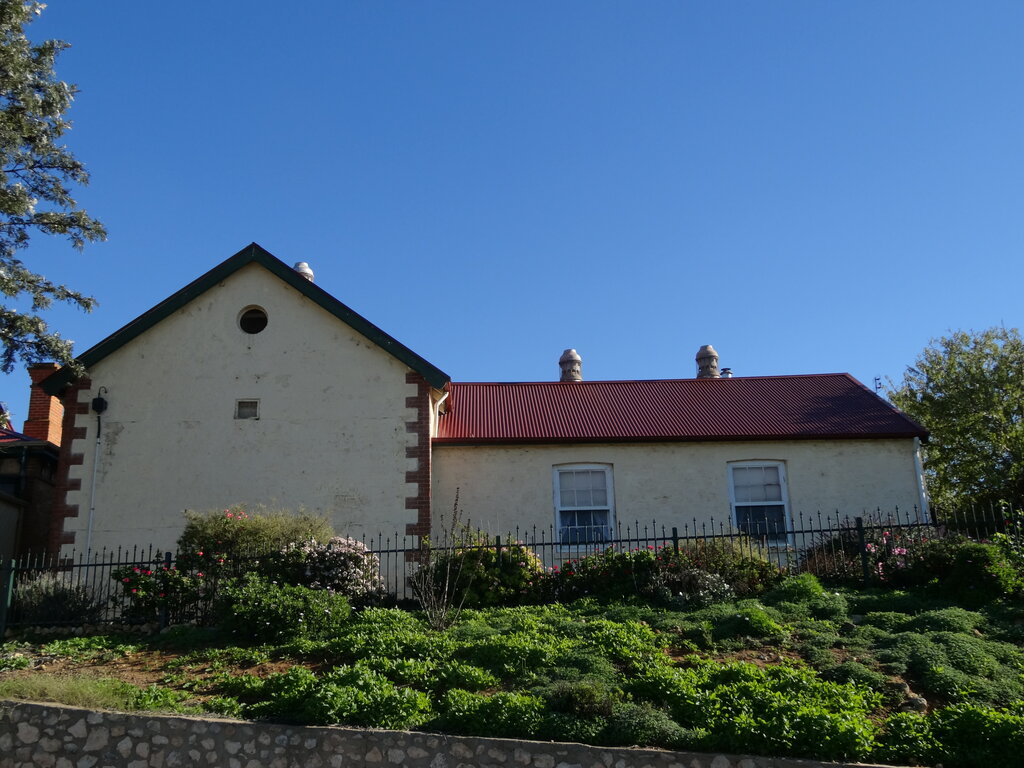
Private schools, on the other hand, are not operated by the government. They rely on tuition fees paid by parents and also receive some government funding. They are sometimes referred to as independent or non-government schools. There are two main categories of private schools.
Catholic schools make up the largest group of non-government schools. They are run by the Catholic education system and typically have lower fees than other private schools.
Independent schools are the other type. This category includes schools associated with other religions, as well as non-denominational schools. Each independent school has its own governing body and sets its own policies.
| Feature | Public Schools | Private Schools |
|---|---|---|
| Funding | Primarily government-funded | Funded through parent fees & some government funding |
| Management | State/Territory government | Independent governing body or religious organization |
| Fees | No tuition fees; may have voluntary contributions | Tuition fees are required |
| Affiliation | Secular | Often faith-based (e.g., Catholic, Anglican) or non-denominational |
Choosing between these systems is a significant decision for families, based on factors like cost, location, and educational philosophy. This basic structure forms the landscape of early education across Australia.
What are the three main stages of the Australian education system?
In Australia, public schools do not charge tuition fees for citizens but may ask parents for voluntary contributions for things like textbooks and excursions.