Australian Tender Processes Explained
Introduction to Procurement
What Is Procurement?
Think about the last time you made a big purchase, like a new phone. You probably didn't just buy the first one you saw. You identified what you needed (a good camera, long battery life), researched different models, compared prices, and then finally made a purchase. In a nutshell, you went through a procurement process.
For businesses and governments, procurement is this same idea on a much larger scale. It's the formal process of acquiring all the goods, services, and work that an organization needs to operate. This could be anything from buying office supplies and hiring cleaning services to commissioning a new freeway or developing a complex IT system.
Procurement
noun
The overarching process of finding, agreeing to terms, and acquiring goods, services, or works from an external source, often via a competitive bidding process.
The Goals of Procurement
Organizations don't just procure things; they do it with specific goals in mind. The primary goal isn't always to find the cheapest option. Instead, the focus is on achieving the best possible value for money.
This means balancing cost with other important factors like quality, service, and long-term sustainability. A cheap product that breaks quickly or a service that doesn't meet requirements isn't good value. Effective procurement aims to be efficient, fair, and transparent, ensuring that decisions are made for the right reasons and can be justified.
Value for money is the core objective. It's a strategic balance between the price paid and the quality of the outcome.
Guiding Principles
To ensure procurement is fair and effective, especially in the public sector where taxpayer money is being spent, the process is guided by several key principles. These act as the rules of the road for every procurement activity.
- Transparency: All processes, decisions, and awards are open to public scrutiny.
- Accountability: Organizations are responsible for their procurement decisions and outcomes.
- Fair Competition: All potential suppliers are given a fair and equal opportunity to bid for work.
- Ethical Behavior: Everyone involved must act with integrity, avoiding conflicts of interest and corruption.
The Procurement Lifecycle
Procurement isn't a single event; it's a cycle with distinct stages. It starts long before a purchase is made and continues long after the contract is signed. Understanding this lifecycle helps organizations manage the process effectively from start to finish.
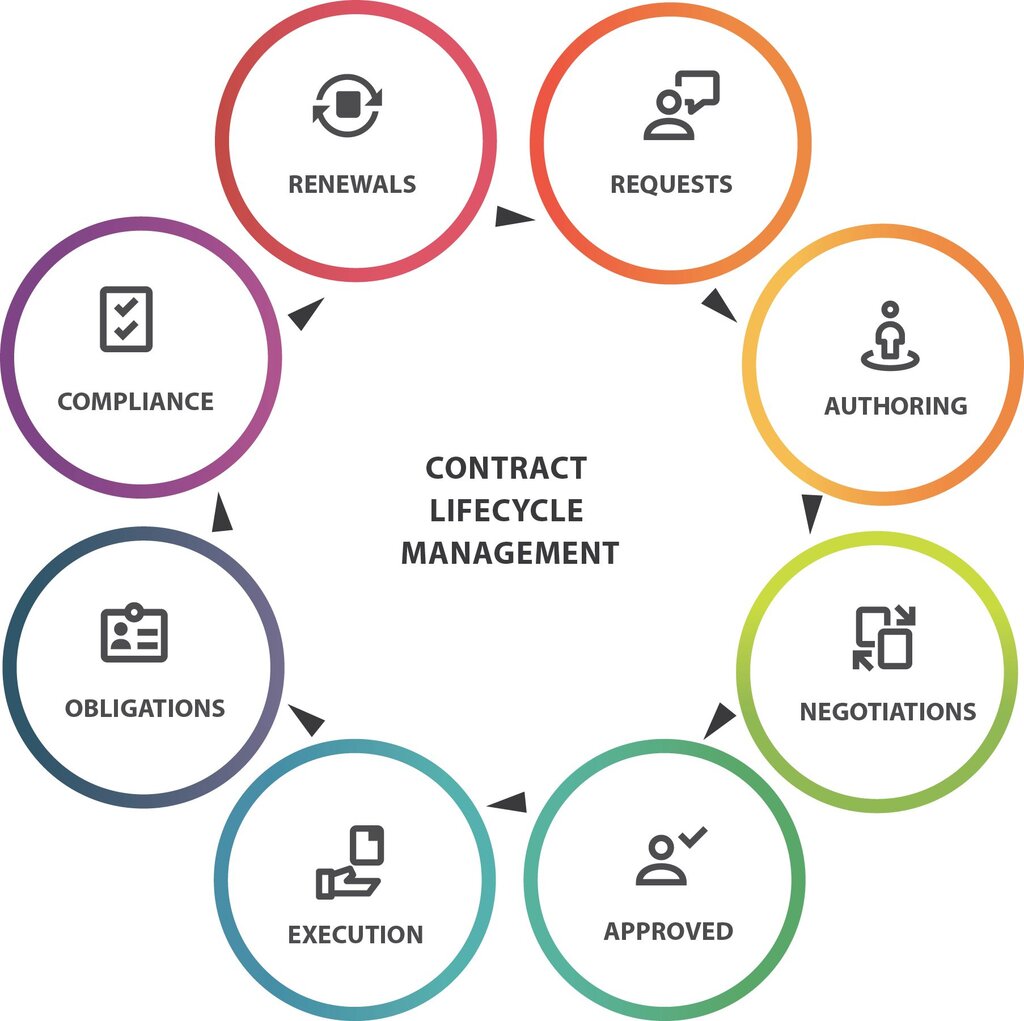
While there are many models, the lifecycle can be simplified into three main phases:
- Planning and Specification: This is the 'homework' phase. The organization identifies a need, defines exactly what is required, and plans the procurement strategy.
- Sourcing and Awarding: Here, the organization goes to the market to find potential suppliers. It involves activities like advertising opportunities (tenders), evaluating submissions, and awarding a contract to the best-value supplier.
- Contract Management: Once a contract is in place, the work begins. This phase involves managing the supplier relationship, monitoring performance to ensure they deliver as promised, and handling payments and contract close-out.
Each stage is crucial for a successful outcome. Good planning prevents problems later, a fair sourcing process secures the best partner, and diligent management ensures the organization gets what it paid for.
Now, let's check your understanding of these core concepts.
What is the primary goal of procurement in most organizations?
The first phase of the procurement lifecycle, which involves identifying a need and defining requirements, is called ____.
Grasping these fundamentals—what procurement is, its goals, principles, and lifecycle—provides a solid foundation for understanding the more detailed processes involved in government and business purchasing.