Australian Road Reserve Light Pole Setbacks
Introduction to Road Lighting Standards
Lighting the Way Safely
When you're driving, walking, or cycling at night, you rely on streetlights to see and be seen. But have you ever wondered how authorities decide how bright those lights should be, or where to place them? It's not guesswork. There's a comprehensive set of rules designed to keep everyone safe.
In Australia and New Zealand, road lighting is governed by a series of standards known as AS/NZS 1158. These documents provide a detailed framework for the design, performance, and installation of lighting on public roads, pathways, and public spaces. Their main goal is to ensure that lighting is effective, efficient, and consistent, no matter where you are.
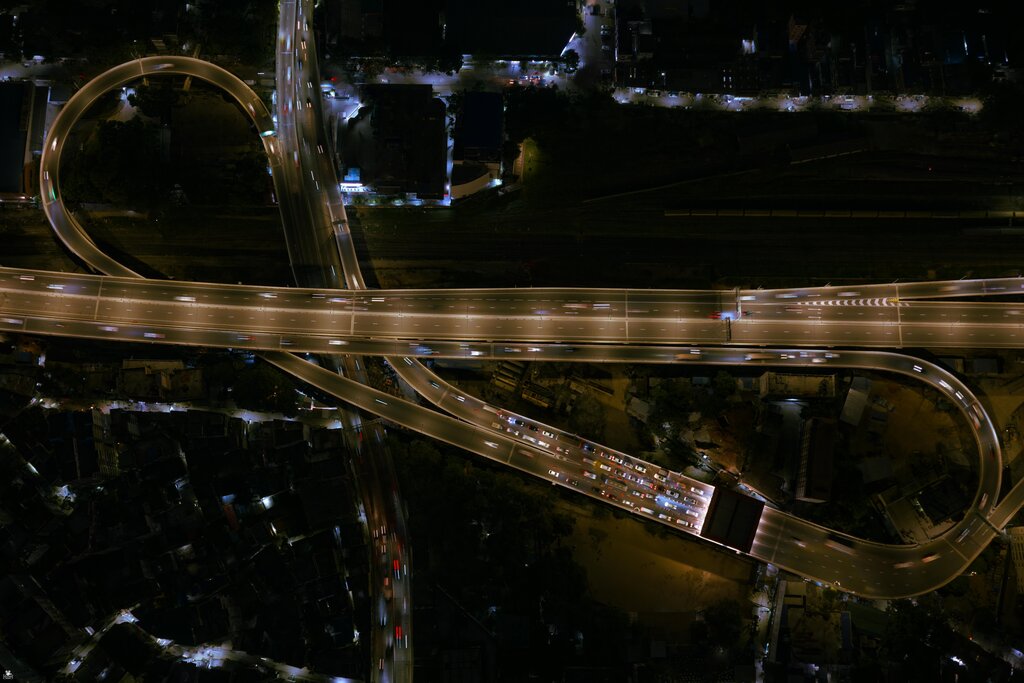
Following these standards helps traffic engineers and designers achieve several key objectives:
- Improve safety: Proper lighting helps drivers spot hazards, pedestrians, and other vehicles in time to react.
- Enhance security: Well-lit areas can deter crime and make people feel safer.
- Guide traffic: Lighting can help define the road's path, especially at intersections and on curves.
- Save energy: Modern standards promote the use of efficient technologies, like LEDs, to reduce power consumption and environmental impact.
The AS/NZS 1158 Family
AS/NZS 1158 isn't a single document, but a collection of related standards, each focusing on a specific aspect of road lighting. Think of it as a library of rulebooks for different situations. Some of the most important parts cover the performance and design requirements for lighting systems.
| Standard | Title | Purpose |
|---|---|---|
| AS/NZS 1158.0 | Introduction | Provides an overview of the series and defines common terms used throughout. |
| AS/NZS 1158.1.1 | Vehicular traffic (Category V) lighting — Performance and design requirements | Sets the rules for lighting on roads used mainly by vehicles. |
| AS/NZS 1158.3.1 | Pedestrian area (Category P) lighting — Performance and design requirements | Covers lighting for footpaths, bike paths, and other areas with pedestrian traffic. |
| AS/NZS 1158.6 | Luminaires — Performance | Specifies the minimum performance requirements for the light fittings (luminaires) themselves. |
The standards categorize roads based on their usage. A busy highway, for example, has very different lighting needs than a quiet residential street or a park pathway. The AS/NZS 1158 series provides specific performance criteria for each of these scenarios, ensuring the lighting is appropriate for the task.
Speaking the Language
To understand lighting standards, you need to know a few key terms. While they might sound technical, the concepts are straightforward. Two of the most fundamental are illuminance and luminance.
Illuminance
noun
The amount of light that falls onto a surface. It's measured in lux (lx). Think of it as the density of light hitting the pavement.
Luminance
noun
The amount of light that reflects off a surface and reaches an observer's eye. It's what makes a surface appear bright and is measured in candelas per square meter (cd/m²).
Why does the distinction matter? You could have high illuminance (lots of light hitting the road) but poor luminance if the road surface is dark and doesn't reflect light well. Road lighting standards specify requirements for both, as well as for uniformity—how evenly the light is spread out. A well-lit road has no dark patches or overly bright hotspots, which can be distracting or hide hazards.
Ultimately, the goal of these standards is to provide the right amount of light, in the right place, at the right time, ensuring our roads are as safe as possible after the sun goes down.
What is the primary purpose of the AS/NZS 1158 series of standards?
Which of the following best describes the concept of 'luminance' in the context of road lighting?