Australian Residential Construction Project Coordination
Project Coordination Fundamentals
The Project Linchpin
In any construction project, from a suburban renovation to a city skyscraper, you have dozens of moving parts. You have architects, engineers, suppliers, and various trades all working on different tasks. Without someone to connect the dots, the project can quickly devolve into chaos, missed deadlines, and blown budgets.
This is where project coordination comes in. At its core, project coordination is the art and science of ensuring all these moving parts work together harmoniously. The goal is simple: to deliver the project on time, within budget, and to the required quality standards. A Project Coordinator acts as the central hub, managing the flow of information and ensuring that everyone has what they need to do their job effectively.
Think of a Project Coordinator not as a boss, but as a facilitator. Their main role is to clear roadblocks and keep the project moving forward.
The Project Lifecycle
Every construction project follows a predictable sequence of phases, from a spark of an idea to the final handover. This sequence is known as the project lifecycle and provides a roadmap for managing the work. While the specifics can vary, the general stages are consistent.
- Conception & Initiation: This is where the project is born. The client has a need, a feasibility study is conducted, and the project's basic goals are defined.
- Design & Planning: Architects and engineers create detailed blueprints and specifications. The project scope, budget, and schedule are fleshed out. This is a critical phase where the Coordinator's involvement often begins.
- Procurement & Tendering: The project team selects contractors and suppliers. Contracts are negotiated and signed.
- Construction: The physical building work takes place. This is the longest and most resource-intensive phase, where coordination is paramount.
- Closeout & Handover: The project is completed, inspected, and officially handed over to the client. Final documentation is compiled and all accounts are settled.
The Project Coordinator's influence spans from the late design and planning phase right through to the final handover. Their job is to integrate these stages, ensuring smooth transitions and consistent communication throughout. They track progress against the plan, manage documentation, and facilitate problem-solving among the teams on the ground.
Managing the Stakeholders
A construction project is a team sport. Many different groups and individuals, known as , have a vested interest in its outcome. The Coordinator's role is to act as a bridge between them, ensuring everyone is aligned and informed.
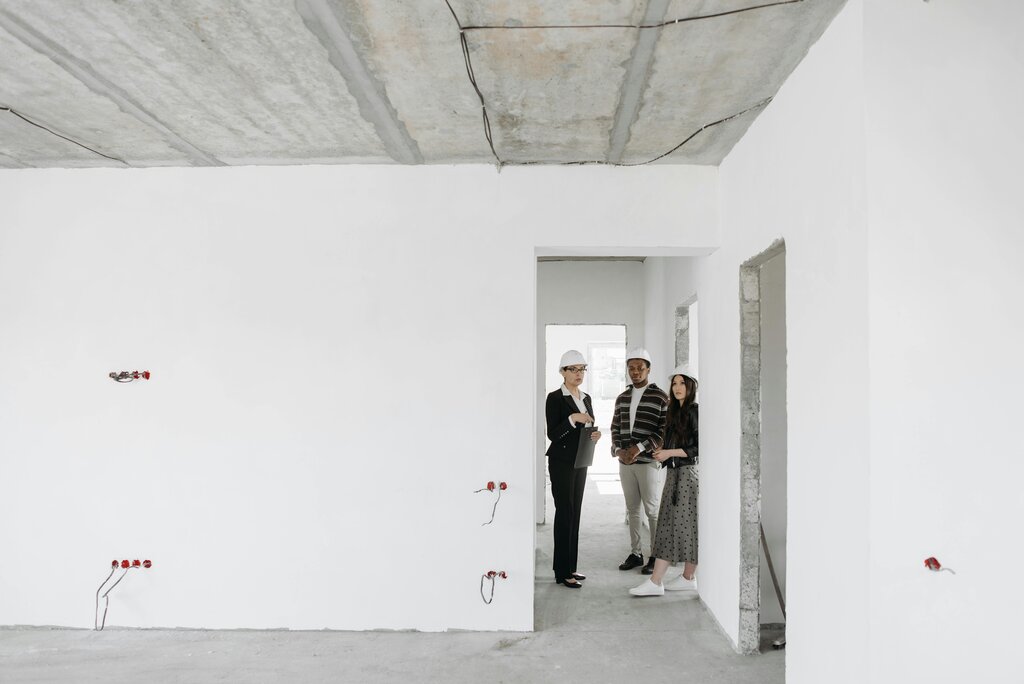
Key stakeholders in a general construction project typically include:
- The Client/Owner: The person or organisation funding the project.
- Architects & Designers: The creative minds who design the structure.
- Engineers: Specialists who ensure the design is safe and functional (structural, mechanical, electrical).
- The Head Contractor: The company responsible for managing the construction work on site.
- Subcontractors & Trades: The skilled workers who perform specific tasks like plumbing, electrical, and carpentry.
- Suppliers: Companies that provide the raw materials and equipment.
- A : The expert responsible for managing all project costs and budgets.
The Project Coordinator doesn't direct these experts, but ensures their work is synchronised. They might schedule meetings between the architect and the structural engineer to resolve a design conflict, or ensure the plumbing subcontractor has the latest plans before they start rough-in. It's a role built on communication and organisation, creating a cohesive team from a diverse group of specialists.
Time to check your understanding of the fundamentals.
What is the primary goal of project coordination in a construction project?
The predictable sequence of phases a construction project follows, from conception to handover, is known as the __________.
With this foundation, you can see how the Project Coordinator is essential. They are the operational glue holding the project's people, plans, and processes together.