Australian Railway Assurance Processes
Introduction to Australian Railways
A Patchwork of Beginnings
Australia's railway story doesn't begin with a single, grand vision. Instead, it starts as a collection of separate tales, one for each of the British colonies. In the mid-19th century, each colony began building its own railway lines. The primary goal was practical: connect ports like Sydney and Melbourne to the resource-rich inland areas, hauling wool, wheat, and minerals to the coast for export.
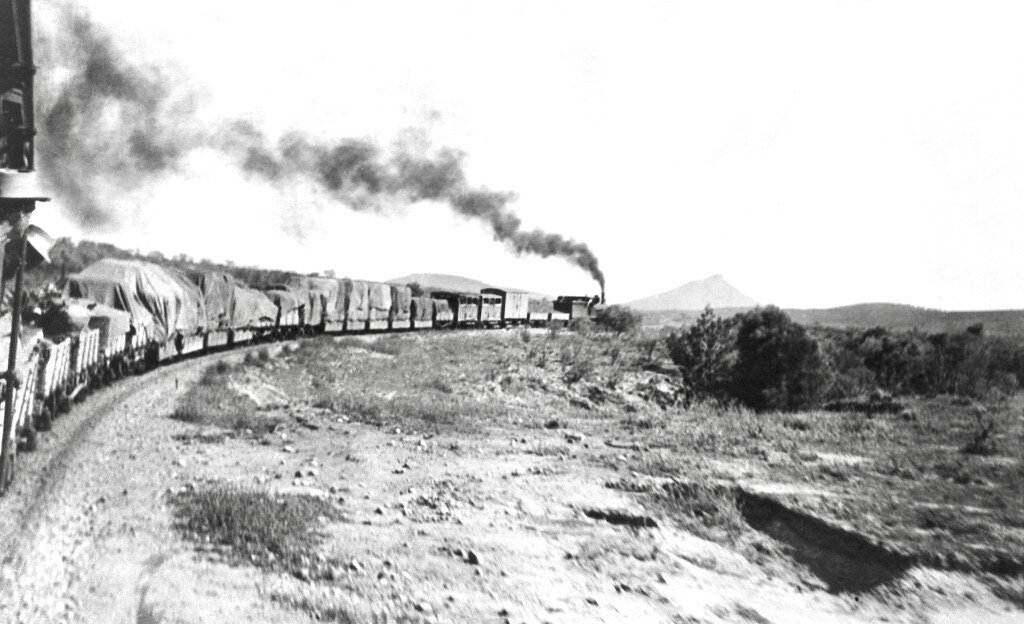
However, this independent approach created a massive, long-lasting problem. With no central authority, each colony chose its own track gauge. New South Wales opted for 'standard gauge,' Victoria and South Australia chose a wider 'broad gauge,' while Queensland and Western Australia went with a 'narrow gauge.' They weren't thinking about a national network; they were solving their own immediate transportation problems.
gauge
noun
The distance between the inner sides of the two parallel rails that make up a single railway line.
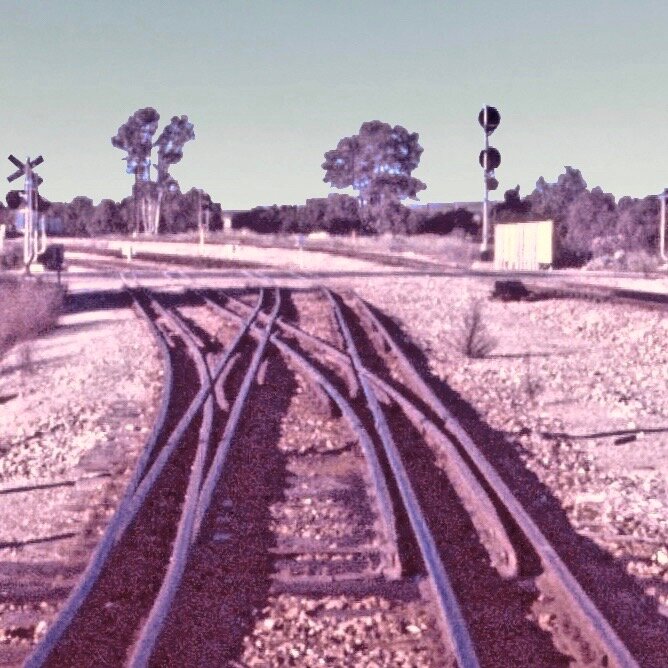
The result was a logistical nightmare. At border towns like Albury, all passengers and goods had to be moved from one train to another. This break-of-gauge issue would plague the Australian railway system for over a century, making interstate travel and commerce slow and inefficient.
Uniting a Continent
After the colonies federated to form the Commonwealth of Australia in 1901, the need for a unified, continent-spanning railway became a national priority. A connected rail network was essential not just for trade, but for defense—moving troops and supplies across the vast, sparsely populated land.
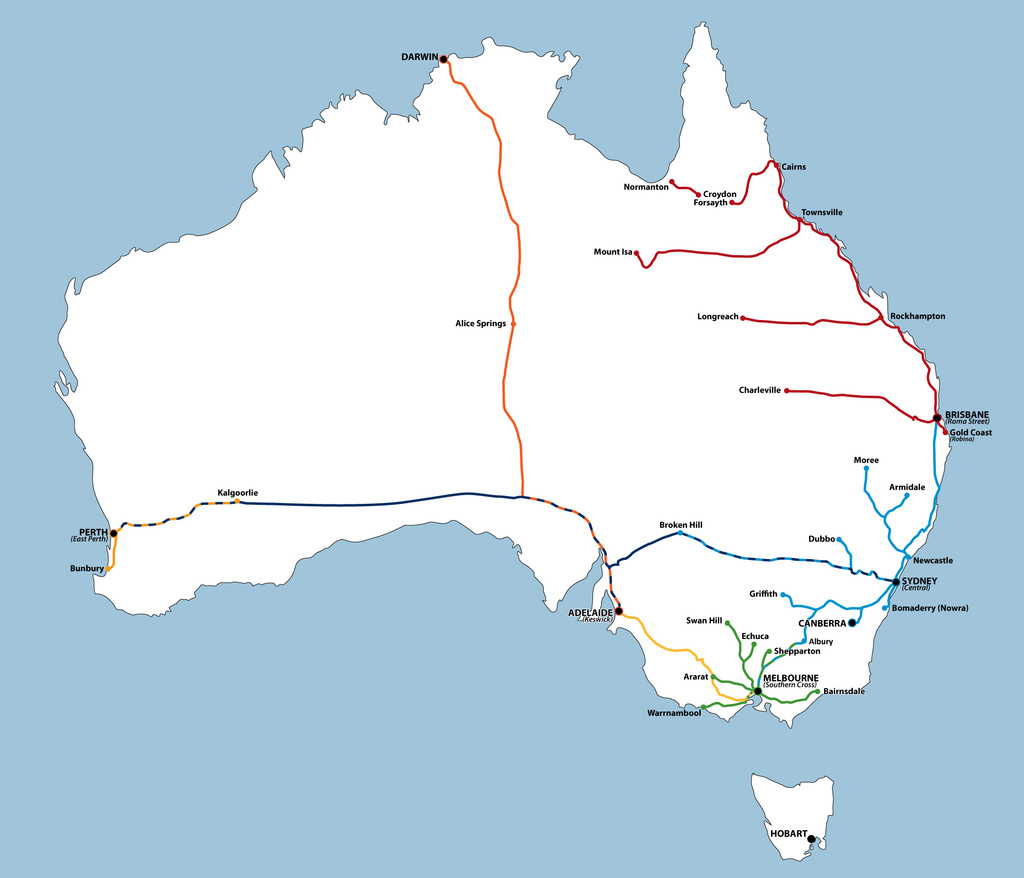
The first major undertaking was the Trans-Australian Railway, an ambitious project to connect Kalgoorlie in Western Australia with Port Augusta in South Australia. Completed in 1917, this 1,693-kilometer line crossed the desolate Nullarbor Plain, physically linking the eastern and western halves of the country for the first time. It was a monumental feat of engineering and a powerful symbol of national unity.
Over the following decades, a slow process of gauge standardisation began, converting key interstate lines to standard gauge to create a more seamless national network.
The Modern Network
Today, Australia's railway network is a complex system that plays a vital role in the economy. It's broadly divided into two main functions: freight and passenger services.
Freight is the dominant player, especially in hauling bulk commodities. Massive trains transport iron ore, coal, and other minerals from mines to ports, forming the backbone of Australia's export industry. Interstate freight trains also carry general goods and containers between capital cities.
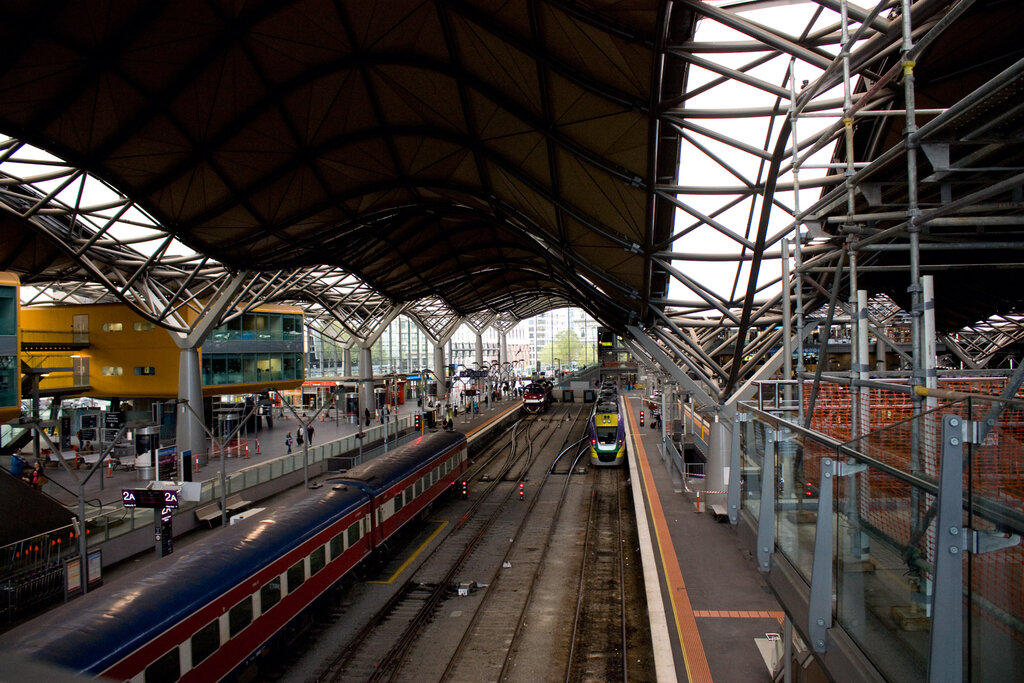
Passenger services are focused on urban and intercity travel. Major cities like Sydney, Melbourne, and Brisbane have extensive commuter networks, while long-distance trains like The Ghan and the Indian Pacific offer iconic cross-country journeys.
The network is managed by a mix of government and private entities. A key distinction is between infrastructure managers and railway operators.
Infrastructure managers own and maintain the physical tracks, signals, and stations. Railway operators run the trains that use this infrastructure. In many cases, the operator pays a fee to the infrastructure manager for access to the tracks.
| Organisation | Primary Role | Type |
|---|---|---|
| ARTC | Infrastructure Manager (Interstate) | Government-owned |
| Aurizon | Operator (Bulk Freight) | Private |
| Sydney Trains | Operator (Urban Passenger) | State Government |
| Arc Infrastructure | Infrastructure Manager (WA) | Private |
This structure separates the management of the 'road' from the 'vehicles,' allowing multiple operators to compete for services on the same lines, particularly in the freight sector.
Let's review some of the key terms we've covered.
Now, check your understanding of Australia's railway system.
What was the primary reason for the 'break-of-gauge' problem in Australia's early railway network?
What was the main purpose of the first railway lines built in the Australian colonies during the mid-19th century?
From its fragmented colonial origins to the integrated national network of today, the Australian railway system has been central to the nation's development, connecting people and industry across immense distances.