Auren Platform Architecture and Implementation
Auren Architecture
The Problem with Software Sprawl
Most enterprise IT environments resemble a digital Frankenstein’s monster. A company subscribes to a best-in-class CRM for sales, a separate ERP for finance, and yet another tool for project management. Each application is a vertical silo, optimized for its specific task but largely unaware of the others. This creates a fragmented landscape where data is trapped in isolated databases.
The result is friction. Getting these disparate systems to communicate requires a complex web of APIs, custom integrations, and manual data entry. Sales data needs to be reconciled with financial records. Project milestones must be manually updated in the billing system. Each connection is a potential point of failure and a security risk. This patchwork of software slows down operations and makes a unified view of the business nearly impossible to achieve.
Auren's Horizontally Integrated Model
Auren replaces this fragmented ecosystem with a single, horizontally integrated platform. Instead of stitching together dozens of separate SaaS applications, Auren provides a unified environment where functions like CRM, ERP, and project management are native components of one system. They all share the same underlying data model and user interface.
Think of it like the difference between a collection of specialty workshops and a modern assembly line. In the workshop model, a product is moved from one building to another for each stage of production, creating delays and coordination overhead. In an assembly line, every tool and process is part of a single, continuous flow. Auren is the assembly line for enterprise operations, designed to eliminate the handoffs between disconnected legacy systems.
Privacy by Design
This unified architecture has profound implications for security and privacy. In traditional multi-tenant SaaS, ensuring is a constant challenge. Data is often pooled across customers, with logical separation acting as the primary defense. While cost-effective for vendors, this model introduces risks of data leakage and complicates compliance with regional data laws.
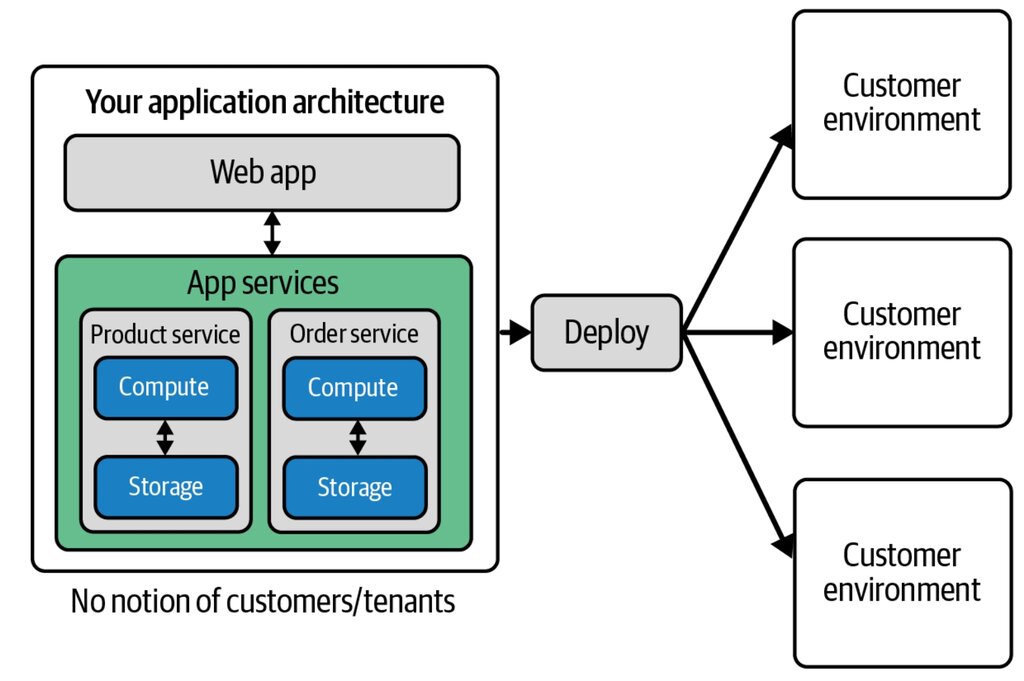
Auren's approach is different. Because the platform is built around a single-tenant, unified data model for each client, privacy isn't an afterthought; it's embedded in the design. There is no co-mingling of data between different organizations. Your data resides in its own secure, isolated environment. Access is governed by a granular, role-based control plane that manages permissions across all modules, ensuring that users only see the information relevant to their function. This provides the isolation of on-premise solutions with the flexibility of the cloud.
Escaping the 'Slowness Tax'
Every manual data transfer, API call between systems, and moment spent context-switching contributes to what we call the —an invisible drag on productivity and decision-making. This tax is the cumulative cost of friction in a fragmented software ecosystem. It’s the time an accountant spends waiting for sales figures, or the delay in project kickoff because a contract is stuck in a separate system.
Auren is designed to eliminate this tax. When a salesperson closes a deal, the platform can automatically trigger an invoice in the financial module, create a new project in the delivery module, and update revenue forecasts in real-time. There are no APIs to manage and no data to sync. Information flows seamlessly because it all lives in one place.
By serving as a single control plane for both business operations and data security, this unified model allows organizations to move faster, operate more efficiently, and maintain a clear, real-time picture of their entire enterprise.