Augmented Reality for Designers
Introduction to Augmented Reality
What Is Augmented Reality?
Augmented Reality (AR) adds a digital layer on top of the physical world. Think of it like a transparent screen between you and your surroundings. Through your phone, tablet, or special glasses, AR technology can place digital objects, text, or graphics into your real-life environment. It doesn't replace your world; it enhances it.
AR lets you see the real world with digital information overlaid on it. The key is that the real world remains the central focus.
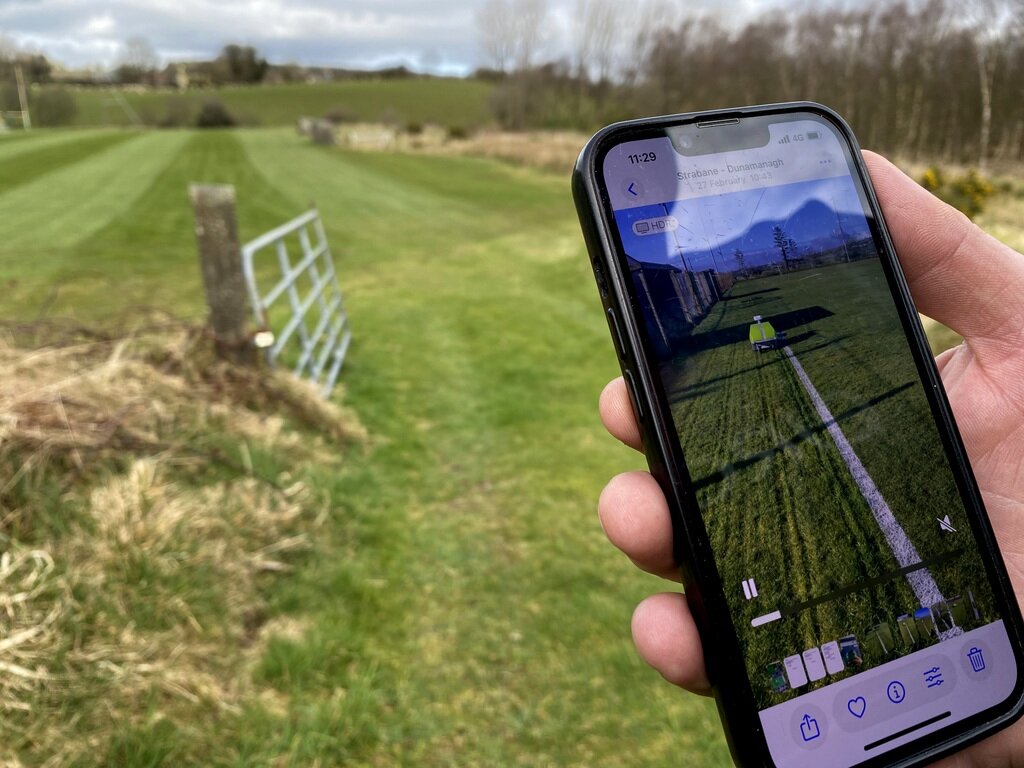
For example, an AR app could let you see how a new sofa would look in your living room before you buy it. You just point your phone's camera at the spot, and a 3D model of the sofa appears on your screen, scaled to fit the room. This blending of digital and physical is the core principle of AR.
AR vs. Virtual Reality
People often confuse Augmented Reality with Virtual Reality (VR), but they are fundamentally different. VR creates a completely artificial, computer-generated world that you can immerse yourself in, usually with a headset that blocks out your surroundings. It replaces your reality. AR, on the other hand, adds to the reality you already see.
| Feature | Augmented Reality (AR) | Virtual Reality (VR) |
|---|---|---|
| Environment | Real world with digital overlays | Fully digital, simulated environment |
| User's View | Sees the real world | Sees only the virtual world |
| Hardware | Smartphones, tablets, smart glasses | Head-mounted displays (Oculus, etc.) |
| Goal | Enhance the real world | Replace the real world |
Imagine you're in an empty room. With AR, you could use your tablet to place virtual furniture in the real room you see through the screen. With VR, you would put on a headset and find yourself in a completely different, digitally rendered room, unable to see the real one around you.
AR in the Design World
For designers, AR is not just a novelty; it's a powerful tool that changes how they create, present, and test their ideas. It bridges the gap between a 2D sketch and a 3D physical object.
Here are a few common applications:
- Product Visualization: Interior designers and furniture makers use AR to let customers preview products in their own homes. This helps clients make decisions with confidence and reduces returns.
- Architectural Walkthroughs: Architects can create AR models of buildings that clients can explore on-site before construction even begins. A client can stand on an empty lot and, holding up a tablet, see a full-scale digital version of the proposed building in front of them.
- Interactive Prototypes: UX/UI designers can use AR to create interactive prototypes that feel more real than a screen mock-up. Users can interact with digital interfaces overlaid on physical objects, providing more realistic feedback.
- Instructional Overlays: Industrial designers can create AR guides that show users how to assemble or repair a product. The instructions appear as animated overlays on the actual object, making complex tasks much simpler.
Benefits for Designers
Integrating AR into a design workflow offers significant advantages. It allows for a more intuitive and immersive way to communicate design intent. Instead of trying to imagine what a blueprint or a 2D rendering will look like in real life, stakeholders can see it directly.
This technology helps catch design flaws earlier in the process. When a digital model is viewed at a 1:1 scale in its intended environment, issues with size, fit, or aesthetics become immediately obvious. This can save huge amounts of time and money.
Finally, AR creates more engaging and memorable experiences for users and clients. A design presented through an interactive AR experience is far more impactful than one presented on a static screen.
Time to review what you've learned.
Now, let's test your understanding with a few questions.
What is the primary function of Augmented Reality (AR)?
Which statement best describes the key difference between Augmented Reality (AR) and Virtual Reality (VR)?
By understanding these fundamentals, you can start to see how AR can be a transformative tool in your own design process.