Augmented Reality Explained
Introduction to Augmented Reality
More Than Meets the Eye
Augmented Reality, or AR, overlays digital information onto our physical world. It doesn't transport you to a new place. Instead, it adds layers to the reality you already see, hear, and feel. Think of it like a transparent screen between you and the world, displaying helpful graphics, sounds, and text.
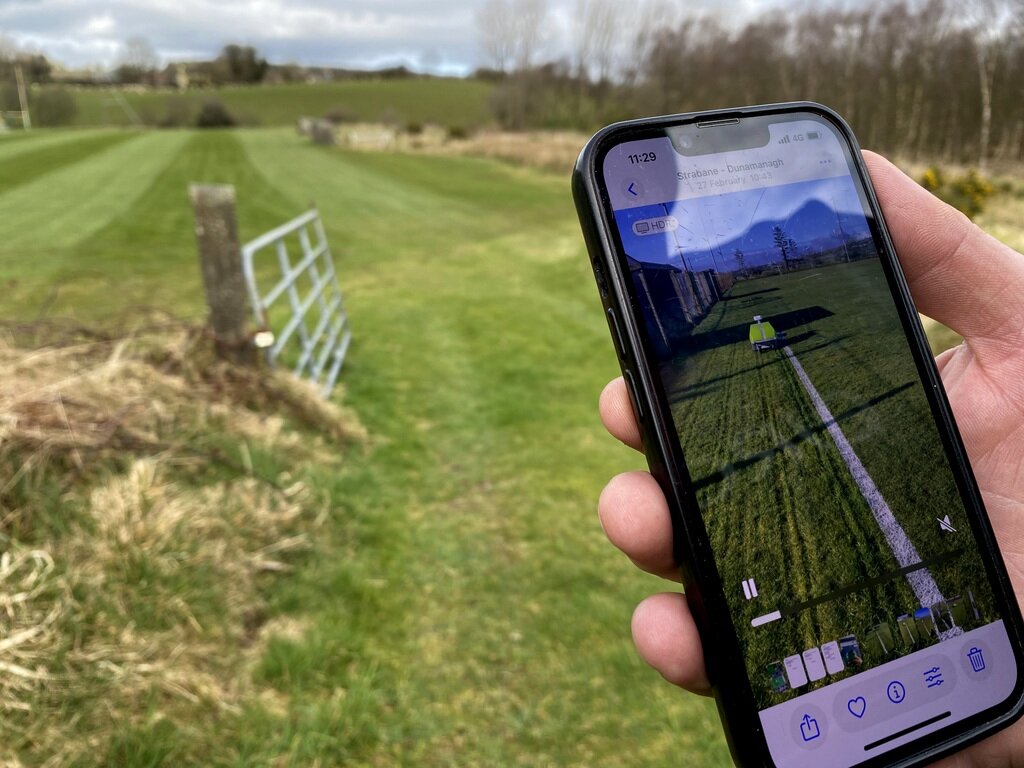
When you use an AR app on your phone to see how a new couch would look in your living room, you're experiencing this blend of digital and physical. The app uses your camera to see your room and then places a 3D model of the couch into that live view. It's your room, but enhanced.
AR adds to your reality, it doesn't replace it. It enriches your view of the real world with digital content.
AR vs. VR
People often confuse Augmented Reality with Virtual Reality (VR), but they are fundamentally different. While AR enhances the real world, VR creates an entirely artificial one. When you put on a VR headset, you're completely immersed in a digital environment, shutting out the physical world around you.
| Feature | Augmented Reality (AR) | Virtual Reality (VR) |
|---|---|---|
| Environment | Real world, enhanced | Fully digital |
| User's View | Sees real world with digital overlays | Sees only the virtual world |
| Equipment | Smartphone, smart glasses | Headset that blocks vision |
| Goal | Integrate digital info with reality | Immerse user in a new reality |
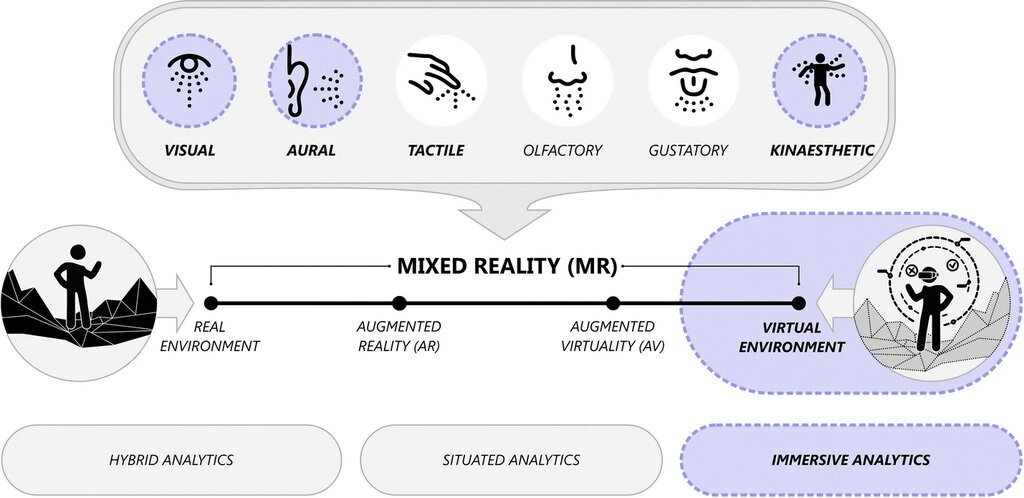
A good way to visualize this is as a spectrum. On one end, you have the completely real environment. On the other, you have a completely virtual one. AR sits closer to the real end of the spectrum, while VR occupies the far virtual end.
A Quick History
The ideas behind AR have been around for decades. In 1968, a computer scientist named Ivan Sutherland created the first head-mounted display system, nicknamed "The Sword of Damocles." It was a heavy device suspended from the ceiling that displayed simple wireframe graphics, giving the user a glimpse into how digital information could be overlaid onto the real world. It was a groundbreaking, if impractical, first step.
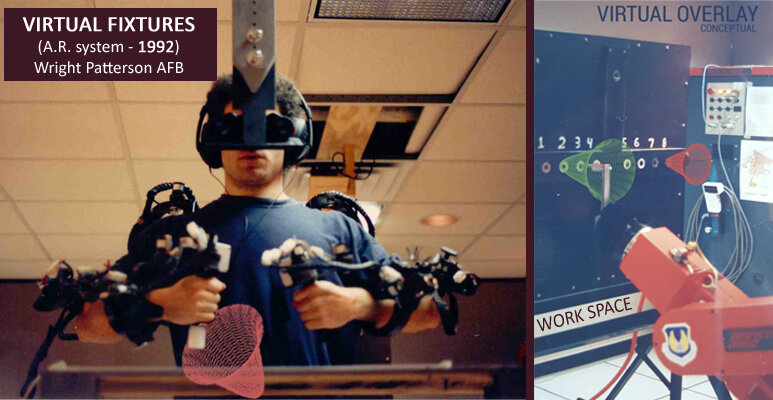
Throughout the 1990s, research continued, largely in labs and for specialized industrial purposes. One notable project was the "Virtual Fixtures" system developed for the U.S. Air Force. This system allowed a user to interact with virtual objects overlaid on a real workspace, showing the potential for AR in training and complex tasks.
The real turning point for AR came with the rise of the smartphone. Powerful processors, high-quality cameras, and advanced sensors made AR accessible to millions. What was once confined to research labs became an app you could download, paving the way for the technology we see today.
Ready to check your understanding?
What is the primary function of Augmented Reality (AR)?
On a spectrum from a completely real environment to a completely virtual one, where does AR sit?
Now you know what separates augmented reality from virtual reality and how this technology has evolved over time.