Auditing ISO Management Systems
Audit Principles
The Bedrock of a Good Audit
An audit isn't just about checking boxes. It's a professional process that relies on a set of core principles to be effective and trustworthy. These principles ensure that an audit is more than just an opinion—it's a reliable assessment. Let's walk through the seven principles that every auditor lives by.
Integrity
noun
The foundation of professionalism. Auditors must be honest, diligent, and responsible in their work. They perform their duties ethically and can be trusted to do the right thing, even when no one is watching.
Integrity means you can rely on the auditor's work. They aren’t swayed by influence and are committed to upholding professional standards.
Fair Presentation: This principle obligates auditors to report truthfully and accurately. Audit findings, conclusions, and reports must reflect the audit activities without bias. Any significant obstacles encountered during the audit should also be reported.
Think of it like a news report. The goal is to present the facts as they are, not as someone wishes they were. This ensures that the people reading the audit report get a clear and honest picture of the situation.
Professionalism and Objectivity
Beyond being honest, an auditor must be skilled and impartial. Two key principles govern this: due professional care and independence.
Due Professional Care: Auditors must apply diligence, care, and sound judgment in their work. They need to be competent and thorough, just like any other skilled professional. This means staying up-to-date with auditing standards and practices.
The next principle, confidentiality, is critical for building trust. Auditors often handle sensitive information. They have a professional responsibility to protect it.
Confidentiality: Information gathered during an audit must not be used inappropriately for personal gain or in a way that harms the organization being audited. This discretion is a cornerstone of the auditor-auditee relationship.
Finally, an auditor must be independent. This means they are free from bias and conflicts of interest. Their judgment cannot be influenced by their relationship with the organization or its employees.
A Practical Approach
The last two principles guide how an audit is actually conducted. They ensure the process is logical and efficient.
Evidence-Based Approach: Audit conclusions must be based on verifiable evidence. An auditor can't rely on feelings or hearsay. They collect, analyze, and document evidence to support their findings. This makes the audit process rational and its conclusions reliable.
This means that if an auditor reports a nonconformity, they can point to the specific evidence—a document, a record, or an observation—that proves it.
The final principle is the risk-based approach. In a complex organization, you can't check everything. This principle helps auditors focus their attention where it's needed most.
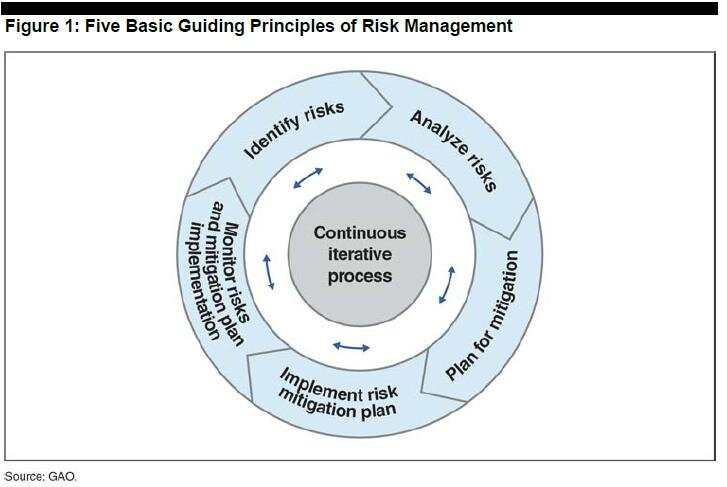
By considering risks and opportunities, the audit becomes a more valuable tool. It helps the organization not only to conform to standards but also to improve its performance by managing what matters most.
These seven principles work together to make auditing a powerful tool for any organization. Now, let's review these key concepts.
Time to check your understanding.
An auditor ensures their findings are backed by verifiable documents and observations. Which principle are they applying?
To ensure an audit is efficient and effective, auditors focus their efforts on areas with the highest potential for problems. This is known as the ___________.
By internalizing these principles, an auditor ensures that their work is not only compliant but also genuinely useful, providing real value to the organization.