Auditing AI Systems
Introduction to AI Auditing
Checking the System's Work
Imagine a self-driving car making a split-second decision or a bank's algorithm deciding who gets a loan. We need to trust that these artificial intelligence systems are making the right calls. But how can we be sure?
That's where an AI audit comes in. It's like a quality check for algorithms. Just as a financial audit examines a company's books for accuracy, an AI audit inspects an AI system to make sure it's fair, reliable, and working as intended.
AI Audit
noun
A systematic evaluation of an artificial intelligence system to ensure it operates fairly, transparently, and accountably, while meeting its intended purpose and adhering to ethical standards.
The main objective of an audit is to build and maintain trust. By examining an AI's data, algorithms, and outcomes, auditors can verify that the system is safe, effective, and aligned with ethical principles. It's a proactive way to catch problems before they cause real-world harm.
The Pillars of Trustworthy AI
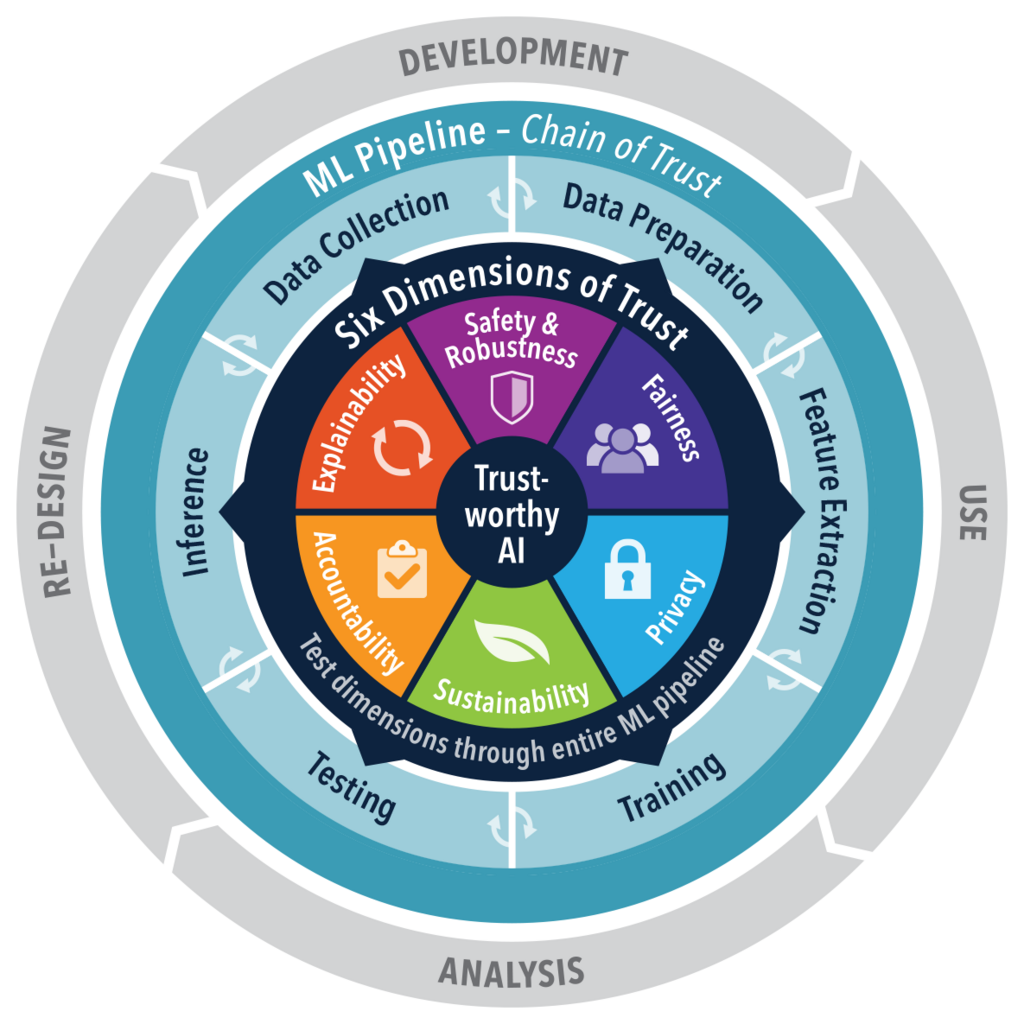
AI audits are built around a few core principles. These aren't just technical benchmarks; they're the foundation for creating AI that we can rely on. The three most critical pillars are fairness, accountability, and transparency.
Fairness: An AI system should not produce biased or discriminatory outcomes. It must treat individuals and groups equitably, regardless of their background.
This means ensuring that an algorithm used for mortgage approvals, for example, doesn't unfairly penalize applicants based on their race or gender.
Accountability: There must be clear responsibility for an AI system's actions. If something goes wrong, we need to know who is answerable for fixing it and addressing any harm caused.
Accountability ensures that developers, deployers, and operators of AI can't just say, "the computer did it." Humans remain in the loop and are ultimately responsible.
Transparency: The decisions made by an AI system should be understandable. We should be able to look inside the "black box" and see how and why a system reached a particular conclusion.
This is crucial for debugging, challenging incorrect decisions, and building public confidence. These principles work together to create a robust framework for trustworthy AI.
The Risks of Unchecked AI
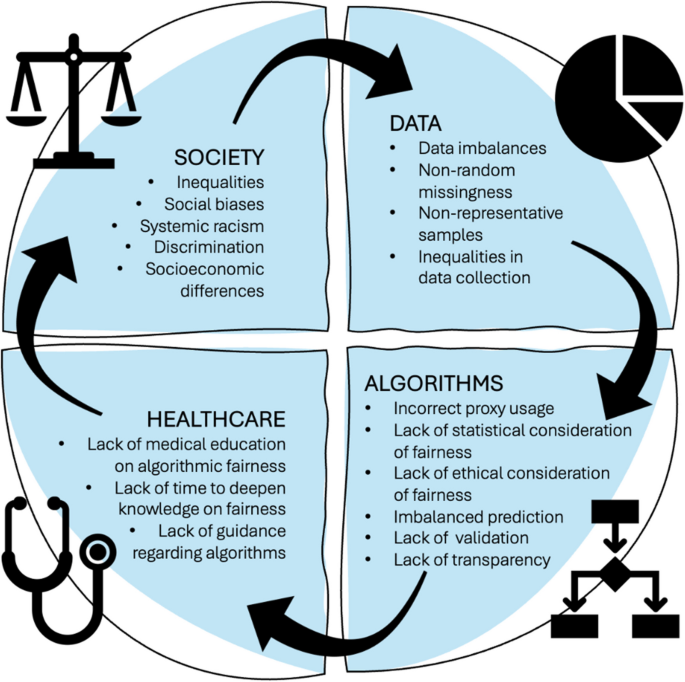
Without regular audits, AI systems can create significant problems. Since AI learns from data, it can inadvertently learn and amplify the biases present in that data. This can lead to serious negative consequences.
Imagine an AI tool designed to help companies screen job applicants. If the historical hiring data it was trained on shows a pattern of favoring male candidates for engineering roles, the AI might learn to automatically downgrade qualified female applicants. This isn't just unfair; it's discriminatory and can lead to legal and reputational damage for the company.
Other risks include:
- Lack of Explainability: If a doctor uses an AI to help diagnose a disease, they need to know why the AI is making its recommendation. A non-transparent system that just gives an answer without reasoning is unreliable and potentially dangerous.
- Privacy Violations: AI systems often process vast amounts of personal data. Without proper oversight, this data could be misused or exposed, violating people's privacy.
- Erosion of Trust: When AI systems are shown to be biased or make high-profile mistakes, public trust in the technology can be damaged, slowing down the adoption of genuinely beneficial innovations.
Auditing helps identify these risks early, allowing organizations to fix issues before they become major failures.
The Ethical Dimension
Ultimately, AI auditing is an ethical practice. It’s about ensuring that the technology we create serves humanity in a just and responsible way. The goal is to align AI systems with our core societal values.
As the deployment of artificial intelligence (AI) is changing many fields and industries, there are concerns about AI systems making decisions and recommendations without adequately considering various ethical aspects, such as accountability, reliability, transparency, explainability, contestability, privacy, and fairness.
Ethical considerations push us to ask important questions during an audit. Does the system respect user autonomy? Does it promote well-being? Is it designed to be inclusive of people with disabilities? By placing ethics at the center of the auditing process, we can guide the development of AI toward more beneficial outcomes for everyone.
Let's review these foundational concepts.
What is the primary function of an AI audit?
A company uses an AI to screen job applicants. The AI was trained on historical data that shows a preference for male candidates in technical roles. What is the most likely risk if this AI system is not audited?
By understanding the what, why, and how of AI audits, we can better navigate the complexities of an increasingly automated world.