Audi High-Pressure Fuel Systems Explained
Introduction to Fuel Systems
The Engine's Lifeline
An engine needs three things to run: air, fuel, and a spark. The fuel system's job is to handle the fuel part of that equation. Think of it as the car's circulatory system. It moves gasoline from the storage tank to the engine, delivering it precisely when and where it's needed for combustion.
At its core, the goal is simple: mix the right amount of fuel with the right amount of air, get it into a cylinder, and ignite it. How an automaker achieves this has a massive impact on performance, fuel economy, and emissions. Over the years, the methods for delivering that fuel have gotten much more sophisticated.
The Old Way
For decades, most cars used what's called a low-pressure fuel system. The setup was straightforward and reliable. A fuel pump, either inside the tank or attached to the engine, would push gasoline through fuel lines and a filter.
This fuel was delivered at a relatively low pressure, typically around 40-60 PSI, to a device that mixed it with air before it entered the engine's cylinders. In older cars, this was a carburetor. In cars from the 80s and 90s, this evolved into a system called throttle body or port fuel injection, which sprayed fuel into the air intake right before it entered the cylinder.
This system worked well, but it wasn't very precise. Since the fuel and air were mixed outside the cylinder, some fuel droplets would stick to the walls of the intake port, leading to wasted fuel and less efficient combustion.
A Smarter Approach
As emissions regulations tightened and the demand for better fuel economy grew, engineers needed a more efficient method. The solution was Gasoline Direct Injection, or GDI.
Instead of mixing fuel and air in the intake, a GDI system injects a highly pressurized, fine mist of gasoline directly into the engine's combustion chamber. This requires much higher pressures, often exceeding 2,000 PSI. Why so high? At that pressure, the fuel atomizes, meaning it breaks into incredibly tiny droplets. This fine spray mixes with air more thoroughly and burns much more quickly and completely.
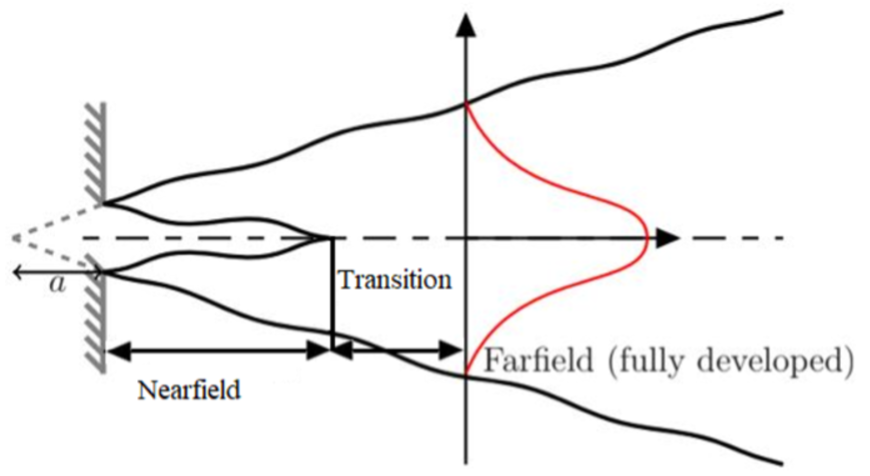
To achieve this, modern systems add a second fuel pump. A low-pressure pump still brings fuel from the tank, but it feeds a high-pressure pump that is typically driven by the engine's camshaft. This high-pressure pump is the key component that enables direct injection.
Why Higher Pressure is Better
The move to high-pressure direct injection offers significant advantages that have made it the standard in most new vehicles.
| Benefit | Why it Happens |
|---|---|
| Better Fuel Economy | Injecting fuel directly into the cylinder means none is wasted sticking to intake walls. The engine's computer can precisely control the amount of fuel for each combustion event, using only what's necessary. |
| More Power | The fine mist of atomized fuel burns more efficiently and completely, creating a stronger power stroke. This allows engineers to get more power from smaller engines. |
| Lower Emissions | A more complete burn means fewer unburnt hydrocarbons and other pollutants are sent out the exhaust pipe. |
| Cooler Operation | As the high-pressure fuel is sprayed into the hot cylinder, it evaporates instantly. This has a cooling effect on the air and fuel mixture, which helps prevent engine knock and allows for higher compression ratios, further boosting efficiency. |
Understanding this evolution from simple, low-pressure delivery to complex, high-pressure injection is the first step in appreciating how modern engines work so efficiently.
Ready to check your understanding?
What is the primary advantage of a Gasoline Direct Injection (GDI) system compared to older, low-pressure fuel systems?
In a GDI system, the extremely high pressure is necessary to ________ the fuel, which means breaking it into a fine mist for more efficient combustion.