Attachment Unknown
Understanding Course Design
Designing a Learning Journey
A great course is more than a collection of topics. It’s a carefully planned journey. Just as an architect needs a blueprint before laying a foundation, an educator needs a design before building a course. The goal is to create a clear, logical path that guides learners from where they are to where they need to be.
The core principle of course design is alignment. Every piece of the course—the goals, the activities, and the tests—should connect and support each other. When everything is aligned, learners aren't just memorizing facts; they're building real understanding and skills.
Create clear course goals, learning objectives, and assessment instructions to guide students through the learning process.
Start with the Destination
It's tempting to start planning a course by asking, “What will I teach?” But a more powerful approach is to ask, “What will my students be able to do at the end?” This is the idea behind backward design.
Think of it like planning a trip. You don't start by just driving. You pick your destination first, and only then do you map out the best route to get there. Backward design applies this same logic to learning.
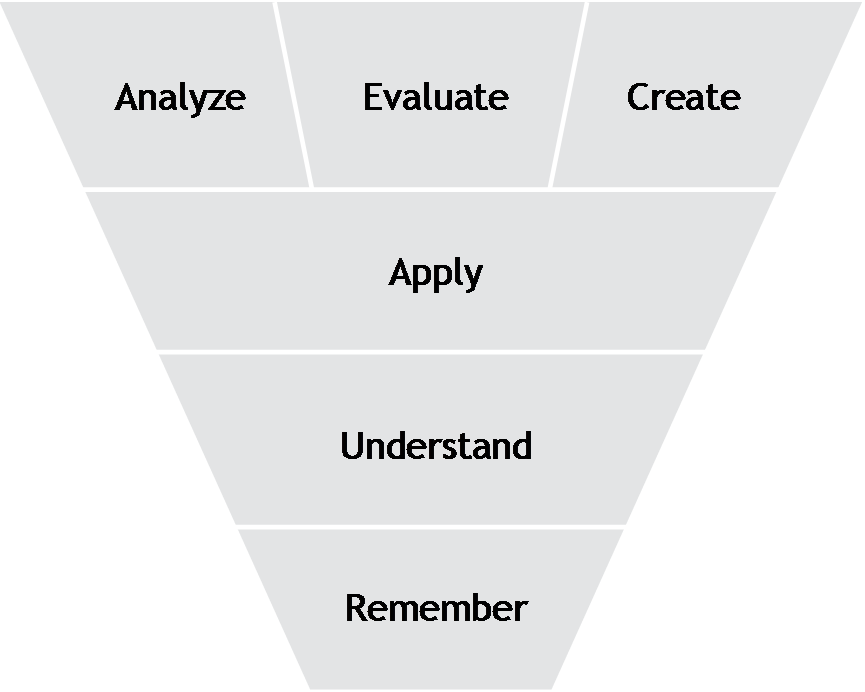
This method has three main steps:
- Identify Desired Results. First, define what students should know, understand, and be able to do. These are your learning objectives. They should be specific and action-oriented.
- Determine Acceptable Evidence. Next, figure out how you'll know if students have reached those objectives. This is your assessment. What will learners do or create to demonstrate their understanding?
- Plan Learning Experiences. Finally, design the activities, lessons, and content that will help students succeed on the assessment and achieve the objectives. This is where you plan the day-to-day instruction.
Backward Design begins with the end in mind.
By starting with the end goal, you ensure that all your instructional choices are purposeful. Every activity, reading, and discussion has a clear reason for being there: to help students reach the destination.
Connecting the Dots
Once you have your objectives and assessments, how do you make sure they all fit together across the entire course? That's where curriculum mapping comes in.
A curriculum map is a visual chart of your course. It helps you see the entire learning journey at a glance, showing how each component connects. It's like laying out your road trip map to see all the stops and make sure the route makes sense.
Mapping helps you check for consistency and coherence. Are you assessing what you're actually teaching? Do the activities build on each other logically? Are there any gaps in the content, or topics that are repeated unnecessarily? A map makes the answers to these questions visible, allowing you to fine-tune the course structure.
Ultimately, good course design is about being intentional. By using backward design and curriculum mapping, you can create a focused, effective, and engaging experience that truly helps learners grow.