Atomic Structure Unveiled
Introduction to Atomic Theory
The First Atoms
The idea of the atom isn't new. Over two thousand years ago, the Greek philosopher Democritus wondered what would happen if you kept cutting a piece of matter in half. Eventually, he reasoned, you'd reach a particle so tiny it couldn't be cut anymore. He called this final, indivisible piece atomos, which means "uncuttable."
For centuries, this was just a philosophical guess. Most thinkers, like Aristotle, preferred the idea that all matter was made of four elements: earth, air, fire, and water. The concept of atoms was mostly forgotten, a curious footnote in the history of thought.
Dalton's Breakthrough
Fast forward to the early 1800s. An English schoolteacher named John Dalton revived the idea of the atom, but with a crucial difference. Unlike the Greeks, Dalton based his theory on experimental evidence from chemistry. He noticed that elements always combined in fixed ratios to form compounds, and he developed a theory to explain why.
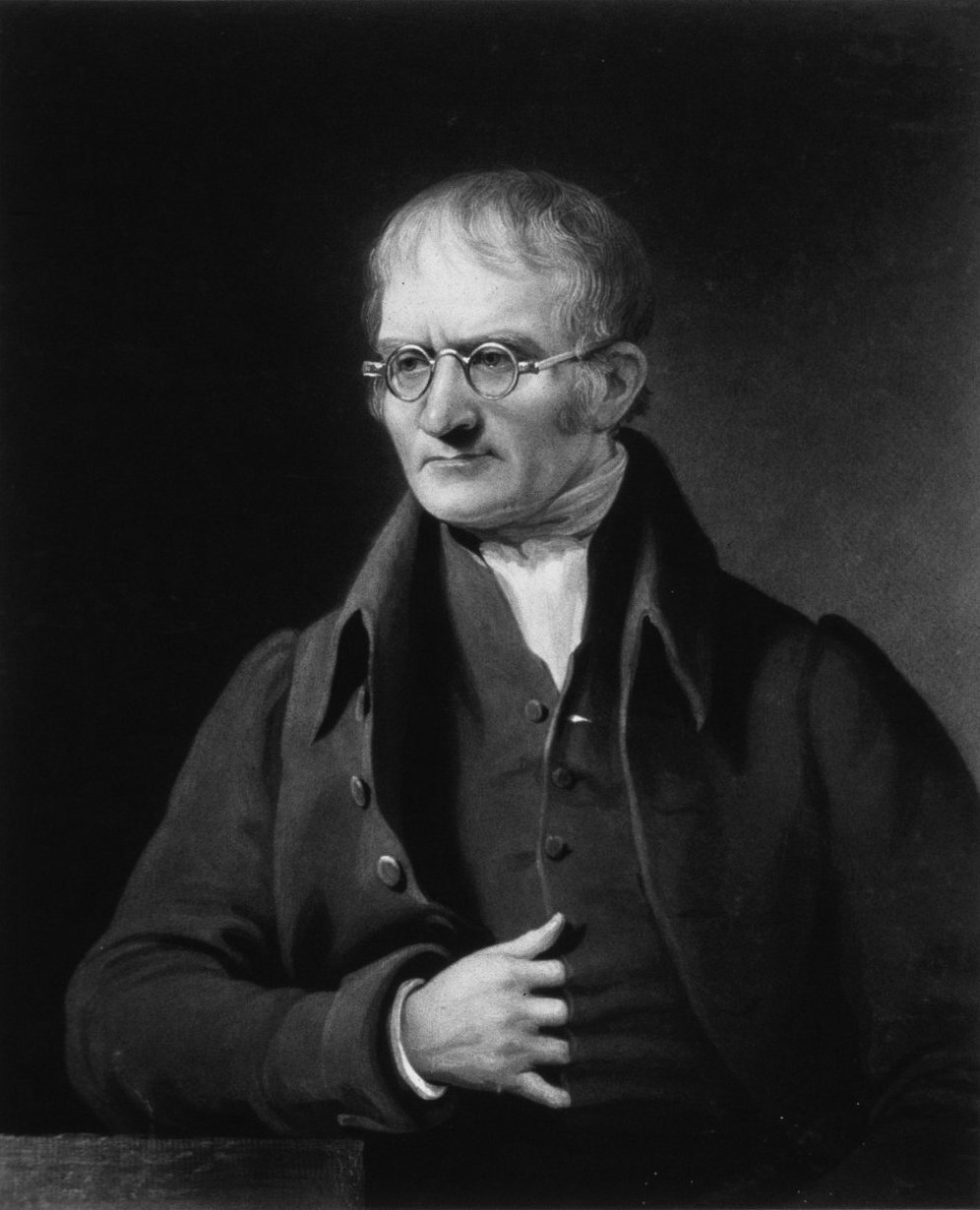
Dalton's atomic theory had a few key points:
- All matter is made of tiny, indivisible particles called atoms.
- All atoms of a specific element are identical in mass and properties.
- Compounds are formed when atoms of different elements combine in simple, whole-number ratios.
- Chemical reactions are just the rearrangement of atoms. Atoms are not created or destroyed.
In essence, Dalton proposed that everything in the world was built from a set of fundamental, unchangeable particles, like a massive cosmic LEGO set.
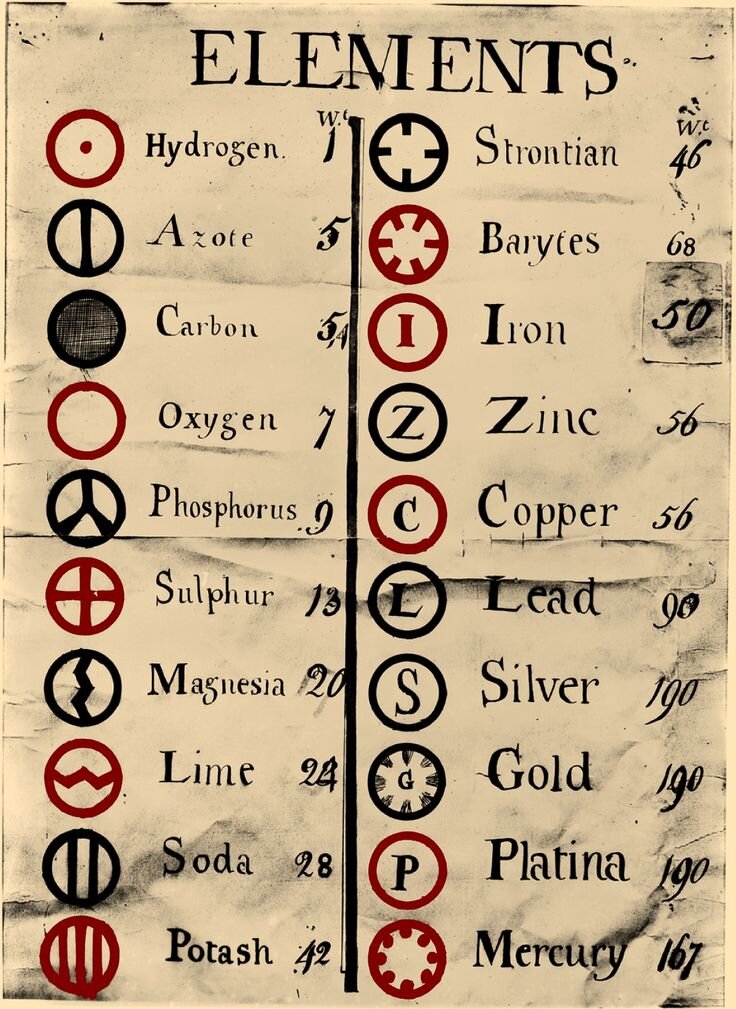
This was a revolutionary idea. It provided a powerful framework for understanding chemical reactions and the properties of different substances. For the first time, chemistry had a solid theoretical foundation that could be tested and used to make predictions. Dalton's work marked the true beginning of modern chemistry.
Cracks in the Theory
Dalton's theory was brilliant, but it wasn't perfect. As scientists conducted more experiments, they found evidence that challenged one of its core ideas: that atoms are indivisible.
Toward the end of the 19th century, experiments with electricity and gases began to hint that atoms had an internal structure. It seemed the atomos was not so "uncuttable" after all. Scientists discovered that atoms themselves are made of even smaller, more fundamental pieces.
These discoveries led to the concept of subatomic particles. The atom was no longer the end of the line. Instead, it was the gateway to a whole new, smaller world within.
What was the central idea of the ancient Greek philosopher Democritus's concept of the atomos?
What was the primary difference between John Dalton's atomic theory and the ancient Greek idea of atoms?
This realization that atoms have parts set the stage for a complete reimagining of what matter is and how it behaves.